Zwergenfee 09® – raspberry-red dwarf mini rose
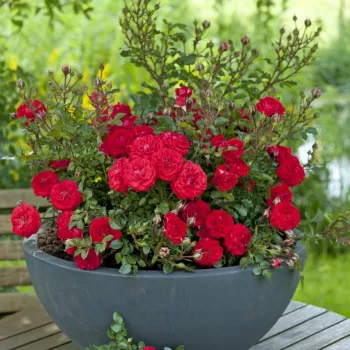
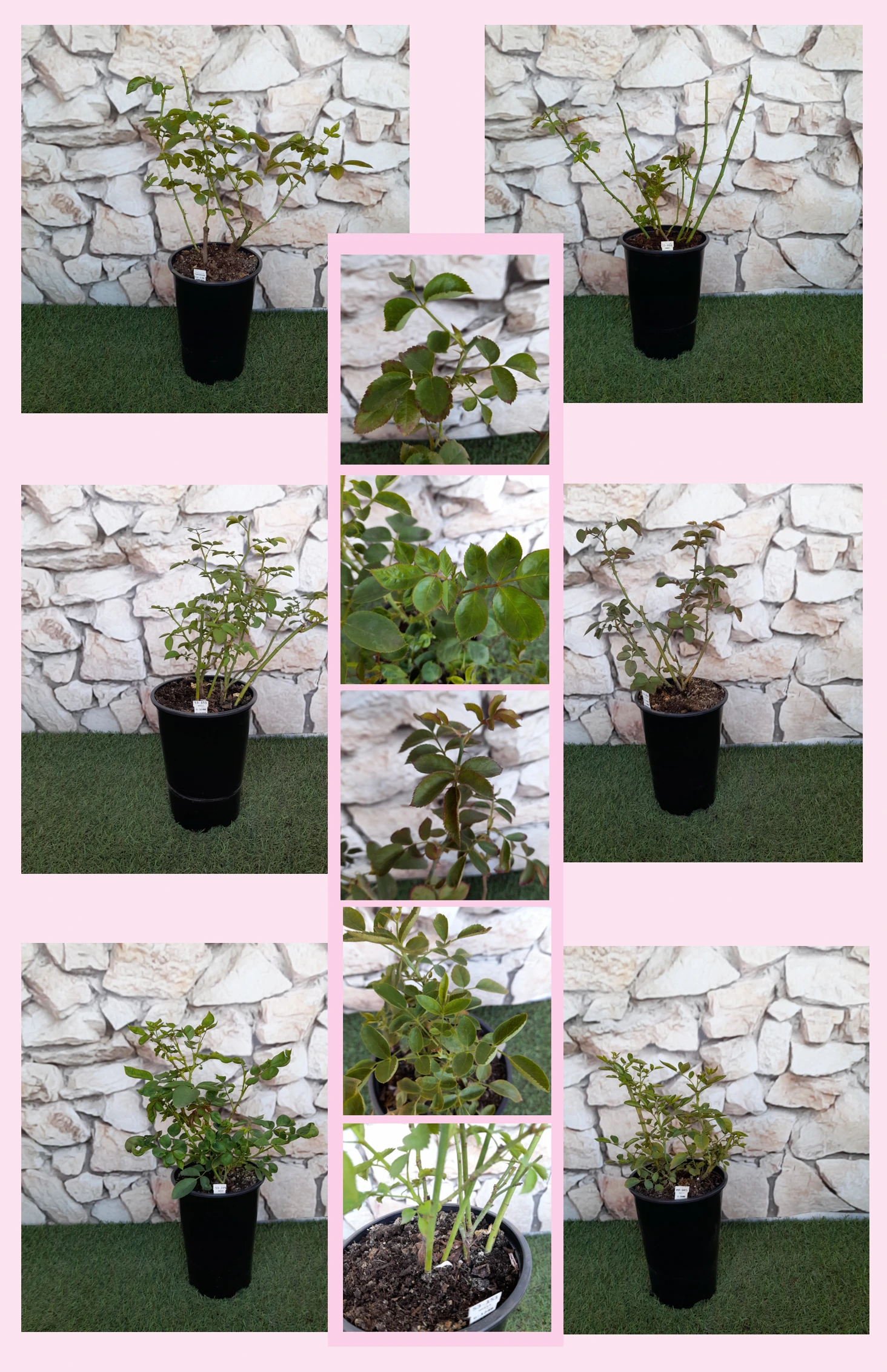
Zwergenfee 09® brings cheerful colour and compact cottage charm to small Irish gardens, thriving even in damp air and frequent rain with excellent health and reliable repeat bloom. This ADR‑certified miniature forms a neat, bushy shape that works beautifully in front gardens, low borders and pots, needing only minimal maintenance to stay tidy. As an own‑root rose, it establishes steadily for a long, dependable life, while in the first three years it naturally moves from building roots, to filling out its shoots, to showing its full impact, giving you durable, low‑effort colour in everyday family spaces.
Usage options
| Target area |
Reasoning |
| Small front garden or Dublin terrace |
The compact, bushy habit and modest 35–45 cm height make this rose ideal for tight front gardens, edging paths or framing steps without overwhelming the space, perfect for low‑maintenance kerb appeal for the busy urban owner |
| Cottage-style border in a family garden |
Clusters of raspberry-red flowers repeat steadily, softening paths and mixed borders with an informal, cottage feel while staying dense and upright, so children and pets can pass without snagging on tall, sprawling branches for the relaxed family gardener |
| Low flowering hedge or path edging |
Recommended planting distances allow you to create a neat, low line of colour that knits together quickly; moderate self‑cleaning means only light deadheading keeps it blooming through the season for the practical home planner |
| Container or patio pot (40–50 litre minimum) |
The dwarf stature and dense foliage suit large containers, where its roots remain stable and non‑grafted, giving a long‑lived plant that can be shifted around patios or balconies as your outdoor layout changes for the flexible space user |
| Low-care, easy-going planting schemes |
Bred for toughness and ADR‑certified, it copes well with Irish humidity and rain, so there is little spraying or special treatment; routine watering in dry spells and a yearly mulch are usually enough for the time-poor beginner |
| Pollinator-friendly mixed bed |
Semi-double, open blooms expose pollen readily, so bees and other visitors can feed between showers, and the repeated flowering ensures resources over much of the season in a compact footprint for the nature-minded buyer |
| Long-term, stable planting in family gardens |
As an own-root shrub it can regenerate from its base if cut back hard or damaged, offering a naturally long lifespan and consistent colour without the worry of suckers reverting from understock for the future-focused gardener |
| Urban and roadside plantings |
Its proven tolerance of urban conditions and resilient foliage keep it looking fresh beside driveways or pavements, with good disease resistance supporting tidy greenery even where air movement is restricted for the city-based homeowner |
Styling ideas
- Cottage-Edge Charm – Plant along a path with Campanula persicifolia and a light mulch, creating a soft, girly border that flowers through the season – ideal for romantic front-garden owners
- Patio Jewel – Grow three plants in a 50-litre terracotta pot, underplanted with low herbs, to provide long-lasting colour on a sunny patio – perfect for balcony and small-terrace dwellers
- Raspberry Ribbon – Use as a short hedge beside steps or driveways, repeating plants at recommended spacing for a precise but playful red line – suited to neat, design-conscious households
- Bee-Friendly Mix – Combine with Liatris spicata 'Alba' and airy grasses to offer nectar and movement, keeping the bed light yet wildlife-friendly – great for pollinator-focused gardeners
- Urban Pocket Garden – Slot groups of three into a small clay bed with good drainage, adding a light-coloured gravel mulch for easy care and year-round structure – for busy city families
Technical cultivar profile
| Characteristic |
Data |
| Name and registration |
Miniature dwarf shrub rose, registered as KORzweenu; marketed as Zwergenfee 09® within the Lilliputs® collection, a compact patio type suited to containers, front borders and small, decorative garden spaces. |
| Origin and breeding |
Bred by W. Kordes & Sons in Germany, introduced to the market in 2009; parentage is unrecorded, selected for compact growth, colourful repeat flowering and robust, low-maintenance performance in everyday gardens. |
| Awards and recognition |
ADR certified; Bronze Medal at Japan Rose Concours Tokyo 2009, Best Patio Rose Belfast 2012, Gold Medal Glasgow 2013, and Silver Medal at Australian National Rose Trials 2013, reflecting strong, all-round garden merit. |
| Growth and structural characteristics |
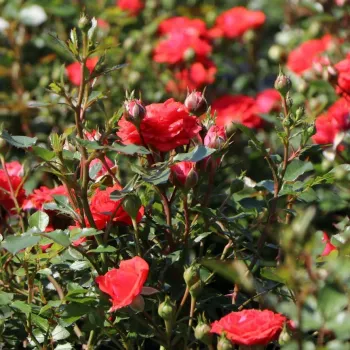
Bushy, upright, dwarf shrub reaching about 35–45 cm in height and 30–40 cm spread; moderately thorny shoots carry dense, glossy dark-green foliage, forming a compact, tidy mound ideal for edging or container use. |
| Flower morphology |
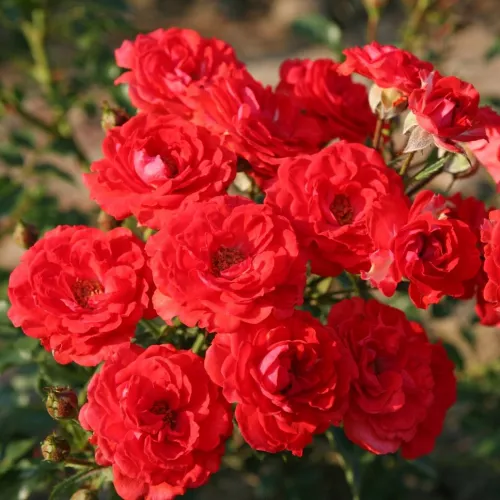
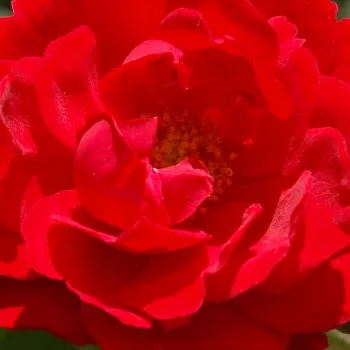
Semi-double, cupped blooms with roughly 13–25 petals, usually borne in clusters; small flowers about 1–4 cm across, opening freely over the plant’s surface to provide good colour coverage and accessible stamens. |
| Colour data and phenology |
Bright raspberry-red with a slight orange-red undertone; outer petals RHS Red 45B, inner 45C, lightening as blooms age to softer rose-red tones, yet retaining a clear effect; colour holds well with gradual, attractive fading. |
| Fragrance and aroma |
No noticeable fragrance; grown primarily for its vivid colour and compact form rather than scent, though the semi-double blooms and visible stamens still create visual interest and some wildlife value within mixed plantings. |
| Hip characteristics |
Produces moderate numbers of small, spherical hips about 7–9 mm across, turning orange-red as they mature; decorative in close view and a minor wildlife resource once the main flowering display has finished. |
| Resistance and winter hardiness |
Rated hardy to around −26 to −23 °C (USDA 5b, RHS H7); good resistance to powdery mildew and rust, moderate against black spot, with foliage staying presentable under humid, rainy conditions typical of many Irish gardens. |
| Horticultural recommendations |
Best in full sun with well-drained, fertile soil; space 25–50 cm depending on use. Water during extended dry spells, deadhead lightly to encourage repeats, and mulch annually to support steady, own-root growth and flowering. |
Zwergenfee 09® offers compact repeat flowering, pollinator-friendly semi-double blooms and durable own-root growth in small Irish gardens, making it a thoughtful choice for low-effort, long-term colour.