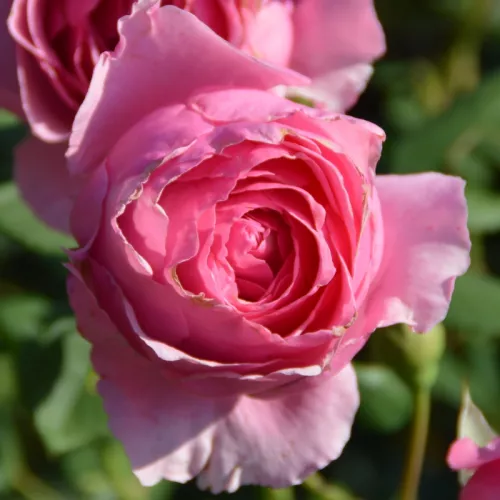
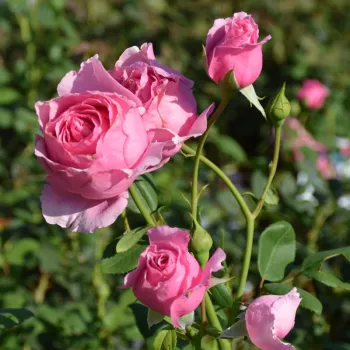
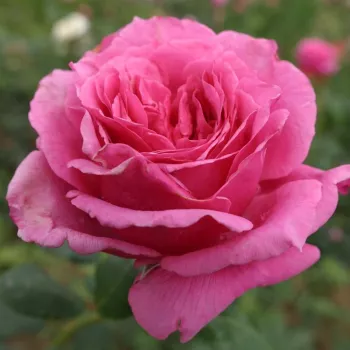
WERNER VON SIMSON – pink nostalgia rose
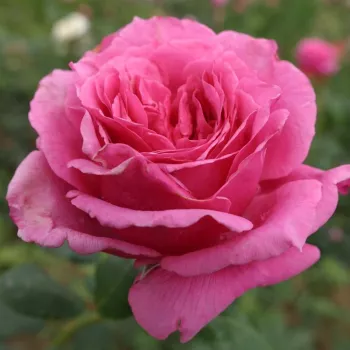
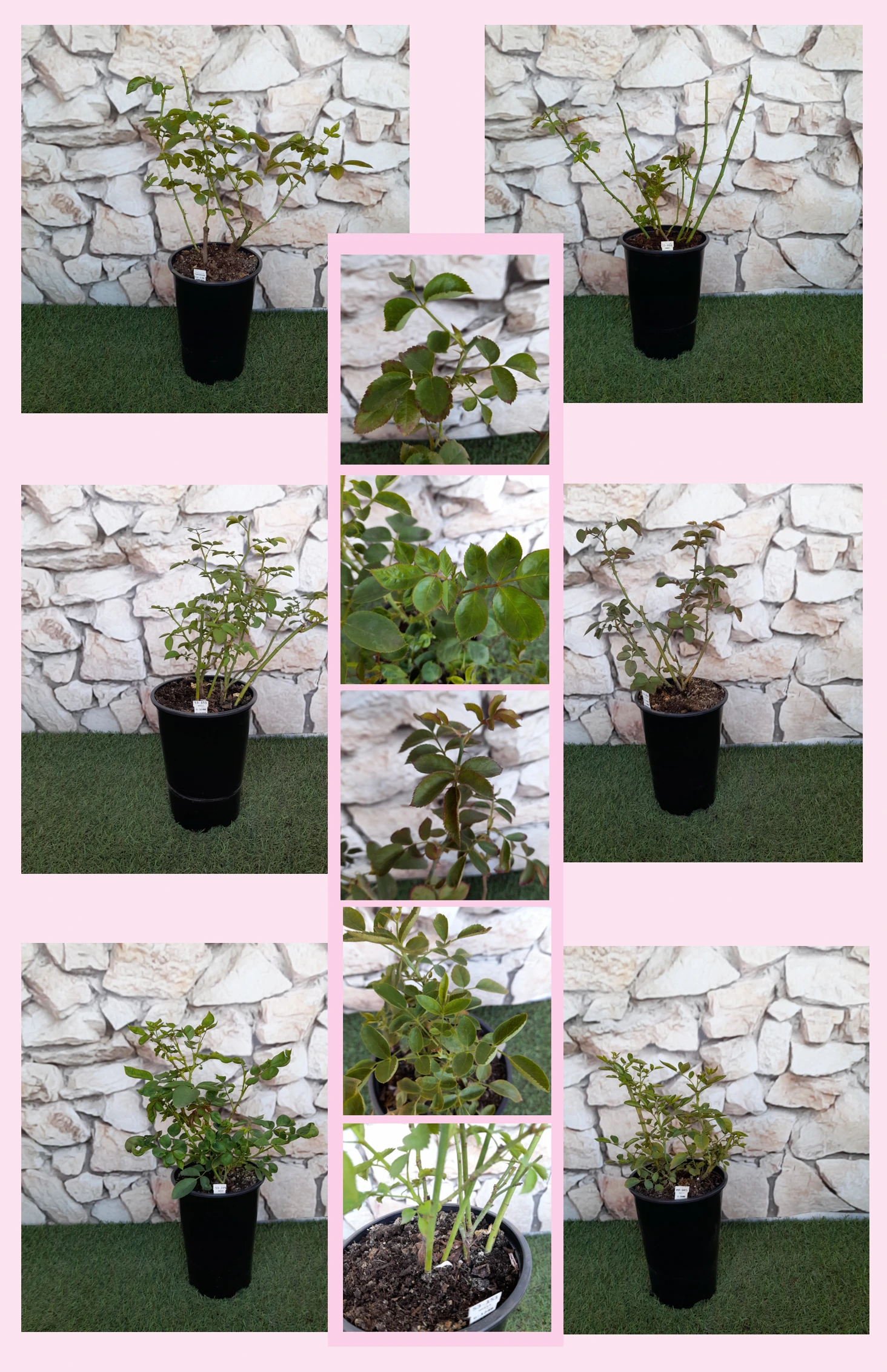
Step outside for a few minutes and let WERNER VON SIMSON surround you with fruity perfume and nostalgic charm – a romantic shrub rose that thrives in Ireland’s rainfall-washed light and shrugs off typical Atlantic breezes when given good drainage. Large, cupped blooms open in rich deep pink, softening to a gentle pastel cottage tone that flatters brick, pebble-dash and painted walls alike. Planted as an own-root specimen in a family garden, it settles slowly but steadily – roots in the first year, stronger shoots in the second, and full, reliable ornamental value by the third – creating a long-lived, low-fuss focal point by the front path or terrace.
Usage options
| Target area | Reasoning |
|---|
| Irish cottage-style front garden |
The tall, upright habit and deep pink, old-fashioned blooms instantly give a cottage feel beside a gate, short path or low wall, while own-root vigour supports a long-lived planting that copes well with Ireland’s soft, rain-washed climate; ideal for beginners |
| Feature rose for obelisks or rose arches |
WERNER VON SIMSON’s height and flexible stems suit training over an obelisk or light arch, where the repeat-flowering, strongly scented clusters create a romantic tunnel effect for daily use and summer gatherings; perfect for the homeowner |
| Dublin terraced-house front boundary |
Planted 60–70 cm apart along a railing or fence, this dense, dark-foliaged shrub shapes into a graceful, flower-laden screen that gives privacy and charm without needing complex pruning techniques, suiting the pace of the urbanite |
| Cut-flower corner in a family garden |
The large, double, cup-shaped blooms have strong, fresh, fruity fragrance and long stems, making them excellent for cutting, so a single bush can supply nostalgic bunches for the kitchen table all summer; rewarding for the hobby-gardener |
| Statement container by a sunny doorway |
In a 40–50 litre pot with free-draining compost, this own-root shrub builds a stable framework of shoots that resprout well after hard pruning, giving years of reliable colour and scent beside a frequently used door; reassuring for the busy-owner |
| Romantic mixed border with perennials |
Clustered deep pink blooms combine beautifully with airy partners such as Russian sage or pink lupins, while the dark green foliage knits the planting together and the repeat-flowering habit keeps the display going for months; attractive to the nature-lover |
| Long-term “heirloom” rose in a family garden |
Own-root growth means that if top shoots are damaged by weather or pruning, new flowering stems can regenerate from below, supporting a longer lifespan and stable appearance that can be enjoyed over many seasons; ideal for the sentimental |
| Sunny, well-drained spot with sheltered airflow |
Placing this disease-sensitive rose where excess moisture can run off and air can move freely helps limit fungal problems common in our damp climate, making routine care more predictable and manageable for the time-poor |
Styling ideas
- Cottage-arch romance – Train WERNER VON SIMSON over a light arch with foxgloves and hardy geraniums beneath for a walk-through of pink blooms and scent – for front-garden dreamers.
- Terraced charm – Line a short Dublin front path with two or three shrubs underplanted with low catmint for colour, fragrance and a soft edge – for city homeowners.
- Nostalgic cutting bed – Combine this rose with lupins and St John’s wort near a back door so armfuls of scented, deep pink flowers are always close to hand – for kitchen-table flower arrangers.
- Doorstep focal pot – Grow one plant in a 50 litre container with gravel mulch and fragrant herbs around the rim to create a long-lived, low-fuss welcome – for busy families.
- Romantic mixed border – Set against Russian sage and soft ornamental grasses, its deep pink clusters and dark foliage anchor the border and draw the eye – for cottage-border enthusiasts.
Technical cultivar profile
| Property | Data |
|---|
| Name and registration |
WERNER VON SIMSON – pink nostalgia shrub rose from the Romantic rose collection; trade names include Werner von Simson Romantic rose Scarman; ARS exhibition name: Werner von Simson. |
| Origin and breeding |
Bred by John Scarman, Scarman Roses, Germany; parentage unknown; bred and introduced in 2007, initially distributed by Scarman Roses for romantic, nostalgic garden and cut-flower use. |
| Growth and structural characteristics |
Upright shrub reaching about 120–190 cm high and 80–130 cm wide, with moderately thorny shoots and dense, slightly glossy dark green foliage providing good visual cover and a strong structural presence. |
| Flower morphology |
Large 7–10 cm double, cup-shaped blooms with approximately 26–39 petals, usually borne in clusters; strongly repeat-flowering with an abundant second flush in suitable conditions through the season. |
| Colour data and phenology |
Deep pink petals with slight magenta tones, ARS code DPk, RHS 58B–58C; buds open dark and vivid, then fade gradually to pastel pink while retaining a soft, romantic appearance until petal drop. |
| Fragrance and aroma |
Strong, fresh, fruity fragrance typical of old-fashioned romantic roses, noticeable both in the garden and in the vase; ideal where scented planting is a priority near seating areas or entrances. |
| Hip characteristics |
Hip set is generally low due to fully double flowers; where pollinated, ellipsoidal orange-red hips 12–18 mm can form, adding modest late-season interest without significant ornamental clutter. |
| Resistance and winter hardiness |
Hardy to approximately −21 to −18 °C (H7, USDA zone 6b, Swedish zone 3); disease resistance is modest, with sensitivity to rust and moderate susceptibility to black spot and powdery mildew. |
| Horticultural recommendations |
Best in full sun with good air circulation and drainage; space 60–110 cm depending on use; suitable for arches, obelisks, fences, cut flowers and culinary petals, with regular plant protection recommended. |
WERNER VON SIMSON offers richly scented deep pink blooms, romantic cut flowers and long-term stability from its own-root form, making it a thoughtful choice for those planning a lasting, characterful garden feature.