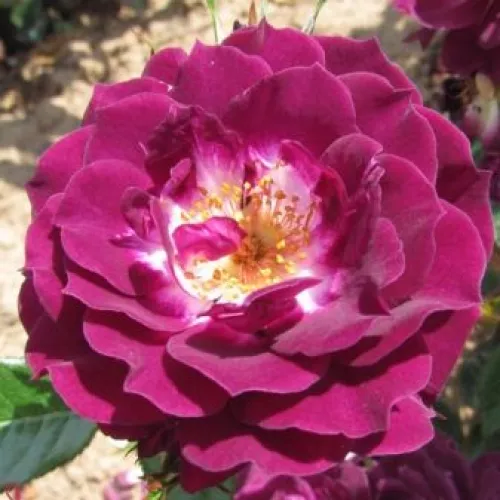
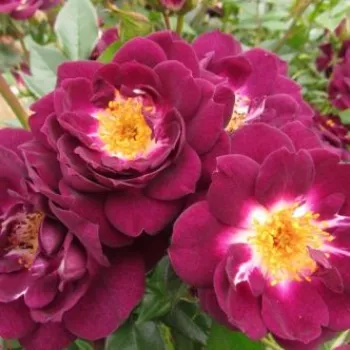
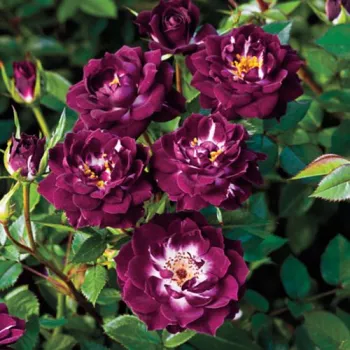
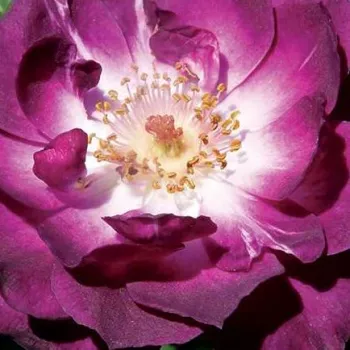
Diamond Eyes – dark purple dwarf-mini rose
Step out to meet Diamond Eyes on a soft Irish evening and enjoy its velvety blooms glowing in raindrops and gentle light, even where summers are short and damp with frequent showers and blustery breezes. This compact miniature fills small spaces with a surprisingly strong spicy perfume, flowering in generous flushes through the season on dense, glossy foliage that suits both cottage borders and neat city front gardens. As an own‑root rose it settles in steadily, building lasting resilience underground while you simply keep it watered, lightly fed and mulched, letting it grow from careful first‑year planting to a fuller second year and a charming, well‑rounded display in its third season.
Usage options
| Target area |
Reasoning |
| Cottage-style front border in a family garden |
Its compact 45–55 cm height and dense, dark green foliage give a tidy edge to paths and beds while the deep purple and cream-white flowers add a romantic “girly” cottage touch, ideal for low-maintenance charm in small family plots for the beginner. |
| Decorative container on a Dublin terrace or balcony |
This dwarf habit thrives in a large 40–50 litre pot, where good drainage and regular watering support reliable repeat flowering and a long lifespan; own-root plants recover well if containers dry or are moved, making them forgiving for the urbanite. |
| Low flowering hedge along a path or driveway |
Planted 35 cm apart, the neat bushes form a low hedge with striking repeat-flowering colour, and own-root growth ensures gaps are less likely over time as plants regenerate from the base, suiting those planning long-term structure for the homeowner. |
| Feature plant near seating for evening fragrance |
The strongly spicy scent, noticeable from a distance, is ideal beside a bench or patio where you can appreciate perfume after work, without intensive pruning or spraying, appealing to those who want sensory reward with little effort for the relaxer. |
| Small mixed border with perennials in heavy Irish soil |
In heavier clay, improved with compost and a gritty top layer, its moderate disease resistance and sturdy constitution cope well with cool, damp summers and regular rainfall, keeping colour going between perennials for the practical gardener. |
| Urban edging planting for neat, repeat colour |
The medium maintenance level mainly involves deadheading and occasional plant protection, while repeat clusters of small flowers keep pavements and shared frontages cheerful over many years, suiting residents who value smart kerb appeal for the neighbourhood. |
| Pollinator-friendly accent in a scented corner |
Semi-double blooms with visible yellow stamens offer some forage, especially when combined with herbs and airy perennials, providing gentle insect interest without a wild look, matching those who like a soft, nature-leaning style for the nature-lover. |
| Collectable mini rose for enthusiasts and exhibitors |
As an American Rose Society Award of Excellence winner with distinctive bicolour blooms, it suits collectors wanting a reliable, long-lived, own-root plant that performs in both show benches and gardens, rewarding the detail-focused enthusiast. |
Styling ideas
- Cottage-Romantic Edge – line a path with Diamond Eyes and interplant with Calamintha ‘Elfin Purple’ for a frothy, fragrant, low border – ideal for cottage-style family gardens.
- Terrace Jewel Pot – plant one shrub in a 40–50 litre container with fine gravel mulch for drainage and pair with trailing thyme – perfect for busy urban balcony owners.
- Midnight Ribbon Hedge – create a low hedge and back it with pale foxgloves and white campanulas to highlight the cream “eye” – suited to homeowners seeking smart year-round structure.
- Scented Seating Nook – place a small group near a bench with lavender and ornamental grasses to enjoy evening perfume – great for those who unwind outdoors after work.
- Collector’s Mini Display – grow several plants in a neat row or grid for uniform blooms and easy stem selection – appealing to miniature-rose enthusiasts and exhibitors.
Technical cultivar profile
| Characteristic |
Data |
| Name and registration |
Miniature dwarf rose; registered as WEKwibypur with ARS exhibition name Diamond Eyes; trade designation Wekwibypur Mini - dwarf rose WEKwibypur for garden and container use. |
| Origin and breeding |
Bred in the United States by Tom Carruth in 2011; parentage ‘Wild Blue Yonder’ × [(seedling × ‘Baby Love’) × ‘Night Owl’]; introduced after 2015 by Weeks Roses. |
| Awards and recognition |
American Rose Society Award of Excellence (2013), recognising its performance and ornamental value within miniature and patio rose categories for both exhibitors and home gardeners. |
| Growth and structural characteristics |
Dwarf, bushy habit reaching 45–55 cm in height and spread; dense, glossy, dark green foliage; moderately thorny stems; suitable for edging, low hedges and container culture in small spaces. |
| Flower morphology |
Semi-double, flat flowers in small clusters; 13–25 petals; repeat-flowering with a strong second flush if deadheaded regularly; bloom size small at approximately 1–4 cm diameter per flower. |
| Colour data and phenology |
Velvety deep blackish-purple petals with a contrasting cream-white central eye; RHS 79A outer and 155D inner; colour lightens slightly in strong sun and deepens in cooler weather, maintaining good overall retention. |
| Fragrance and aroma |
Strong, spicy scent clearly detectable around the plant, contributing significant fragrance in compact spaces such as patios and small gardens; suitable for gardeners prioritising aromatic impact. |
| Hip characteristics |
Rose-hip set is usually slight; occasional small spherical hips 6–8 mm across may form, maturing to red (RHS 40A); generally of minor ornamental value in typical garden settings. |
| Resistance and winter hardiness |
Hardy to about −32 to −29 °C (USDA 4b, RHS H7); medium resistance to black spot, powdery mildew and rust; benefits from good air circulation and standard Irish garden care. |
| Horticultural recommendations |
Best in well-drained, humus-rich soil; space 45 cm in mass plantings, 35 cm for hedges, 75 cm for specimens; suitable for containers, borders, edging, low hedges, cut stems and urban green spaces. |
Diamond Eyes offers strong fragrance, compact long-season flowering and reliable own-root longevity in small gardens and containers, making it a thoughtful choice if you enjoy lasting colour without complicated care.