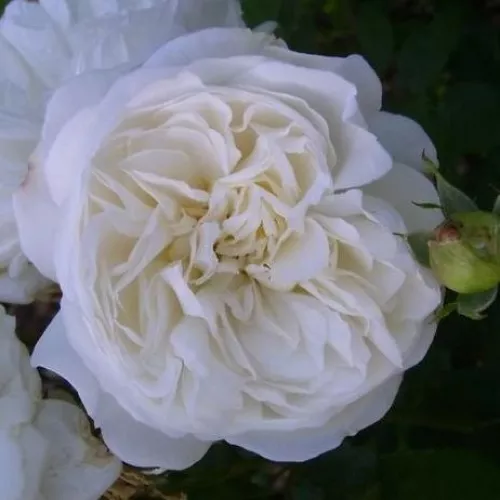
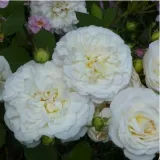
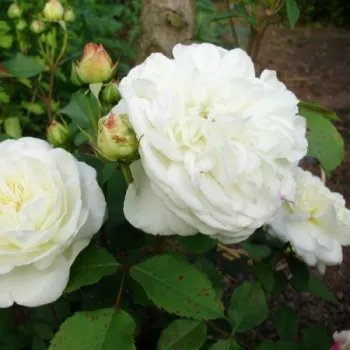
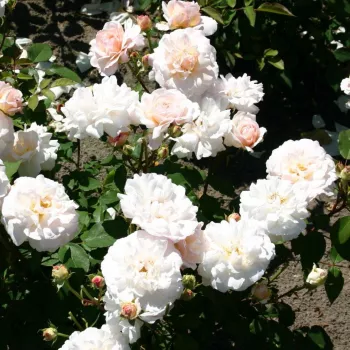
WEISSE GRUSS AN AACHEN™ – white bedding floribunda rose
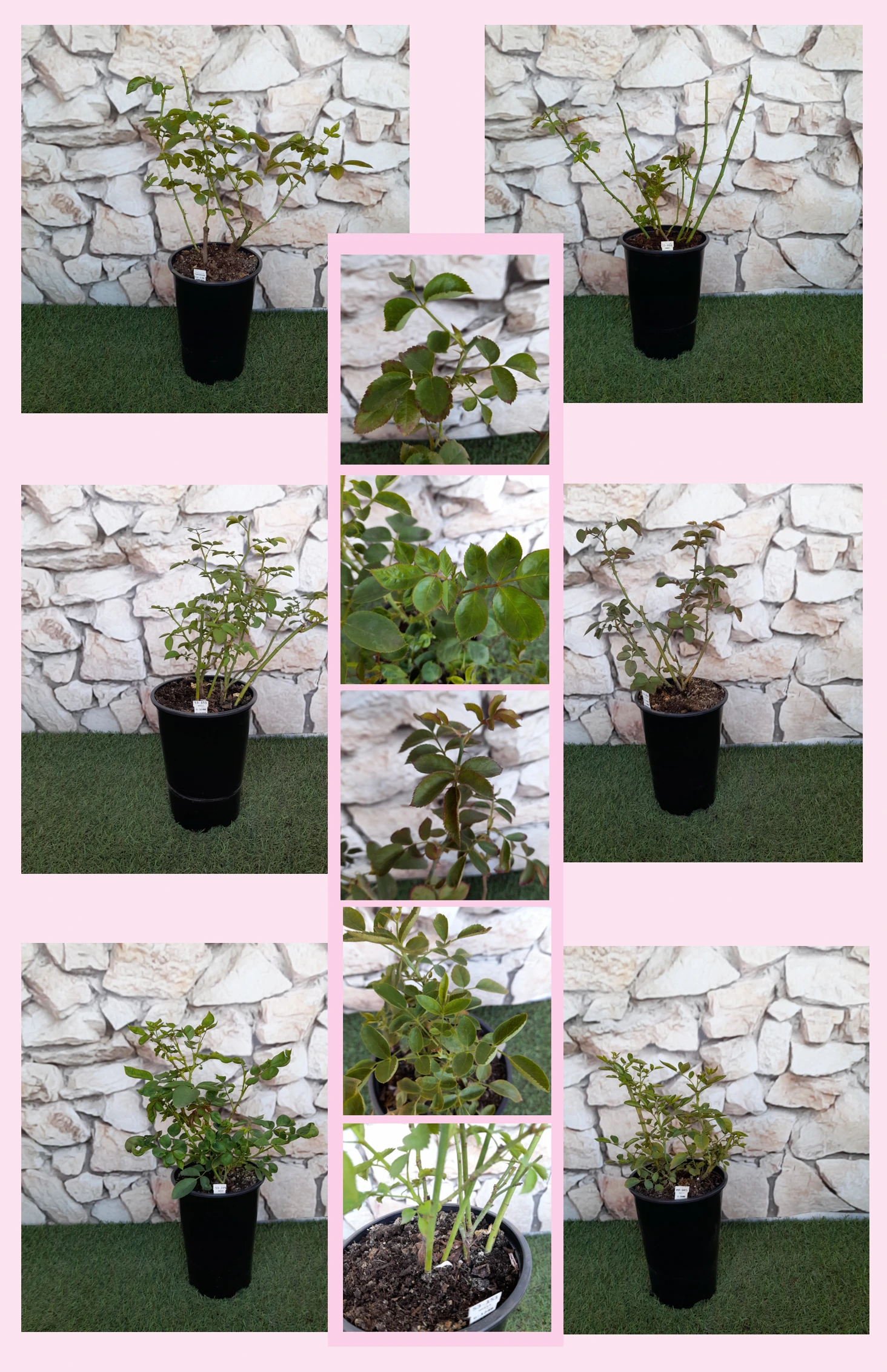
Imagine stepping outside for a short walk after summer rain, the air fresh and cool, and being greeted by clusters of creamy white blooms glowing in the soft light – this is the quiet charm of Weisse Gruss an Aachen in an Irish cottage or terraced front garden. Its compact, bushy habit suits small spaces and low front boundaries, while barely-thorny stems make everyday care and deadheading simple, even in tight paths or beside play areas. Bred in Germany and loved since 1944, it offers medium, classic rose fragrance and reliable repeat flowering through our short summers, coping well even when the weather turns to steady showers and cool, damp spells with persistent humidity. As an own-root plant in the pharmaROSA® ORIGINAL 2‑litre pot, it settles in gradually: first building roots, then strong shoots, and by the third year revealing its full ornamental impact as a long-lived, reassuring presence in your garden.
Usage options
| Target area |
Reasoning |
| Front-of-border cottage strip |
The compact, bushy structure and 60–85 cm height make this rose ideal for the front third of a mixed cottage border, where its pure white, cup-shaped flowers create a soft, romantic edging. Repeating flushes give ongoing interest around perennials, suiting those who like gentle cottage style but prefer plants that largely look after themselves over busy months for the beginner. |
| Small Dublin terraced front garden |
Its modest spread and neat form work well in narrow, street-facing beds, adding a bright, welcoming “white greeting” without overwhelming the space. Barely thorny stems are easier to manage along paths and around bins, while the own-root habit supports a long-lived, stable planting that copes with everyday family comings and goings, suiting the time-pressed homeowner. |
| Low flowering hedge along a path |
Planted at closer hedge spacing, it forms a low, continuous flowering line that softens boundaries without blocking light. Medium maintenance is mostly about occasional plant protection and simple deadheading, so you gain a formal yet friendly edge that looks composed for much of the season, appealing to those who value orderly structure in a family garden setting. |
| Feature clump in a lawn corner |
As a solitary or small group in turf, this rose gives a luminous white focal point against green, especially effective under soft evening light. Own-root growth means if stems are damaged, healthy shoots can regenerate from the base, so the plant can recover and remain reliable over years, ideal for gardeners seeking long-term, low-fuss beauty. |
| Large patio container or half-barrel |
In a 40–50 litre container with good drainage, its compact size and dense foliage produce a generous, upright dome of bloom near seating areas where the medium, classic rose scent can be enjoyed at close quarters. This portable option suits rented homes or paved spaces, offering flexible planting for the urban balcony or patio gardener. |
| Partially shaded side garden |
Suitable for partial shade, it continues to flower in spots that receive only a few hours of direct sun, brightening otherwise dull side areas. The white blooms and dark green foliage reflect limited light, making narrow passages feel more spacious and inviting, which is helpful for homeowners wanting charm even in less favoured corners. |
| Mixed white-and-pastel border |
The soft white flowers with a hint of cream blend harmoniously with pale pinks, blues and silvers, linking diverse perennials into a calm colour story. Repeat flowering supports other long-season companions, especially when summers are short yet moist with cool winds and frequent drizzle rolling in from the Atlantic, pleasing the colour-conscious planner. |
| Family play garden with gentle access |
Its barely thorny character makes it a considerate choice near frequently used paths, low windows, or informal seating where children move about. While spent blooms need a little hand cleaning, the balanced, medium maintenance suits those who want real roses in a lived-in garden without constant fuss, reassuring the cautious garden parent. |
Styling ideas
- Cottage-edge – Line a cottage-style border with small groups of these white bushes, threading between foxgloves and hardy geraniums for a relaxed, romantic edge – ideal for nostalgic cottage-garden lovers.
- Front-garden – Pair with dwarf Miscanthus and soft lavender in a narrow front bed to give a neat yet airy welcome that feels calm and cared for – suited to busy city-front homeowners.
- Moonlight – Combine with white campanulas and silvery foliage like Stachys by night-light or path lanterns to enjoy the luminous blooms after dusk – perfect for evening garden appreciators.
- Classic-duo – Plant beside a mock orange or lilac backdrop so the rose’s pure white flowers echo the shrubs’ blossom and fragrance – appealing to scent-focused traditionalists.
- Container-corner – Use a large terracotta pot by the patio, underplanted with trailing thyme, to create a movable, fragrant focal point near your favourite chair – great for renters and balcony gardeners.
Technical cultivar profile
| Characteristic |
Data |
| Name and registration |
Floribunda / Hybrid Polyantha bedding rose; registered cultivar name Weisse Gruss an Aachen, trade name Weisse Gruss an Aachen™; ARS exhibition name identical; part of flower border floribunda range. |
| Origin and breeding |
Sport of ‘Gruss an Aachen’, bred by Max Vogel in Germany and introduced around 1944; breeder and early distribution records are incomplete, but it has since become a classic white bedding rose. |
| Growth and structural characteristics |
Compact, bushy shrub with dense, dark green, slightly glossy foliage; height typically 60–85 cm with a 50–70 cm spread, forming a rounded, low hedge or bedding form with very few prickles. |
| Flower morphology |
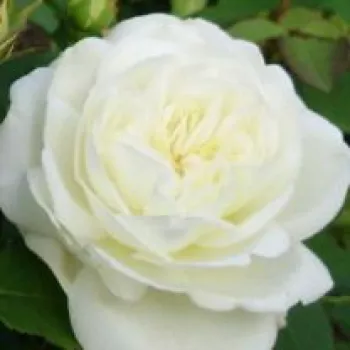
Full, cup-shaped, clustered blooms with 26–39 petals and large 7–10 cm flowers; remontant, giving generous repeat flushes; weak self-cleaning so spent blooms usually require light deadheading by hand. |
| Colour data and phenology |
Bud pale greenish-white to ivory; opening to pure white with a subtle creamy centre; ARS W, RHS 155C–155D; colour holds moderately well, softening to a light cream tone in strong sun over time. |
| Fragrance and aroma |
Medium-strength, noticeable fragrance with a classic old-rose character; best appreciated at close range in still air; chiefly ornamental, not selected for cosmetic or culinary use, but delightful near paths and seating. |
| Hip characteristics |
Hip set is limited due to the very full, double blooms; when present, produces occasional small spherical red hips, approximately 7–10 mm across, adding a discreet seasonal accent in late season. |
| Resistance and winter hardiness |
Hardy to around –21 to –18 °C (USDA 6b, Swedish zone 3, RHS H7); moderate resistance to black spot, mildew and rust; tolerates heat if watered regularly during prolonged droughts. |
| Horticultural recommendations |
For beds, borders and containers; spacing 35–65 cm depending on use; prefers well-drained, fertile soil with mulch to protect roots; maintenance medium, occasionally requiring plant protection and deadheading. |
WEISSE GRUSS AN AACHEN™ offers compact, fragrant, long-season white flowering on a durable own-root shrub, making it a thoughtful choice for those planning a gentle, enduring garden feature.