SEYFERT – pink hybrid tea rose - Evers
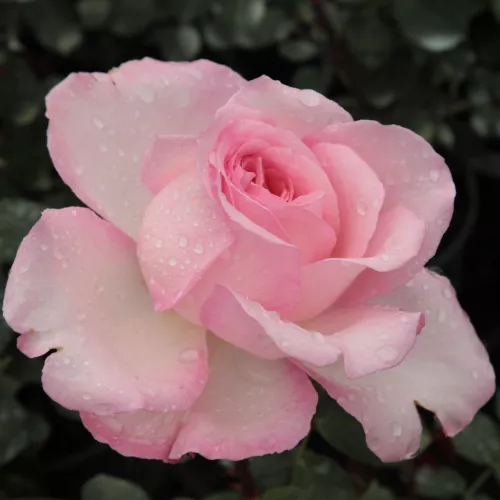
Imagine stepping out for a short walk in soft rain, the air scented with the sweet and fruity perfume of SEYFERT’s large blooms, their pastel pink petals catching the light in a Dublin front garden. This tall, upright hybrid tea forms a bushy, refined presence that suits both a “girly” Irish cottage border and a small city plot, while its own-root nature promises reassuring longevity and reliable regrowth after a hard winter. Designed to cope gracefully with our wetter climate and frequent showers, it keeps its colour beautifully even in changeable weather, offering season-long flowers that feel like quiet, everyday luxury.
Usage options
| Target area |
Reasoning |
| Cottage-style mixed border |
The tall, upright habit and dense, glossy foliage give a classic hybrid tea structure that rises elegantly above perennials, perfect for a romantic cottage look with soft pink focal points through summer. Ideal for fragrance‑loving beginners. |
| Front garden feature by the door |
Strong, long-lasting scent and extra-large, solitary blooms make SEYFERT a welcoming feature near your entrance, offering a refined, “grown-up girly” touch without demanding complicated care routines. Suited to busy urban homeowners. |
| Own-root long-term garden investment |
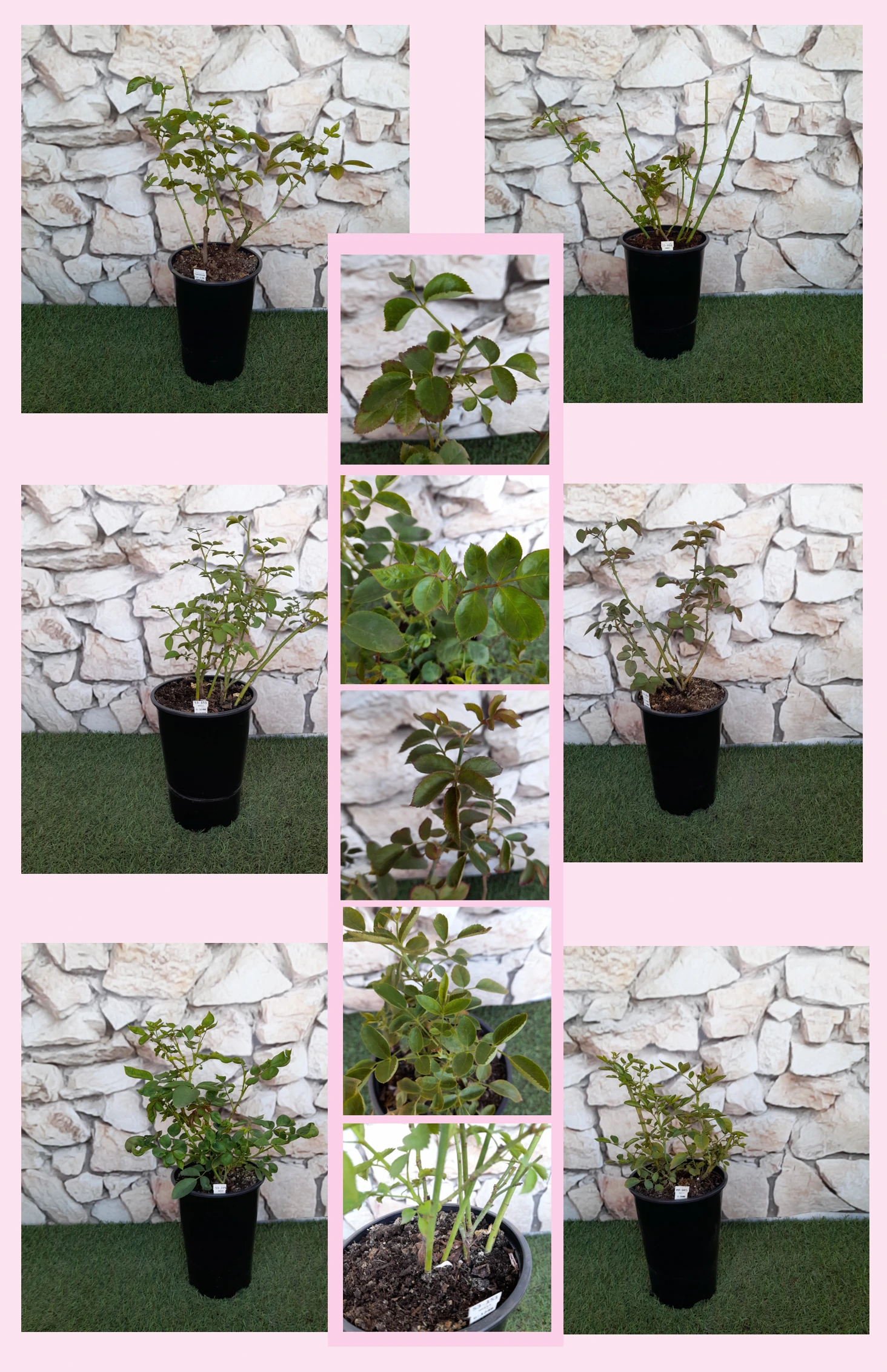
As an own-root shrub, SEYFERT keeps its character if cut back hard, rebuilding from its true variety roots for a long-lived, stable display over many seasons, a reassuring choice for low-fuss gardeners. |
| Developing family garden (1–3 year plan) |
Planted once and left to settle, it builds roots in year one, stronger shoots and structure in year two, and by year three you enjoy its full ornamental value with established height and flowering. Ideal for patient family‑garden planners. |
| Rain‑tolerant Irish planting scheme |
SEYFERT’s flowers hold their pastel pink colour well and the plant copes steadily with our often breezy, wet weather, making it a reassuring choice where regular showers and soft Atlantic rain are part of everyday life. Good for climate‑aware buyers. |
| Structured rose hedge or backdrop |
Spacing of 55–65 cm allows a loose, elegant rose line with repeated, XL pink blooms, creating a refined background for lawns or seating areas without feeling heavy or over‑formal. Recommended for family‑garden designers. |
| Cut-flowers from your own garden |
With solitary, cup-shaped, exhibition-style blooms over 10 cm, SEYFERT is ideal for cutting, bringing its strong, fruity fragrance and pastel pink tones indoors for vases and occasional table arrangements. Perfect for home‑floristry enthusiasts. |
| Large container on patio or terrace |
In a 40–50 litre pot with good drainage, this upright, sparsely thorned rose offers height and perfume close to seating, while own-root resilience helps it recover well if winter or wind cause damage. A good option for small‑space gardeners. |
Styling ideas
- Cottage duet – Combine SEYFERT with Calamintha ‘Elfin Purple’ for a soft, pastel‑and‑lilac haze at the front of the border – for romantic cottage‑garden owners.
- Elegant hedge – Plant at 55–65 cm intervals to form a light, pink flowering line edging a lawn or path – for those wanting structure without formal stiffness.
- Patio statement – Grow one plant in a 50 litre clay pot with pea‑gravel mulch to frame a sunny doorway – for terrace and small‑front‑garden dwellers.
- Soft skyline – Use SEYFERT at the back of a bed with Liatris spicata ‘Alba’ to add vertical accents above its XL blooms – for gardeners who like layered height.
- Refined evergreen frame – Underplant with low Euonymus japonicus ‘Microphyllus’ to give a neat, glossy base to the airy pink flowers – for neat yet nature‑minded households.
Technical cultivar profile
| Parameter |
Data |
| Name and registration |
Hybrid tea rose; registered as TANanilov, traded as Seyfert Hybrid tea rose TANanilov, also known for exhibition under the name Violina; part of the Rós taehibride commercial group. |
| Origin and breeding |
Bred by Hans Jürgen Evers at Rosen Tantau, Germany, from cross RT 82‑310 × RT 85‑07; bred in 1990 and introduced by Rosen Tantau in Germany in 1998 after 1997 registration. |
| Growth and structural characteristics |
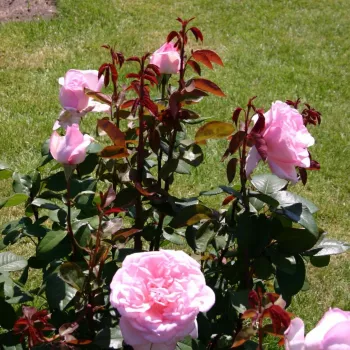
Upright, bushy shrub reaching about 140–180 cm high and 95–125 cm across, with dense, dark glossy foliage and relatively few thorns, giving a refined yet substantial garden presence. |
| Flower morphology |
Extra-large, solitary, cup-shaped double blooms with 26–39 petals, typically over 10 cm across; classic hybrid tea form suitable for both garden display and cutting for indoor arrangements. |
| Colour data and phenology |
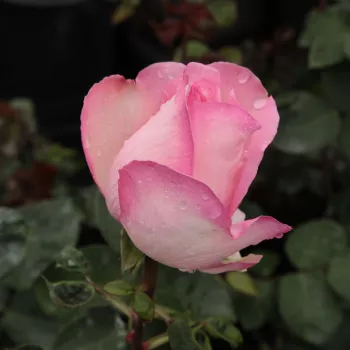
Mid‑pink buds deepen at the tip, then open to silk‑sheen pink with stronger edges, fading gradually to uniform pastel with slight central paling; colour retention is very good throughout flowering. |
| Fragrance and aroma |
Strong, long-lasting scent with a sweet, fruity character typical of high-quality scented hybrid teas; ideal where perfumed blooms are prioritised for both garden enjoyment and cut flowers. |
| Hip characteristics |
Produces small numbers of spherical hips, 8–12 mm in diameter, ripening to orange‑red; a modest ornamental detail rather than a primary feature for autumn and winter display. |
| Resistance and winter hardiness |
Rated medium for black spot, powdery mildew and rust, so occasional care may be required; winter hardy approximately to −21 to −18 °C, corresponding to RHS H7 and USDA zone 6b. |
| Horticultural recommendations |
Plant at about 65 cm for groups, 55 cm for hedges or 100 cm as a specimen; prefers well‑drained, fertile soil, with regular deadheading and standard rose care for best health and flowering. |
SEYFERT brings extra-large pastel pink blooms, strong fruity fragrance and reliable height on its own roots for a long-lived, resilient feature rose; a thoughtful choice if you’d like a refined, scented presence in your garden.