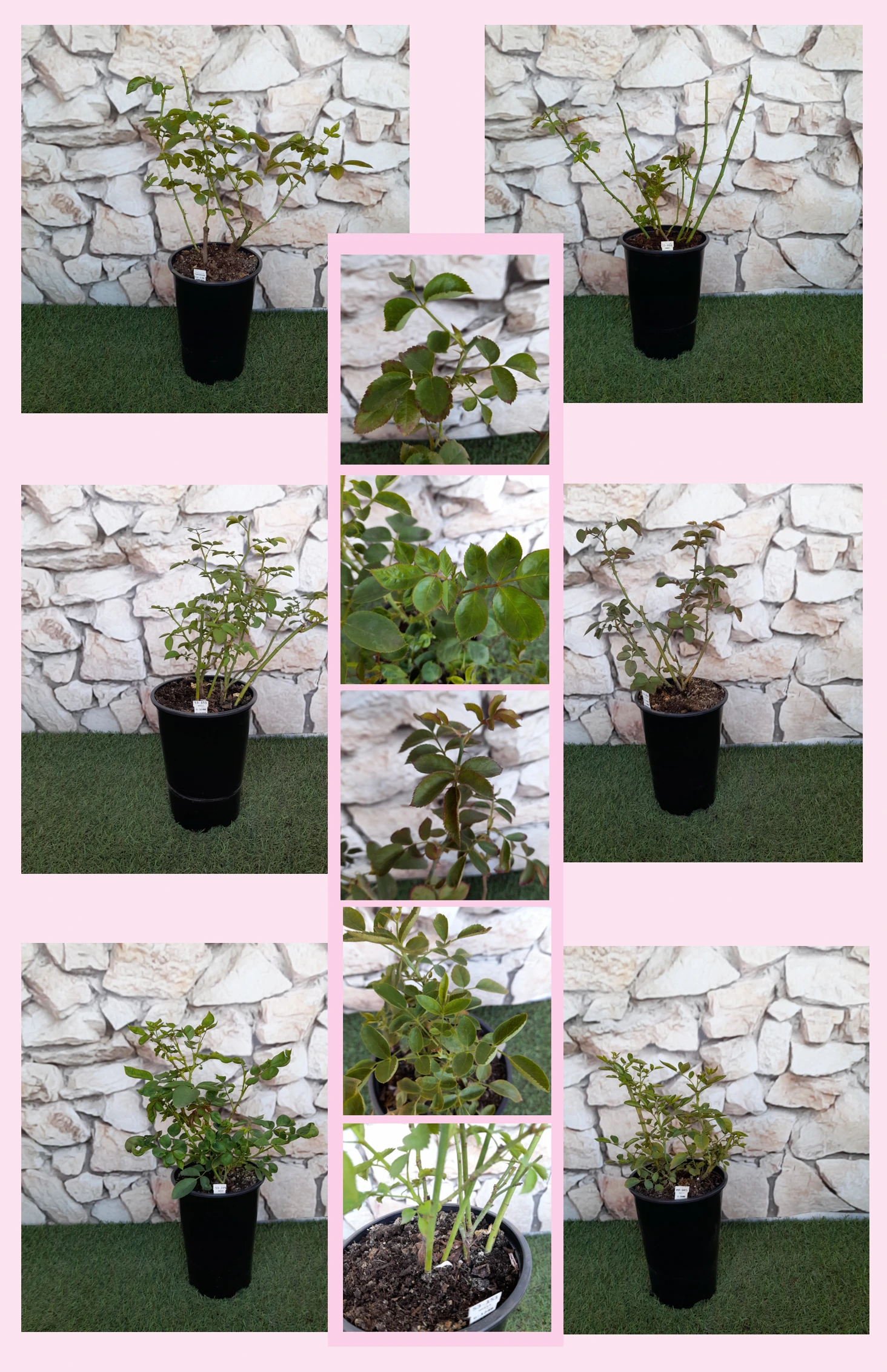
LÉDA – white historic Damask rose
Step outside for a few quiet minutes with LÉDA and you are met by fragrance, creamy white petals finely edged in raspberry red and a sense of gentle romance that suits both Dublin terraces and country cottages. This historic Damask brings abundant summer flushes and a generous repeat, so your front garden feels softly lit with blooms even when our Irish weather turns changeable and rainfall is frequent in cool, breezy spells. Semi‑double flowers with exposed stamens welcome bees, while its own‑root form offers reassuring longevity and easy recovery after any winter knockbacks. In a 2‑litre pot it is simple to plant, then it quietly builds roots in year one, stronger shoots in year two and a full, storybook display by year three.
Usage options
| Target area |
Reasoning |
| Front garden focal shrub beside the path |
LÉDA’s upright, bushy habit and 90–150 cm height create a graceful, eye‑level feature that frames your front door without overwhelming a small Irish garden; its semi‑double flowers draw bees, adding gentle movement for fragrance‑loving homeowners and beginners. |
| Cottage-style mixed border |
The repeat-flowering Damask character means two strong waves of scented flowers, giving that soft, old‑fashioned cottage look between perennials; this dependable rhythm suits busy gardeners who want colour without constant fuss and hobbyists. |
| Feature rose in a large container |
In a 40–50 litre pot with good drainage, LÉDA thrives on patios or small terraces, offering historic charm where soil is poor or space limited; own‑root vigour keeps it long‑lived even in containers, perfect for compact-city‑garden owners. |
| Lightly shaded townhouse bed |
Its tolerance of partial shade makes it ideal for those Dublin front beds that only get a few hours of sun; LÉDA still flowers generously and carries strong scent, appealing to practical but style-conscious urban garden keepers. |
| Pollinator-friendly historic rose corner |
Semi‑double rosette blooms with exposed stamens are easy for bees to use, and repeat flowering stretches nectar availability across the season, even when coastal breezes bring cool, damp spells with frequent rain for nature‑oriented garden families. |
| Low, informal flowering hedge |
Plant at about 80 cm spacing to form a loose, romantic rose line that marks a boundary while still letting light through; own‑root plants knit together over time, giving a stable, long‑term structure for low‑maintenance‑hedge planners. |
| Seasonal cutting and perfumed posies |
The medium, white-and-raspberry rosettes with very strong classic scent are excellent for short‑stemmed cottage-style arrangements; repeat flushes mean more opportunities to cut without stripping the shrub, ideal for scent‑loving home florists. |
| Decorative autumn interest with hips |
After flowering, the shrub carries ovoid red hips around 15–25 mm, adding gentle autumn colour and wildlife-friendly structure, so the plant keeps earning its place long after summer for four‑season‑interest garden planners. |
Styling ideas
- COTTAGE RIBBON – weave LÉDA through a border with Alchemilla mollis and foxgloves to echo historic cottage gardens – ideal for romantic front-garden dreamers.
- PATIOSCENT – plant one LÉDA in a 50 litre terracotta pot with trailing thyme at the base to maximise fragrance on a small terrace – suited to balcony and courtyard dwellers.
- HERITAGE HEDGE – line a path with repeated LÉDA shrubs and low lavender for an airy, perfumed boundary – perfect for those wanting structure without formality.
- BEES’ BANQUET – pair LÉDA with Verbena bonariensis and single dahlias to build a long-season pollinator corridor – appealing to wildlife-focused families.
- MOONLIGHT CORNER – place LÉDA against dark evergreen Lonicera nitida ‘Maigrün’ so its white blooms and red edges glow at dusk – best for evening garden relaxers.
Technical cultivar profile
| Property |
Data |
| Name and registration |
LÉDA is a historic Damask shrub rose from the Rós stairiúil group; trade name “Léda Historic rose”, also shown as Leda in exhibition schedules; female given-name origin. |
| Origin and breeding |
Traditional Damask rose of unknown parentage, bred in the United Kingdom around 1818 and in widespread cultivation by 1827; breeder and initial distributor are no longer documented. |
| Awards and recognition |
Considered a premium gold merit rose in specialist assessments and valued by collectors as a distinctive historic shrub, especially noted for its colour contrast and fragrance. |
| Growth and structural characteristics |
Upright, bushy shrub reaching about 90–150 cm high and 70–110 cm wide, with dense, slightly glossy grey‑green foliage and moderate prickles, forming a full, rounded outline in time. |
| Flower morphology |
Semi‑double rosette flowers, usually 13–25 petals, medium-sized at 4–7 cm, borne in clusters; remontant, with an abundant first flush followed by a notably generous second flowering. |
| Colour data and phenology |
Closed buds deep crimson with pale tips; open flowers snow‑white with raspberry-red edges, coded ARS W, RHS 155C and 57A; edging softens to pink as blooms age, with good colour retention. |
| Fragrance and aroma |
Very strong, classic rose fragrance typical of Damask heritage types, noticeable from a distance in still air and particularly pronounced around paths, doors and seating areas in warm weather. |
| Hip characteristics |
Produces decorative, egg-shaped red hips 15–25 mm in diameter in moderate numbers after flowering; useful for late-season colour and informal arrangements, and visually appealing to wildlife gardeners. |
| Resistance and winter hardiness |
Hardy to about −32 to −29 °C (USDA 4b, RHS H7, Swedish zone 5); moderate resistance to black spot, powdery mildew and rust, with good tolerance of heat and periods of summer drought. |
| Horticultural recommendations |
Best in fertile, well‑drained soil; spacing 80–150 cm depending on use; suitable for beds, hedges, containers and cutting; medium maintenance, with occasional plant protection in humid seasons. |
LÉDA offers romantic repeat flowering, powerful scent and durable own-root vigour, making it a graceful long-term companion for your garden, should you wish to give a historic rose a home.