VILLE D'ETTELBRUCK – dark red bedding shrub rose – Lens
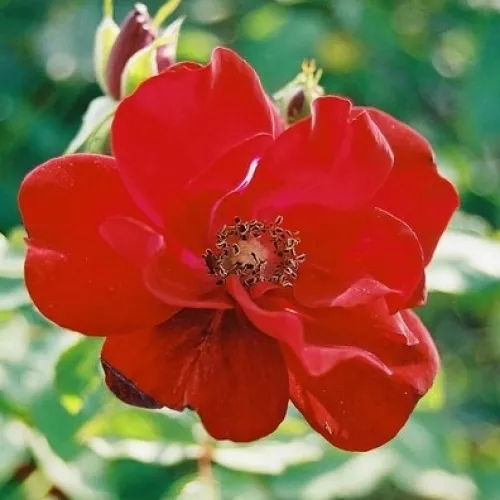
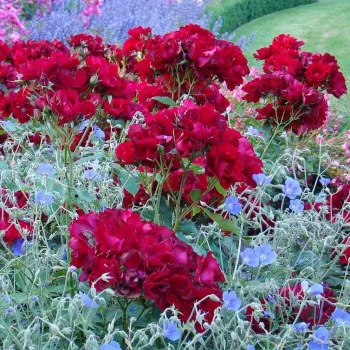
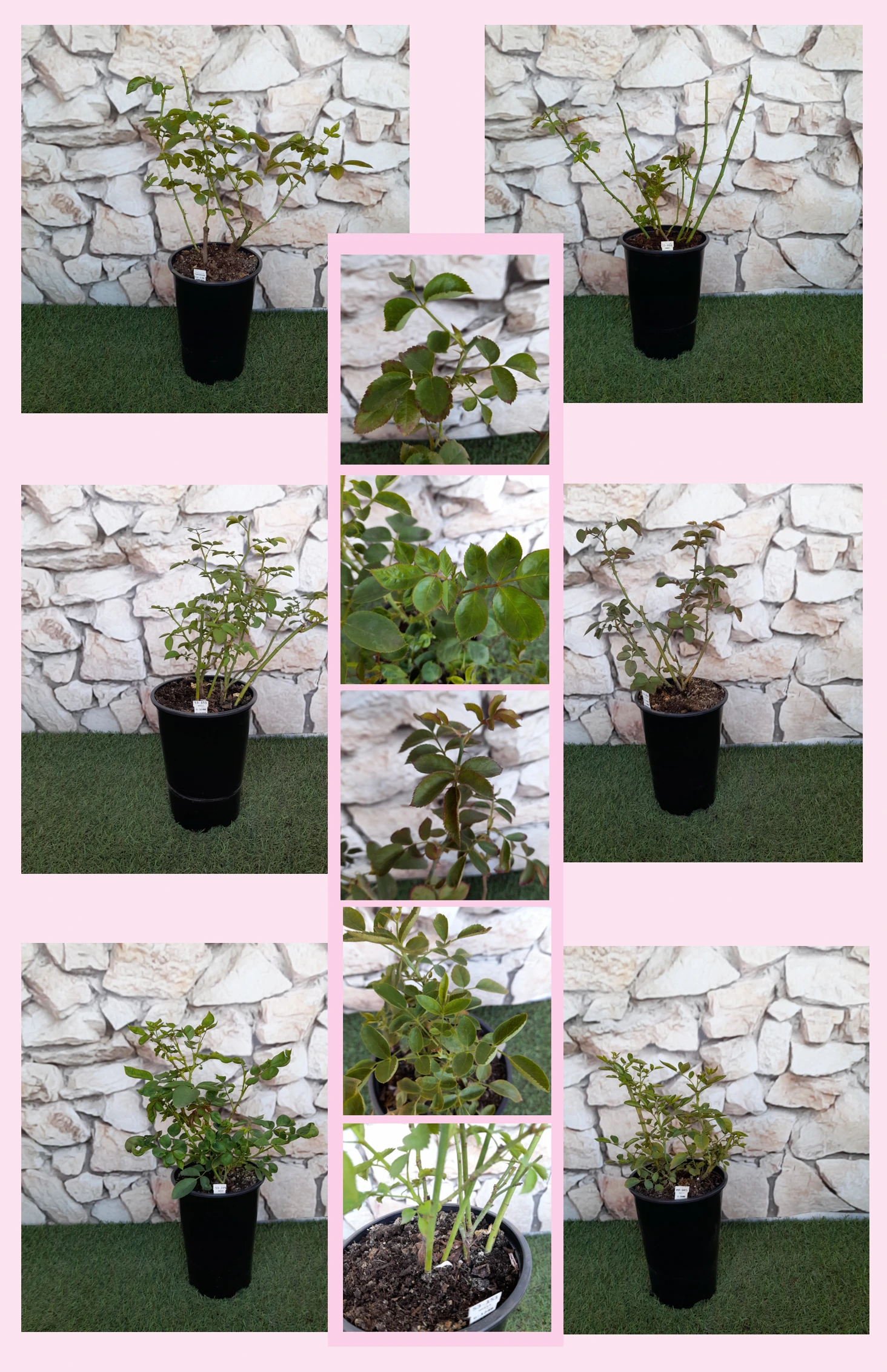
This gracefully upright shrub rose brings a glow of velvet colour to compact Irish gardens, thriving even where rainfall is frequent and summers feel short and mild. Its semi-double clusters open wide, offering easy pollinators access and a constant drift of light, fragrant charm from early summer well into autumn. Grown on its own roots, it settles in steadily and repays patience with a long, reliable life, regenerating well after pruning or winter setbacks. Think of it as a quietly cheerful partner to your cottage perennials, maturing through year one roots, year two shoots, and year three full ornamental value. With medium maintenance needs, glossy foliage and naturally balanced growth, VILLE D'ETTELBRUCK suits busy homeowners who still want a richly coloured, classically romantic presence by the front door.
Usage options
| Target area |
Reasoning |
| Front garden flowerbed along a path |
Clusters of blood-red blooms repeat generously, creating a welcoming path edge with colour from early summer to late season, even when time for detailed care is limited – ideal for the busy urban gardener |
| Irish cottage‑garden mixed border |
Medium-tall, upright growth and dense foliage weave easily between traditional perennials, and own‑root planting keeps the shrub long-lived and dependable in a relaxed, informal scheme – perfect for the romantic cottage owner |
| Small family lawn island or focal point |
At 110–150 cm, it forms a noticeable yet manageable accent, with semi‑double flowers staying eye-catching without overwhelming the space, ideal for families wanting impact from a single shrub – suited to the family‑garden beginner |
| Neighbour‑facing front boundary or low hedge |
Recommended 50–60 cm spacing builds a softly screening line of dark red and glossy green, with repeat flowering offering long-season interest without constant clipping – attractive for the neighbourly homeowner |
| Pollinator corner with herbs and perennials |
Semi‑double flowers with exposed stamens supply accessible pollen, pairing well with calamint and asters so bees can forage steadily through the season – rewarding for the nature‑oriented buyer |
| Urban planting exposed to wind and showers |
Firm, upright canes and a robust shrub build make it a good choice where breezes and soft Atlantic weather dominate, coping well with cool, damp spells between sunny breaks – reassuring for the city terrace gardener |
| Low‑input family border with simple care |
Medium disease resistance with strong black‑spot tolerance and partial self‑cleaning means less deadheading and spraying, helping you keep a smart border on limited weekend time – convenient for the time‑pressed owner |
| Seasonal interest with decorative hips |
If you leave some spent flowers, small spherical red hips develop and extend the show into autumn, adding texture that suits naturalistic, wildlife‑friendly planting – appealing to the fragrance‑loving traditionalist |
Styling ideas
- COTTAGE-RIBBON – Thread VILLE D'ETTELBRUCK in a loose line through pink asters and calamint to echo old Irish cottage borders – for nostalgic gardeners who enjoy soft, drifting colour.
- FRONT-DOOR-FOCAL – Plant a single shrub beside the entrance with pale paving and low lavender, so the rich red flowers draw the eye without blocking the doorway – for homeowners wanting instant kerb appeal.
- HEDGED-WELCOME – Space plants at 50–60 cm along a short front boundary to form a flowering hedge that frames the garden yet stays neighbour‑friendly – for those seeking gentle separation, not a solid wall.
- POLLINATOR-MIX – Combine with calamint ‘Blue Cloud Strain’ and dwarf Michaelmas daisies so bees move easily between open rose centres and nectar‑rich companions – for wildlife‑minded families.
- LONG-SEASON-ISLAND – Anchor a small lawn island with this rose, underplanting with low grasses and summer bulbs to keep interest going after the main flush – for gardeners who prefer one strong, reliable feature.
Technical cultivar profile
| Parameter |
Data |
| Name and registration |
Modern shrub bedding rose; registered as LENivill, traded as Ville d'Ettelbruck Bedding rose LENivill; ARS exhibition name Ville d’Ettelbruck; collection: Bedding rose, shrub rose. |
| Origin and breeding |
Bred by Louis Lens in Belgium from ‘Satchmo’ × ‘Skyrocket’; breeding year 1981, introduced 1983 by Lens Roses NV; represents the Lens tradition of floriferous, garden‑worthy shrub roses. |
| Awards and recognition |
Bronze medal at the Baden‑Baden International Rose Competition in 1982, highlighting its garden performance and ornamental value among international expert judges shortly after introduction. |
| Growth and structural characteristics |
Upright shrub reaching about 110–150 cm high and 65–95 cm wide, with dense, glossy dark green foliage and moderate prickliness; suitable for beds, low hedges and small focal‑point plantings. |
| Flower morphology |
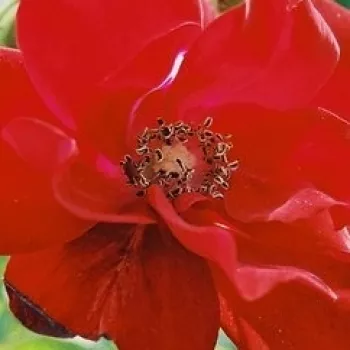
Semi‑double, flat flowers with 13–25 petals, medium sized at approximately 4–7 cm; borne in clusters and repeating freely with an abundant second flush; some spent blooms fall, others may need deadheading. |
| Colour data and phenology |
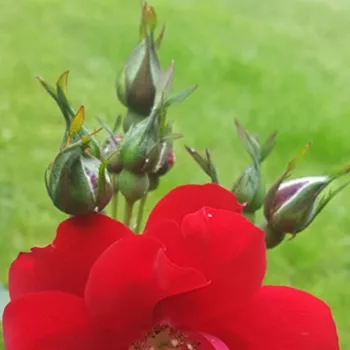
Dark blood‑red blooms, RHS 53A outer and 53B inner petals; buds deep burgundy, colour deepens then may lighten slightly in strong sun, with a velvety inner surface and consistent display through the season. |
| Fragrance and aroma |
Light, delicate scent that does not overpower nearby seating areas, adding a gentle rose note on still days; ideal where colour impact is primary but a subtle fragrance is still appreciated in passing. |
| Hip characteristics |
Forms small spherical red hips, around 8–12 mm, if some faded blooms are left; hips give additional late‑season interest and can support wildlife‑friendly or low‑maintenance planting concepts. |
| Resistance and winter hardiness |
Hardy to about −21 to −18 °C (H7, USDA 6b, Swedish zone 3); good black‑spot resistance with medium tolerance to mildew and rust; appreciates watering in dry spells and basic preventive care in humid years. |
| Horticultural recommendations |
Prefers sunny, well‑drained spots in fertile soil; plant 50–60 cm apart for hedging or 90 cm as a specimen; in containers choose at least 40–50 litres; suits medium‑input care with occasional pest management. |
VILLE D'ETTELBRUCK offers rich repeat flowering, pollinator-friendly semi-double blooms and a long-lived own-root habit, making it a thoughtful choice for those planning a durable, characterful garden.