TOPAZE ORIENTALE™ – cream‑yellow hybrid tea rose – Delbard‑Chabert
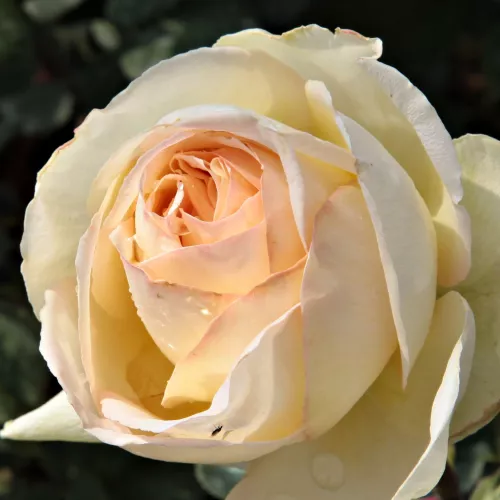
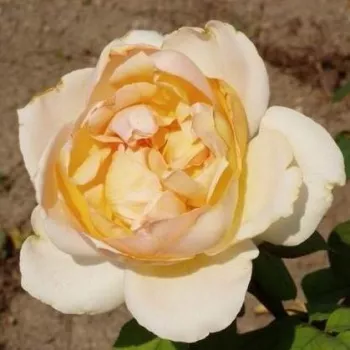
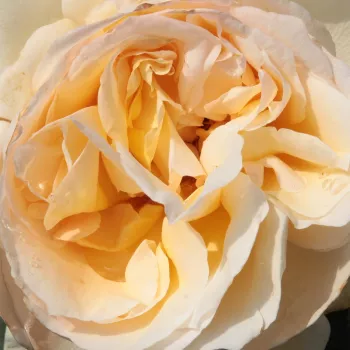
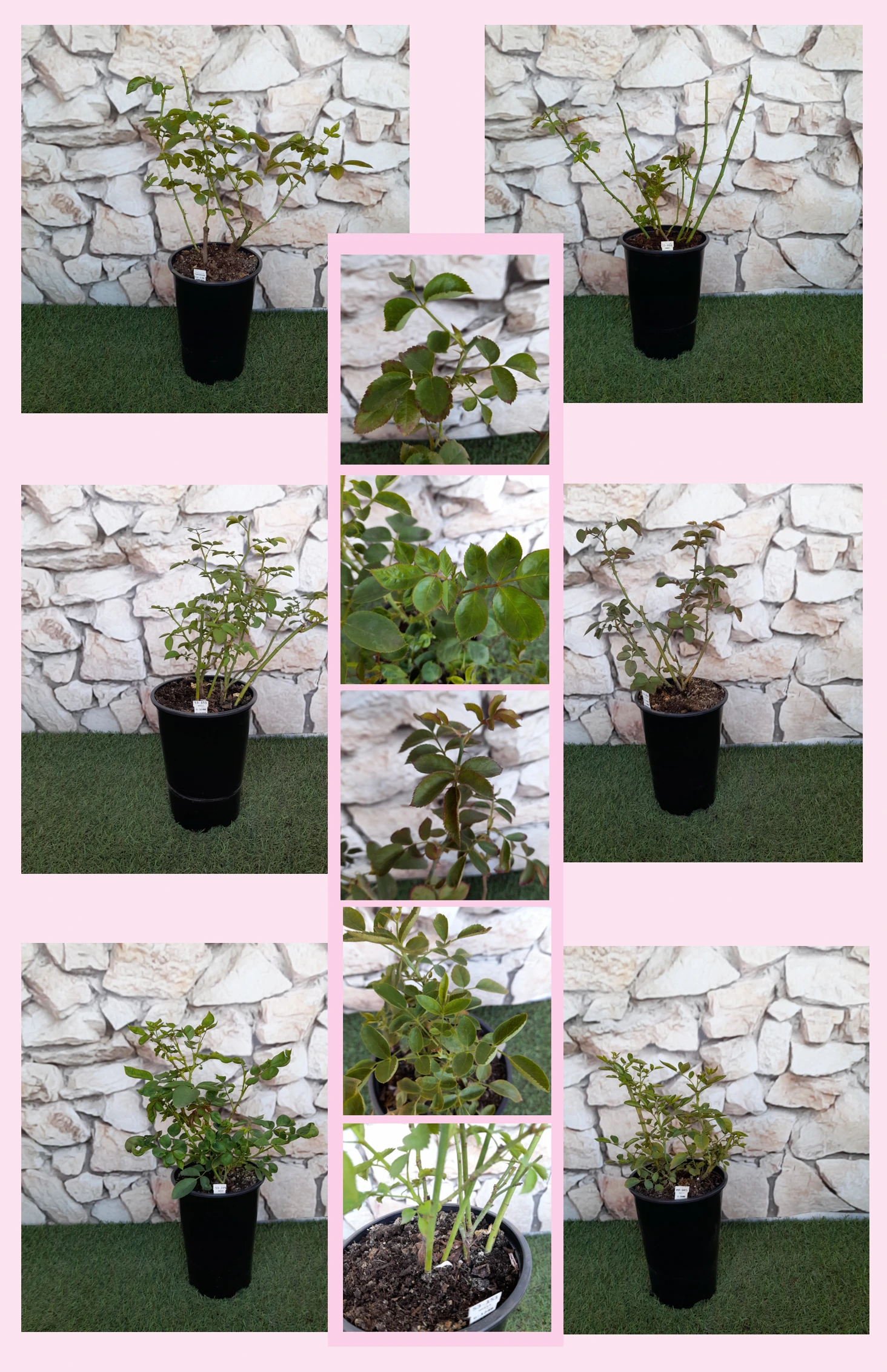
Let TOPAZE ORIENTALE™ bring a sense of soft garden glow to your Irish cottage or front garden: tall, upright stems carry generous, very full blooms in a creamy yellow with a delicate pink halo, perfect for cutting and for admiring on a short stroll in the rain. This classic hybrid tea offers a long season of repeat flowers, producing a second flush that keeps borders cheerful even when summers feel brief and unsettled, and its own‑root form gives reassuring long‑term stability and the ability to regenerate after weather or pruning mishaps. In our wetter, milder climate, simple care routines and thoughtful drainage help it handle periods of strong wind and rainfall, while regular protection keeps foliage in good health, so over time it settles in as a graceful, long‑lived feature for those who enjoy that feeling of relaxed outdoor contentment. As with many own‑root roses, you can expect strong root building in year one, confident framework growth in year two, and full ornamental impact by year three.
Usage options
| Target area |
Reasoning |
| Cottage‑style mixed flower bed |
The tall, upright habit and very full, cream‑yellow blooms with a pink edge give a romantic, “girly” look that suits informal cottage borders. Repeat flowering keeps colour returning through the season, rewarding light, regular care for beginners. |
| Feature rose near the front door |
Planted as a single specimen at about 90 cm clearance, TOPAZE ORIENTALE™ creates an elegant welcome with strongly scented, exhibition‑style flowers at eye level. Own‑root planting supports a long lifespan and reliable structure for homeowners. |
| Cut‑flower row in a family garden |
Large, ball‑shaped blooms on upright stems make it ideal for cutting, so you can enjoy its medium fragrance indoors. Plant in a sunny line with good air flow and straightforward spraying when needed, suiting hobby‑gardeners. |
| Sunny, well‑drained clay border |
In heavier Irish soils, a raised or well‑drained bed helps roots establish and cope with frequent soft rain and overcast days, turning challenging ground into a reliable rose display for clay‑gardeners. |
| Small Dublin front garden hedge |
At 130–170 cm tall and 70–90 cm wide, it can be spaced at around 50 cm to form a loose, elegant flowering line. Repeat blooms add charm to terraced streets while own‑root planting supports long‑term structure for urban‑owners. |
| Large decorative container on patio |
Grown in a 40–50 litre pot with quality compost and careful watering, this rose offers a vertical accent of creamy flowers and scent near seating areas, giving a manageable, easy‑to‑enjoy rose for balcony‑gardeners. |
| Park‑style corner in a private garden |
Used as a specimen in a small “mini‑park” corner with lawn and a bench, its repeat flowering and ornamental hips in autumn provide changing seasonal interest, creating a calm viewing point for nature‑lovers. |
| Paired with soft companion perennials |
Underplanting with Gypsophila, Ceanothus or Campanula softens its upright habit and highlights the pastel blooms; thoughtful spacing and air flow help it handle our damp, mild climate with regular care routines for careful‑gardeners. |
Styling ideas
- CottageCharm – Combine TOPAZE ORIENTALE™ with clustered bellflower and creeping baby’s‑breath in a loose, pastel bed for a storybook Irish cottage feel – ideal for romantic front‑garden owners.
- SunnyWelcome – Place one or three bushes by your front path, edged with low lavender, to greet visitors with tall, creamy blooms and fragrance – perfect for busy urban homeowners.
- CuttingCorner – Dedicate a narrow side bed to a short row of these hybrid teas for reliable cut flowers, interplanted with airy grasses – suited to practical gardeners who love indoor bouquets.
- PastelPatio – Grow a single plant in a 50‑litre terracotta pot with trailing thyme and soft pink annuals around the rim – great for small patios where space is limited.
- ParkRetreat – Create a small seating nook framed by this rose and a backdrop of California lilac, for scented walks and autumn hips – appealing to those seeking a gentle, reflective garden spot.
Technical cultivar profile
| Characteristic |
Data |
| Name and registration |
TOPAZE ORIENTALE™ is a hybrid tea rose, registered as ‘Topaze Orientale’, in the Rós taehibride group, approved for exhibition with the American Rose Society under the same name. |
| Origin and breeding |
Bred by André Delbard‑Chabert in France from ‘Sultane’ × ‘Queen Elizabeth’, introduced and registered in 1965 by Delbard / Georges Delbard SA, reflecting classic mid‑twentieth‑century hybrid tea breeding. |
| Growth and structural characteristics |
Vigorous, upright shrubs reaching around 130–170 cm in height and 70–90 cm in spread, with dense, mid‑green, matt foliage and moderate prickliness; spent flowers usually require manual deadheading. |
| Flower morphology |
Large, solitary, ball‑shaped blooms 7–10 cm across, very full with over 40 petals, remontant with a plentiful second flush, carried mainly singly on stems suited to cutting and exhibition display. |
| Colour data and phenology |
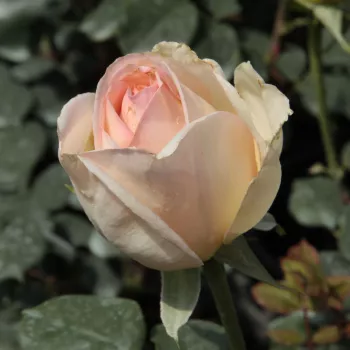
Cream‑yellow flowers with vivid yellow tones and a delicate pink veil; buds butter‑yellow with pink tips, colours softening to pastel as blooms open, with good overall colour retention even in strong sunlight. |
| Fragrance and aroma |
Medium‑strength scent, noticeable when you pass or cut the flowers; precise fragrance notes are undocumented, but it is regarded as clearly perfumed for garden enjoyment and cutting purposes. |
| Hip characteristics |
Produces moderately abundant, egg‑shaped hips about 12–18 mm in diameter, colouring orange‑red and adding autumn ornamental interest if flowers are left un‑deadheaded later in the season. |
| Resistance and winter hardiness |
Hardy to approximately −21 to −18 °C (H7, USDA zone 6b), but with moderate susceptibility to powdery mildew and black spot and high sensitivity to rust, so regular preventative protection is recommended. |
| Horticultural recommendations |
Best in full sun with fertile, well‑drained soil; spacing 50–90 cm depending on use. Needs consistent plant protection and deadheading; own‑root plants suit beds, hedging, specimen use and cut‑flower production. |
TOPAZE ORIENTALE™ rewards patient gardeners with repeat creamy blooms, elegant cutting stems and a long‑lived own‑root framework; consider it if you enjoy classic hybrid tea roses and do not mind regular care.