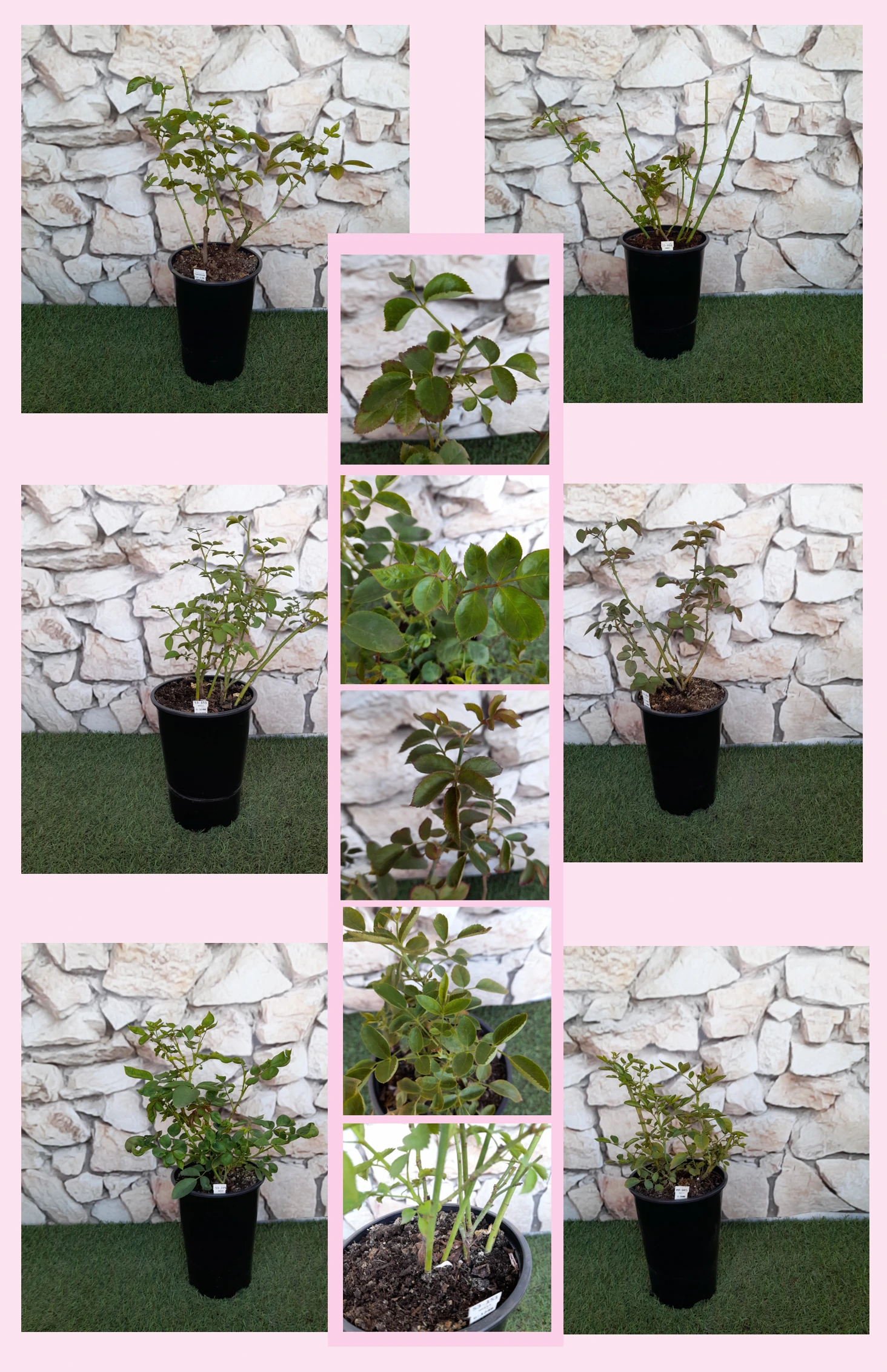
TILT SYMPHONIE – scarlet dwarf-mini rose – Meilland
If you dream of a low, flower-filled rose that sits neatly at the front of a bed or along a Dublin terrace, TILT Symphonie brings masses of petite, scarlet cups on a compact, bushy mound that stays tidy in small spaces. The richly double blooms open in vivid scarlet, softening only slightly towards a mid-red with a faint pink edge, so your planting keeps its cheerful colour focus even during changeable weather and gentle showers drifting in from the Atlantic coast. Its naturally small size is ideal for rockeries, low borders and larger containers, while own-root planting supports a long-lived little shrub that can quietly regenerate from the base. Think in simple steps – roots settling in the first year, bush structure filling out the second, then a fully convincing ornamental display by year three – and this mini rose will reward your patience with long-lasting structure and charm.
Usage options
| Target area |
Reasoning |
| Front of mixed flower bed in a family garden |
The compact 35–45 cm habit forms a low, rounded edge that will not swamp perennials or small shrubs, yet gives a continuous red highlight through the season; easy to enjoy from kitchen windows for busy homeowners. |
| Rock garden or gravel strip near paths |
The dwarf stature and dense foliage suit snug pockets in rockeries or gravelled strips, where its vivid scarlet cups add warmth without taking much root space, ideal for informal cottage-style corners for hobby gardeners. |
| Balcony or terrace container planting (40–50 L) |
In a generous 40–50 litre pot with good drainage, it creates a long-flowering, compact bush that is easy to water and tidy, bringing classic rose charm to small urban spaces for apartment dwellers. |
| Low hedge or edging along a path |
Regular spacing at 25–30 cm allows you to build a neat, low edging line, with uniform height and dense foliage giving a clear boundary that children and pets can easily see for family garden owners. |
| Own-root longevity in a permanent border |
As an own-root plant, it can grow steadily, recover from minor winter damage and keep a balanced shape over many years, offering reliable ornamental value without the worry of graft suckers for long-term planners. |
| Partially shaded front gardens |
Its tolerance of partial shade makes it useful in narrow, street-side plots or east-facing cottage fronts, where morning light and afternoon shade still support repeated blooming for city front-garden keepers. |
| Irish cottage garden with perennials |
The small flower size and intense scarlet colour pair well with airy perennials like Liatris or simple white daisies, and cope well with soft, frequent rain and mild summers that favour repeat flowering for cottage-style gardeners. |
| Structured, low-maintenance small border |
Once established across the first three seasons, it gives a stable, predictable form that is easy to prune lightly and integrate into a simple, repeatable planting rhythm for beginner gardeners. |
Styling ideas
- Scarlet-ribbon – Line a narrow front path with evenly spaced plants for a bright, low hedge that frames the entrance without blocking light – ideal for neat city terraces.
- Rockery-jewels – Dot small groups among grey stone and low alpines so the intense red cups sparkle against foliage and gravel – perfect for lovers of compact rock gardens.
- Balcony-bouquet – Plant three in a single 40–50 L tub with trailing white lobelia to soften the rim, creating an easy-care rose focus for small balconies.
- Cottage-contrast – Mix with soft pink or white perennials such as Liatris ‘Kobold’ and hardy geraniums, letting the vivid scarlet provide a playful, “girly” accent to informal borders.
- Family-border – Use a staggered double row at the front of a mixed shrub border to form a child-height “red wave” that looks tidy from the house and patio.
Technical cultivar profile
| Parameter |
Data |
| Name and registration |
Miniature shrub rose, dwarf commercial type; registered as MEIvraivou, marketed as Tilt Symphonie, SYMPHONIE collection; ARS exhibition name Tilt Symphonie for show and listing purposes. |
| Origin and breeding |
Bred by Alain Meilland for Meilland International in France; parentage not recorded; introduced via Meilland Richardier and Meilland International, year of market release not documented. |
| Growth and structural characteristics |
Bushy miniature shrub reaching about 35–45 cm in height and spread, with dense, glossy dark green foliage and moderate thorns; forms a compact mound well suited to edging and container use. |
| Flower morphology |
Very double, cup-shaped flowers with over 40 petals; small bloom size of 1–4 cm borne in clusters of 1–5 per stem; remontant habit with a notably abundant second flush in suitable conditions. |
| Colour data and phenology |
Uniform, rich scarlet-red colour (RHS 46A outer, 46B inner); buds open deep scarlet, then gently fade to mid-red with pale pink edges while retaining overall intensity through the flowering period. |
| Fragrance and aroma |
Fragrance is very weak and barely noticeable, making it best chosen for colour and flower form rather than scent; not typically used for cutting or perfumed uses, more for visual garden impact. |
| Hip characteristics |
Rose hip set is usually limited because of the very double flower form; when present, hips are bright red, spherical, approximately 5–7 mm diameter, adding a discreet late-season accent. |
| Resistance and winter hardiness |
Hardy to approximately –21 to –18 °C (RHS H7, Swedish Zone 3, USDA 6b); disease resistance is modest, with moderate susceptibility to powdery mildew and black spot, and high susceptibility to rust. |
| Horticultural recommendations |
Best in well-drained soil enriched with compost; regular watering required, especially in dry spells; maintenance level higher due to disease susceptibility, requiring routine monitoring and plant protection. |
Tilt Symphonie offers compact scarlet flowering, versatile use in beds or containers and steady, own-root structure over the years, making it a thoughtful choice for brightening smaller Irish gardens.