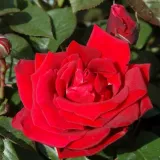
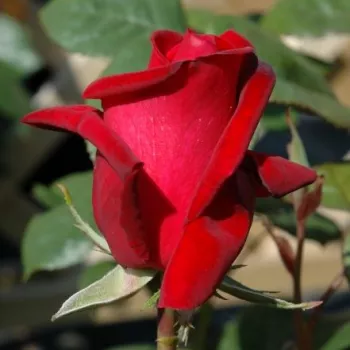
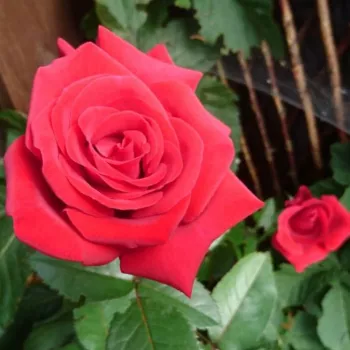
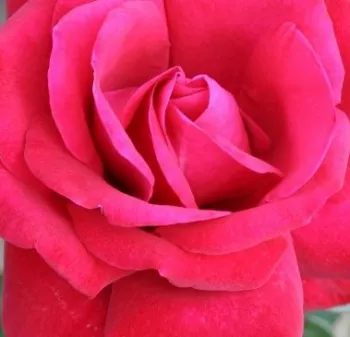
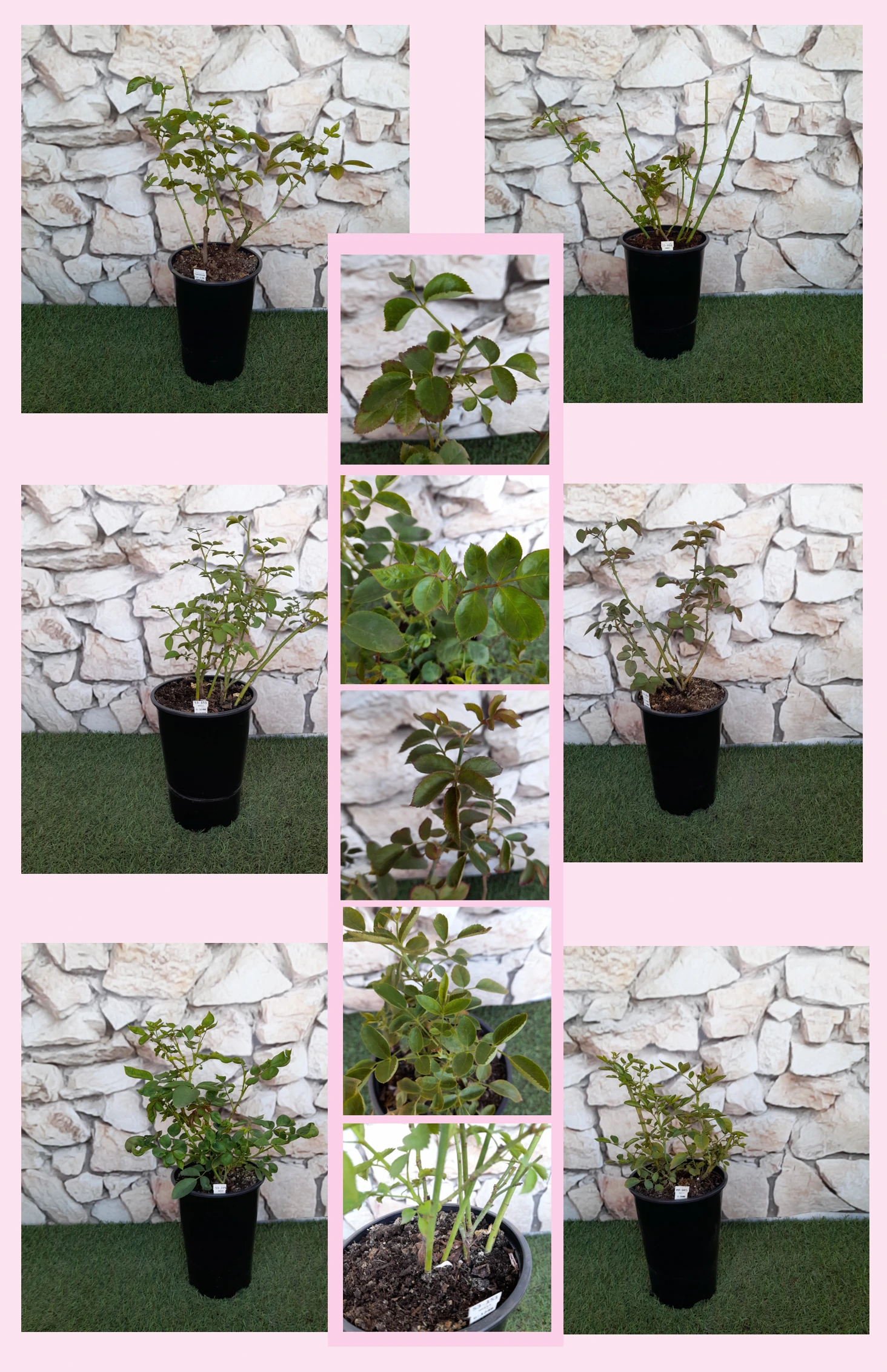
Maria Teresa – light pink floribunda bedding rose
If You dream of a softly romantic, “girly” rose that still suits a busy life, Maria Teresa wraps Your front or cottage garden in gentle, light-pink blooms from early summer right into autumn, even when days are cool and the evenings draw in. This compact, floribunda shrub repeats reliably, giving wave after wave of medium-sized, cup-shaped flowers that almost glow with a porcelain sheen and a delicate, fruity-honey fragrance. Its tidy, rounded habit sits beautifully in small Irish beds or along a Dublin terrace path, while own-root plants promise a long-lived, regenerating clump that settles in steadily and copes well with our soft light and frequent showers gently freshening the pastel petals.
Usage options
| Target area |
Reasoning |
| Front garden focal point |
Planted as a single shrub by the gate or beside the front door, its compact growth habit and medium height create a welcoming, feminine accent without blocking views or paths; ideal for a neat, easy-to-manage highlight for the fragrance-loving beginner homeowner |
| Cottage-style flower bed |
In a mixed border with airy perennials, the steady repeat flowering and long season keep colour going between other plants’ peaks, giving that informal, cottage feel with very little weekly effort beyond light deadheading for the busy weekend gardener family |
| Low flowering hedge |
Spacing plants at about 35–40 cm creates a softly billowing, light-pink edging that defines paths or lawn while remaining low enough to feel friendly rather than formal, perfect for those wanting structure and romance in a modest-sized suburban plot couple |
| Own-root long-term planting |
As an own-root rose, it builds strength steadily below ground, then above, supporting a long life and reliable shape with no need to worry about graft failure or rootstock shoots, suiting anyone who wants a dependable shrub that simply matures in place planner |
| Year-by-year garden development |
In the first year it quietly focuses on roots, in the second it thickens up its framework and flowering, and by the third year it settles into its full ornamental value, ideal for patient gardeners happy to watch their planting deepen over time observer |
| Partial-shade side garden |
Handling light, shifting shade along walls or between houses, it still flowers well provided soil is improved and drainage managed, helping soften those awkward Irish side strips where moisture lingers after rain and sun only reaches for part of the day urbanite |
| Large patio container planting |
In a generously sized container of at least 40–50 litres with good drainage, its compact stature and rounded form suit small terraces or balconies, offering repeated flushes of scented bloom close to seating areas for those without a true in-ground bed apartment-dweller |
| Colour anchor in family beds |
Its consistent, light-pink colouring that fades to near white with a silvery veil anchors softer planting schemes, tying together blues, whites and herbs into a calm palette, helpful for families wanting a harmonious, low-fuss backdrop to everyday outdoor life beginners |
Styling ideas
- Cottage-Romantic Edging – Line a path with Maria Teresa backed by threadleaf coreopsis and low grasses for a frothy, pastel border – for families wanting a storybook entrance.
- Soft City Welcome – Place one rose each side of a Dublin terrace step in large terracotta pots with trailing thyme – for urban gardeners seeking gentle formality.
- Pastel Herb Mix – Combine with rosemary and pale nepeta in a sunny bed to blend fragrance and subtle pink bloom – for cooks who love scented, useful planting.
- Calm Pink Focus – Use a small trio in a square bed as a simple repeating motif to structure a compact garden – for beginners preferring clear, easy shapes.
- Romantic Lawn Island – Create a tiny island bed with Maria Teresa at the centre, underplanted with white flowering groundcovers – for homeowners wanting impact from a single, manageable feature.
Technical cultivar profile
| Parameter |
Data |
| Name and registration |
Floribunda bedding rose, shrub rose; registered as LENmacra, trade name Maria Teresa; ARS exhibition name Maria Teresa; collection: bedding rose, commercial group Rósra bhláthchlóis. |
| Origin and breeding |
Bred by Louis Lens in Belgium, 1982; parentage unknown. Introduced and registered in 1984 by Lens Roses (Belgium) as LENmacra, later distributed through European garden rose collections. |
| Awards and recognition |
Received 5th prize at the Baden bei Wien Austrian Rose Trial in 1991, indicating valued garden performance and ornamental appeal in Central European test conditions. |
| Growth and structural characteristics |
Compact, bushy shrub 60–85 cm tall, 50–70 cm wide, moderately thorny with mid-green, slightly glossy foliage of medium density; moderate self-cleaning, occasional deadheading recommended. |
| Flower morphology |
Large, 7–10 cm double, cup-shaped clusters (corymbs) with 26–39 petals; floribunda-style flowering with remontant habit, producing generous repeat flushes after the main early-summer display. |
| Colour data and phenology |
Delicate light-pink (RHS 65D–65C, ARS lp) with pearlescent effect; buds open pastel pink, then fade towards white with a fine silvery veil; colour retention very good in typical garden conditions. |
| Fragrance and aroma |
Moderate, noticeable scent combining delicate fruity and honey notes; pleasant at close range along paths, seating areas or doors where air movement carries the perfume gently. |
| Hip characteristics |
Rose hips form only sparsely due to the full, double flowers; occasional small, spherical red hips 6–10 mm in diameter may appear, offering subtle autumn interest without heavy seeding. |
| Resistance and winter hardiness |
Hardy to about –21 to –18 °C (H7, USDA 6b, Swedish Zone 3). Disease tolerance moderate to low: prone to powdery mildew and black spot, very sensitive to rust; regular protection advised. |
| Horticultural recommendations |
Best in improved, well-drained soil with regular feeding and watering during dry spells; suitable for beds, parks and specimen use, spaced 35–65 cm apart depending on hedge, mass or solitary planting. |
Maria Teresa offers compact growth, long repeat flowering and gentle fragrance on practical own-root plants that will settle in for years, making it a thoughtful choice if You wish for lasting, soft-pink charm in Your garden.