THÉRÈSE BUGNET – pink park rose
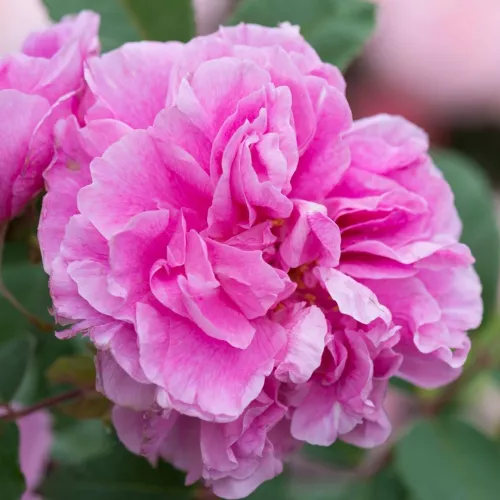
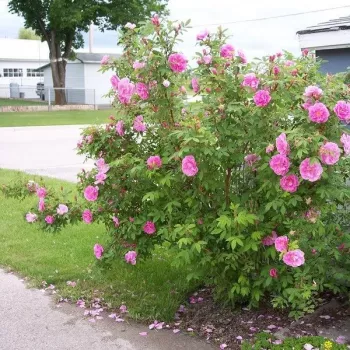
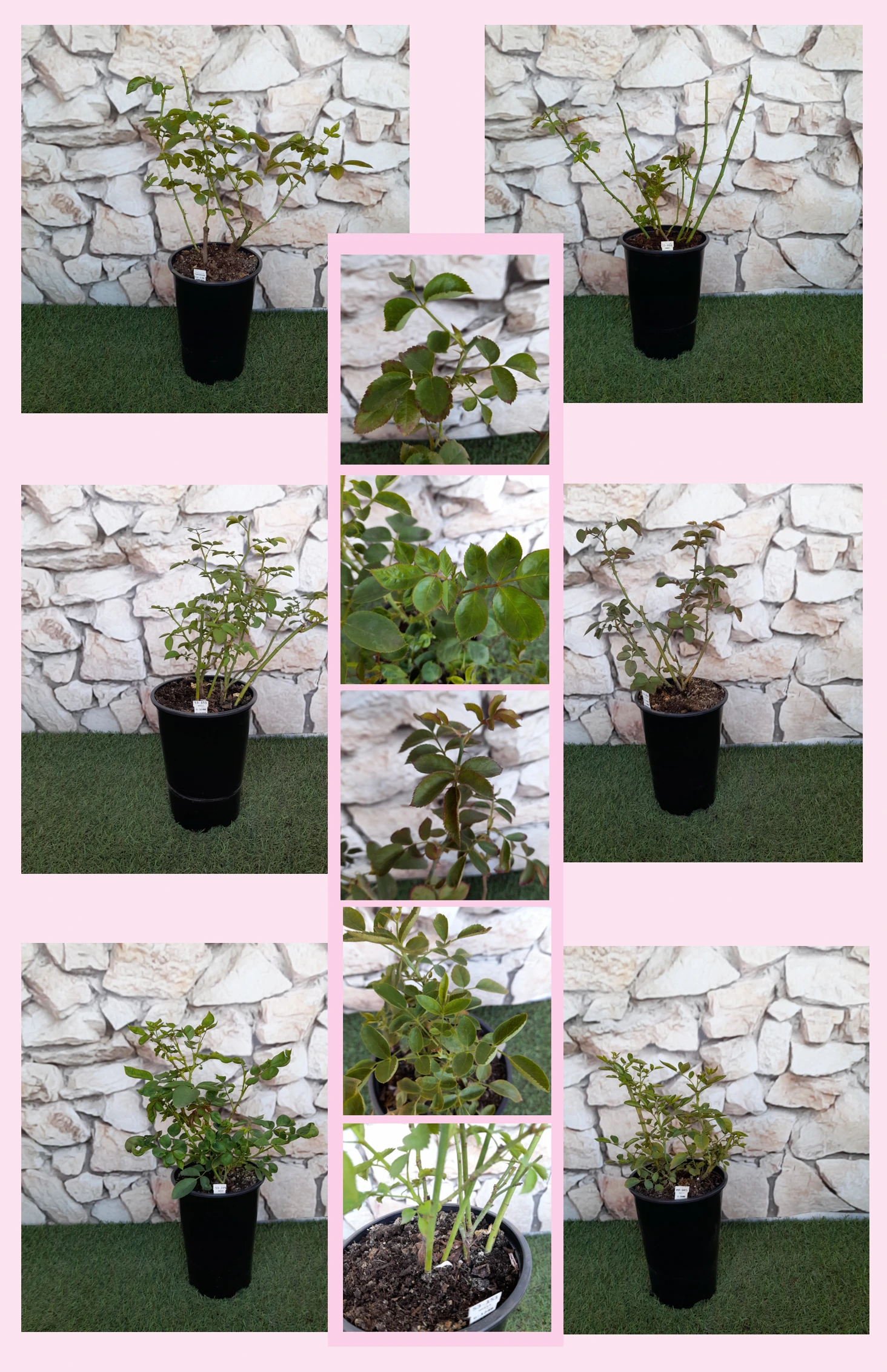
Step out the back door after a shower and breathe in the fragrance of THÉRÈSE BUGNET: a strongly scented, spicy-fruity shrub rose that feels made for soft Irish light and breezy evenings. Its Hybrid Rugosa background gives reassuring hardiness and disease resistance, so You spend more time enjoying flowers than tackling problems, even where summers are cool and damp with frequent showers and salt-tinged winds from the Atlantic. The bushy, hedge-forming habit and slightly thorny stems create a romantic, old-fashioned screen for cottage paths or Dublin front gardens, while the long, remontant flowering season brings waves of mid-pink, cupped blooms that slowly fade to almost white at the centre. As an own-root plant it establishes steadily and endures for decades: roots in the first year, strong shoots in the second, and full ornamental value by the third, giving lasting security and low-effort charm for busy households.
Usage options
| Target area |
Reasoning |
| Cottage-style mixed flower bed |
The bushy, dense growth and generous, cupped pink flowers bring instant cottage character to small and medium beds, mixing easily with perennials and grasses without demanding expert care, perfect for fragrance-loving beginners and hobby-gardeners. |
| Low-maintenance flowering hedge |
With a spread of 110–180 cm and recommended hedge spacing around 85 cm, this variety knits into a soft, slightly thorny screen that needs only occasional pruning to stay tidy, ideal for privacy-seeking homeowners. |
| Solitary specimen in lawn or gravel |
Planted at about 155 cm from other shrubs, it forms a handsome, dark-green mound carrying waves of mid-pink blooms and occasional orange-red hips, offering long-season interest for design-conscious urbanites. |
| Part-shade side garden or north-facing spot |
Suitable for partial shade, it keeps flowering and holds its colour where many roses fade, making use of tricky side passages and overshadowed corners for time-poor beginners. |
| Cut-flower rows or scented corner |
Large, 7–10 cm double flowers with strong, spicy-fruity perfume are excellent for nostalgic indoor arrangements, while the robust shrub recovers well from cutting, pleasing fragrance-focused buyers. |
| Coastal or exposed garden edge |
The Hybrid Rugosa heritage gives resilience to wind and weather, so it copes with breezy, damp Irish gardens and the cool, rainwashed summers near the Atlantic, reassuring long-term oriented gardeners. |
| Family-friendly, low-input planting |
High resistance to black spot, powdery mildew and rust keeps foliage healthy with minimal spraying, while own-root growth means easy regeneration after damage, suiting busy family-garden owners. |
| Large container on terrace or front step |
In a 40–50 litre or larger pot with good drainage and regular watering, its compact yet full habit and repeated flowering create a welcoming focal point by the front door for style-conscious city residents. |
Styling ideas
- Cottage-Romantic – Underplant with tall phlox and airy grasses for a nostalgic, soft-focus look – ideal for cottage-garden dreamers.
- Front-Door Welcome – Use a single shrub in a large container flanked by evergreen St John’s wort for year-round structure – perfect for compact Dublin terraces.
- Rugosa-Hedge – Plant in a loose line along a boundary, mixing in switchgrass for movement and winter texture – suitable for privacy-seeking families.
- Scented-Nook – Place near a bench or path bend so the strong perfume can be enjoyed on evening walks – great for fragrance enthusiasts.
- Pastel-Border – Combine with soft blues, whites and ornamental grasses to echo its fading pink-to-white blooms – appealing to colour-conscious planners.
Technical cultivar profile
| Parameter |
Data |
| Name and registration |
Shrub, Hybrid Rugosa park rose; trade name THÉRÈSE BUGNET, also listed as Park - shrub rose Bugnet; unregistered cultivar used widely in gardens and landscape projects. |
| Origin and breeding |
Bred by Georges Charles Julius Bugnet in Canada, 1941, from Rosa rugosa seedling × ‘Betty Bland’; introduced 1950, exact original distributor unknown, selection valued for toughness. |
| Awards and recognition |
Holds the Royal Horticultural Society Award of Garden Merit, confirming strong garden performance, reliability and decorative value under a range of ordinary garden conditions. |
| Growth and structural characteristics |
Bushy shrub with dense, matte dark-green foliage, slightly thorny stems, height 130–200 cm and spread 110–180 cm; forms informal hedges or substantial specimens in beds and borders. |
| Flower morphology |
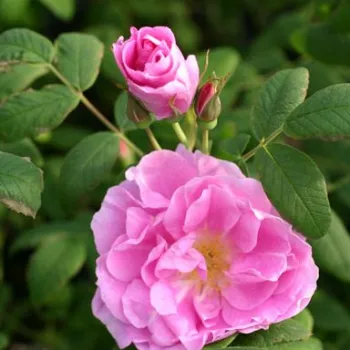
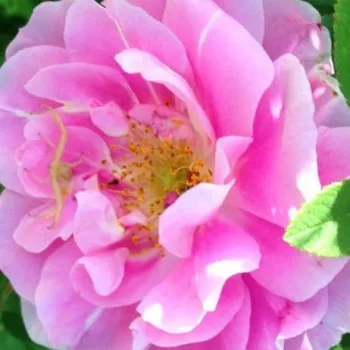
Large, 7–10 cm double, cupped blooms with 26–39 petals, produced in clusters; remontant with a strong initial flush and lighter repeat later in the season, especially in good conditions. |
| Colour data and phenology |
Mid-toned warm pink (ARS MP; RHS 68C outer, 68D inner) buds open deep, then fade to pastel pink and almost white centres, colour softening in sun while maintaining attractive, romantic tones. |
| Fragrance and aroma |
Strong, distinctive scent combining classic rose notes with spicy-fruity nuances; fragrance carries well in still air, making it suitable for seating areas and cutting for scented rooms. |
| Hip characteristics |
Occasionally sets ovoid orange-red hips, 14–22 mm diameter, adding late-season interest; hip production is variable as many spent blooms may be removed for tidiness or repeat flowering. |
| Resistance and winter hardiness |
Very hardy shrub, rated to about −46 to −43 °C (USDA 2a, RHS H7, Swedish zone 7); good heat and moderate drought tolerance, resistant to black spot, powdery mildew and rust. |
| Horticultural recommendations |
Plant in well-drained soil, spacing 85–155 cm depending on use; tolerates partial shade; low-maintenance with occasional pruning, mulching and feeding for best flowering and long-term shape. |
THÉRÈSE BUGNET offers strong fragrance, reliable health and long-lived own-root vigour, making it a thoughtful choice if You value a beautiful rose that will quietly earn its place over many seasons.