TAXANDRIA – cream-coloured park rose - Vissers
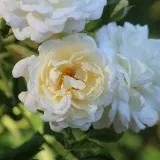
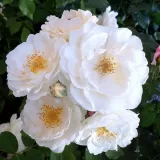
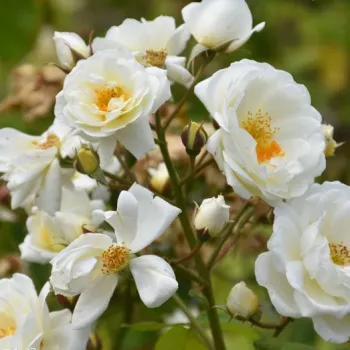
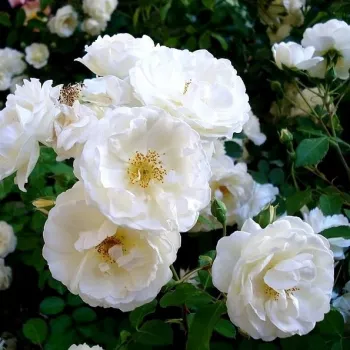
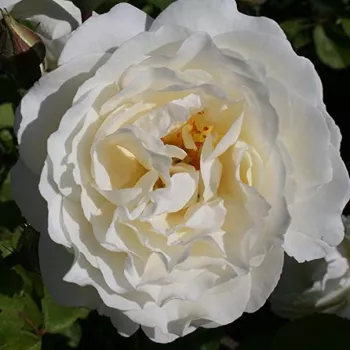
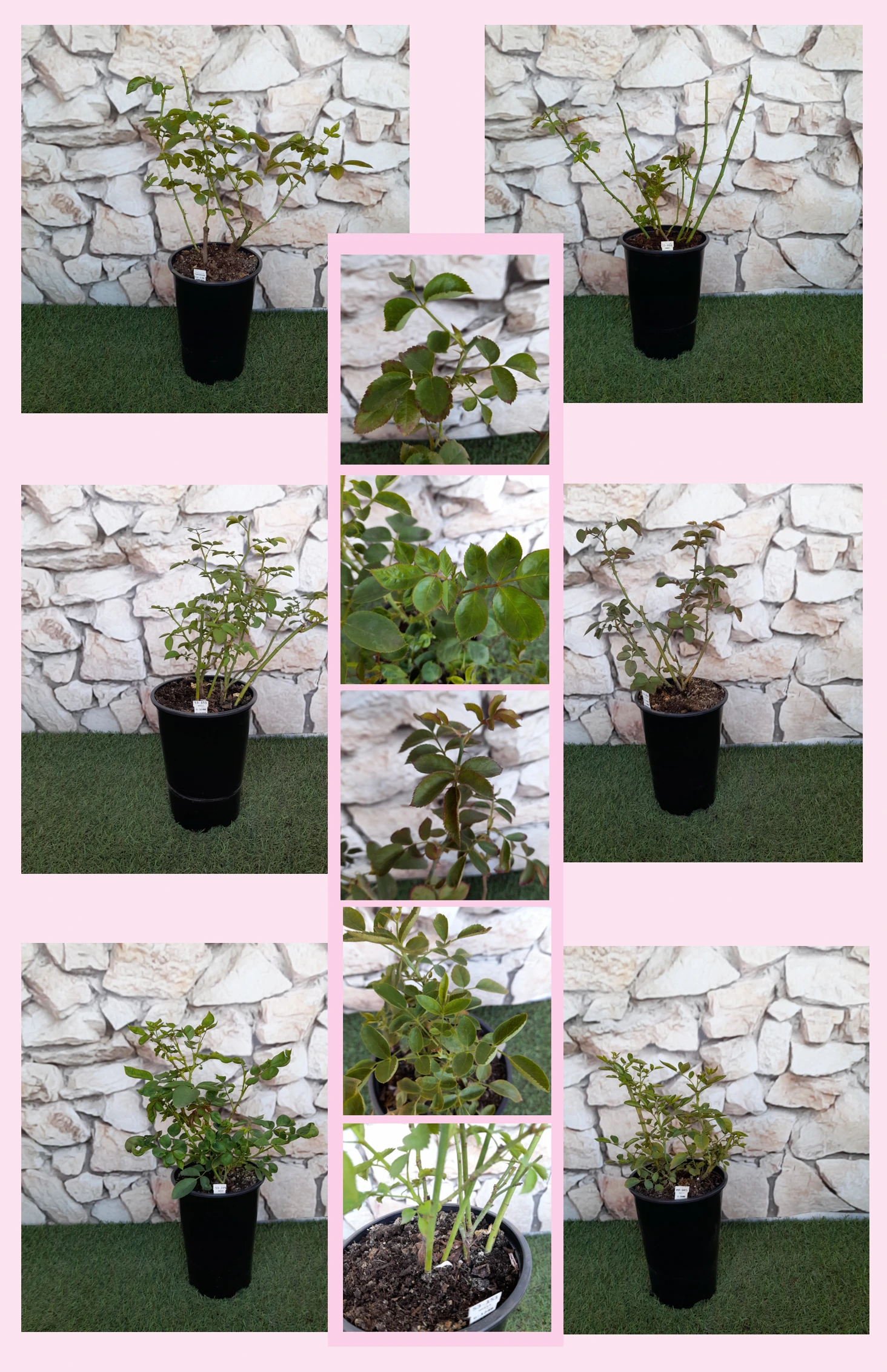
Stroll out to meet the softly glowing cream blooms of Taxandria and enjoy a light, honeyed fragrance that brightens even a grey day in your Irish garden. This Hybrid Musk shrub rose carries sprays of semi-double flowers that are irresistible to pollinators, creating gentle movement and life around a cottage-style path or a neat Dublin terrace. Bred for generous, repeat flowering, it produces wave after wave of near-snow-white clusters, settling comfortably even where gardens face brisk, moist Atlantic breezes and cool summers. Own-root planting supports long-term longevity, reliable regrowth after hard pruning, and stable shape. In the first year it concentrates on strong roots, in the second on bushing shoots, and by the third it reveals its full, airy ornamental presence.
Usage options
| Target area | Reasoning |
|---|
| Informal cottage-style flower bed |
Taxandria’s upright, bushy habit and airy clusters of semi-double blooms give an effortless “girly” cottage feel, weaving between perennials without looking stiff or formal, well suited to relaxed, nature-friendly hobby gardeners. |
| Light, romantic hedge along a front boundary |
Planted at the recommended hedge spacing, Taxandria forms a soft, semi-transparent screen with repeat flowering, ideal where you want privacy without losing light, particularly appreciated by design-conscious terraced-home owners. |
| Specimen rose in a small to medium family lawn |
Used as a solitary shrub at wider spacing, its wide spread and continuous flowering season create a bright focal point that looks good from windows and patios, appealing to busy homeowners. |
| Urban planting with pollinator interest |
The open, semi-double flowers with exposed stamens offer easy access to nectar and pollen, so beds beside pavements and driveways can support bees and hoverflies, attractive to nature-oriented city gardeners. |
| Mixed shrub border in heavy Irish clay |
With good rootroom, mulching and improved drainage, Taxandria settles into clay-based borders and provides structure and height among lower perennials, rewarding patient beginners. |
| Part-shaded side garden or gable end |
This shrub tolerates partial shade, so you can brighten east- or west-facing walls with creamy clusters that still flower reliably, making it practical for space-limited urban households. |
| Large container on terrace or paved area |
Grown in a 40–50 litre pot with free-draining compost, it offers roses to those without beds, and its own-root nature means it recovers well from occasional neglect, reassuring time-poor balcony owners. |
| Airy, meadow-inspired planting strip |
Combined with light grasses and perennials, Taxandria fits an open, breezy planting style that still flowers dependably in cool, damp conditions with softly filtered light, ideal for creative garden stylists. |
Styling ideas
- Cottage-Romantic Border – Mix Taxandria with low catmint and baby’s breath for a frothy, pastel edge along a path – perfect for lovers of classic Irish cottage gardens.
- Soft Front-Hedge Line – Create a loose hedge backed by switchgrass ‘Sangria’ to add movement and autumn texture – suited to homeowners wanting a gentle boundary rather than a hard fence.
- White-and-Green Calm – Combine with glossy evergreen shrubs and white perennials for a cool, restful palette – ideal for those seeking a quiet, elegant front garden.
- Pollinator Strip – Thread Taxandria through herb and wildflower bands near driveways or paths to draw bees where you pass daily – appealing to families keen on wildlife-friendly design.
- Container Feature – Grow a single shrub in a 50 litre terracotta pot with trailing lavender or thyme at the base – a good option for small paved spaces or rented homes.
Technical cultivar profile
| Property | Data |
|---|
| Name and registration |
Hybrid Musk shrub rose, registered as VIScampina and marketed as Taxandria; park-type shrub, approved exhibition name Taxandria in the American Rose Society system. |
| Origin and breeding |
Bred by Martin Vissers in Belgium from Echo × Alden Biesen, introduced by Viva International BVBA in 2009, representing a modern Hybrid Musk-style park shrub rose. |
| Awards and recognition |
Highly decorated shrub rose with multiple gold medals at Baden-Baden and Monza, Rose of the Year at Monza 2013, plus an Excellence Roses certificate in the 2019–2020 period. |
| Growth and structural characteristics |
Upright, bushy shrub reaching about 110–170 cm tall and 90–150 cm wide, with dense, glossy dark green foliage and moderate prickliness, ideal for hedges, beds and specimen use. |
| Flower morphology |
Semi-double, cup-shaped flowers with 13–25 petals, 4–7 cm across, borne in clusters; remontant with abundant second flush, presenting a light, open bloom form on well-branched stems. |
| Colour data and phenology |
Buds open from buttery yellow to pale cream-white, ARS white group, RHS 11D outer and 155D inner; colour fades to near-snow-white yet remains fresh, though overall colour retention is rated as poor. |
| Fragrance and aroma |
Soft, sweet fragrance with a gentle honeyed character; not overpowering but present on warm, still days, adding a light scent backdrop for seating areas without dominating nearby plants. |
| Hip characteristics |
Produces moderate numbers of small, spherical red hips about 6–10 mm across, adding subtle late-season interest and some wildlife value without heavily weighing down the branches. |
| Resistance and winter hardiness |
Fully hardy to around −26 to −23 °C (H7, USDA 5b) but highly susceptible to black spot, mildew and rust, so regular preventative treatments and good airflow are essential for reliable performance. |
| Horticultural recommendations |
Best in enriched, well-drained soil with mulching; allow generous spacing for air circulation, water during dry spells, and follow consistent fungicide programmes, especially in damp, disease-prone climates. |
Taxandria Park - shrub rose VIScampina offers creamy, repeat-flowering clusters, gentle fragrance and good pollinator appeal, and as an own-root shrub it promises stable, long-lived beauty worth considering for your garden.