TANKLEWI® – pink climber (rambling rose) - Tantau
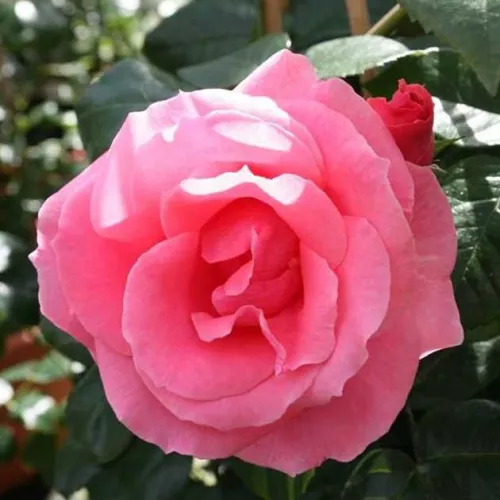
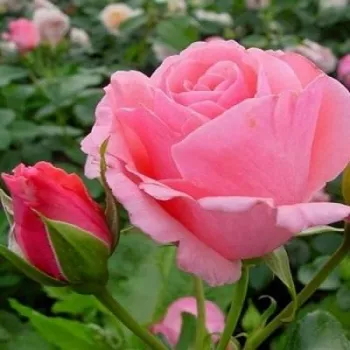
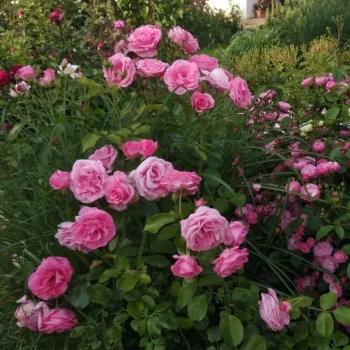
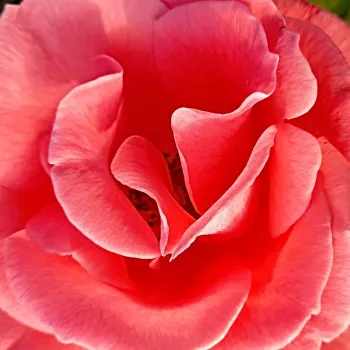
Bring a sense of romantic ease to your garden with Tanklewi®, a generously flowering pink climber that turns walls, arches and fences into soft, cottage-style backdrops. Large, cupped blooms open a rich mid-pink, gently fading to pastel tones that feel right at home in Irish light, even on soft grey days. The strong, sweet, fruity fragrance drifts along paths and over small terraces, offering cheerful contentment on every short outdoor stroll. Own-root plants build strength steadily, rewarding you with reliable regrowth and a long, stable lifespan, even after tougher winters. Over time the sturdy climbing growth covers structures well, while glossy dark foliage brings a lush screen that suits both cottage borders and Dublin terrace fronts, coping calmly with frequent showers and cool summers that favour repeat flowering through the season.
Usage options
| Target area |
Reasoning |
| Rose arch at a cottage-style entrance |
Long, flexible climbing canes and abundant, large double flowers create a welcoming arch that frames the front door beautifully. The sweet, fruity perfume lingers at nose height, perfect for everyday comings and goings for the fragrance-lover. |
| Family seating area or small patio screen |
Dense, dark green foliage and a tall habit form a soft, living screen around a terrace or patio, adding privacy without feeling heavy. Repeating flushes of pink bloom keep the view lively over summer for the busy homeowner. |
| Dublin terraced-house front garden wall |
This climber clothes narrow front boundaries with layered, pastel-pink clusters that look refined yet relaxed. Moderate maintenance suits those who can dead-head now and then but do not want complicated care for the urban gardener. |
| Pergola or walkway in a family back garden |
With height up to around 4 m and good spread, Tanklewi® softens pergola beams and side posts, casting dappled shade and filling the air with a sweet scent during repeated summer flowering for the family host. |
| Own-root long-term feature on a sturdy fence |
As an own-root rose, it builds a strong framework that can regenerate from the base if canes are damaged, giving reliable cover and bloom for many years without needing graft management for the long-term planner. |
| Clay-soil garden with improved drainage |
Once planted into well-prepared, free-draining clay with organic matter, the robust root system settles in, then from year to year the plant moves from root establishment to strong shoots and finally a full curtain of blossom for the patient beginner. |
| Lightly shaded cottage border backdrop |
Suitability for partial shade lets you brighten east- or west-facing walls and corners where other climbers may sulk, keeping flowers and foliage reasonably healthy with just moderate protection when needed for the shade-challenged. |
| Romantic, fragrant cut-flower source |
Large, cupped, double blooms with strong, sweet fragrance make charming indoor arrangements. Repeating flushes mean you can cut generously while the plant still keeps the garden display going through summer for the creative decorator. |
Styling ideas
- Cottage Archway – Train Tanklewi® over a metal or timber arch with Gypsophila repens at the base to spill soft white froth, framing a gravel path – ideal for romantic cottage-garden enthusiasts.
- Terraced Screen – Cover a front-garden railing or low wall, underplanting with dwarf bearded iris and scabious for contrasting texture and form – suited to style-conscious city homeowners.
- Perfumed Pergola – Let canes run along a pergola beam above a seating area, pairing with scented summer annuals in large 40–50 litre pots – perfect for evening entertainers.
- Pastel Backdrop – Use Tanklewi® as a tall, pink backdrop behind mixed herbaceous borders, echoing its tones with soft mauve and white perennials – great for relaxed, nature-leaning gardeners.
- Family Photo Corner – Create a rose-covered fence panel with a bench below, combining Tanklewi® with airy baby’s breath for a photogenic family snapshot spot – appealing to memory-making families.
Technical cultivar profile
| Parameter |
Data |
| Name and registration |
Climbing, large-flowered rose marketed as TANKLEWI® – pink climber, registered as TANklewi, also known in exhibitions as ‘Lawinia’, classified as Rós dreapadó. |
| Origin and breeding |
Bred by Mathias Tantau Jr., Rosen Tantau, Germany, with parentage unknown; introduced and registered in 1980 and distributed commercially by Rosen Tantau. |
| Growth and structural characteristics |
Vigorous climbing habit, typically 250–400 cm tall with 150–260 cm spread; dense, glossy dark green foliage on moderately thorny canes gives strong coverage of supports. |
| Flower morphology |
Large, 7–10 cm, cup-shaped, double blooms with 26–39 petals, usually borne in clusters; remontant, with a particularly generous second flush following the main early-summer flowering. |
| Colour data and phenology |
Mid-deep pink with subtle coral tones, ARS PB; buds medium-deep pink (RHS 57C), centres richer (62D), fading to softer pastel pink with lightened petal edges as the flower matures. |
| Fragrance and aroma |
Strong, pronounced scent with fruity, sweet notes typical of classic garden roses; perfume is evident in still air and effective for cutting, especially when blooms are freshly opened. |
| Hip characteristics |
Occasional spherical hips, 10–15 mm across, coloured orange-red (RHS 42A); generally incidental to the ornamental value, as the main focus is on the repeated flowering display. |
| Resistance and winter hardiness |
Hardy to around −21 to −18 °C (USDA 6b, RHS H7); good heat tolerance if watered in prolonged drought; disease resistance medium overall, with good black spot resistance but some mildew and rust risk. |
| Horticultural recommendations |
Plant 190–320 cm apart depending on use, allowing 0.3 plants/m²; thrives in improved, well-drained clay or loam, in sun or light shade; moderate maintenance, occasionally needing plant protection and dead-heading. |
TANKLEWI® offers romantic pink clusters, strong fruity fragrance and long-lived own-root reliability, making it a graceful choice for arches, walls or fences if you enjoy easy-going, rewarding roses.