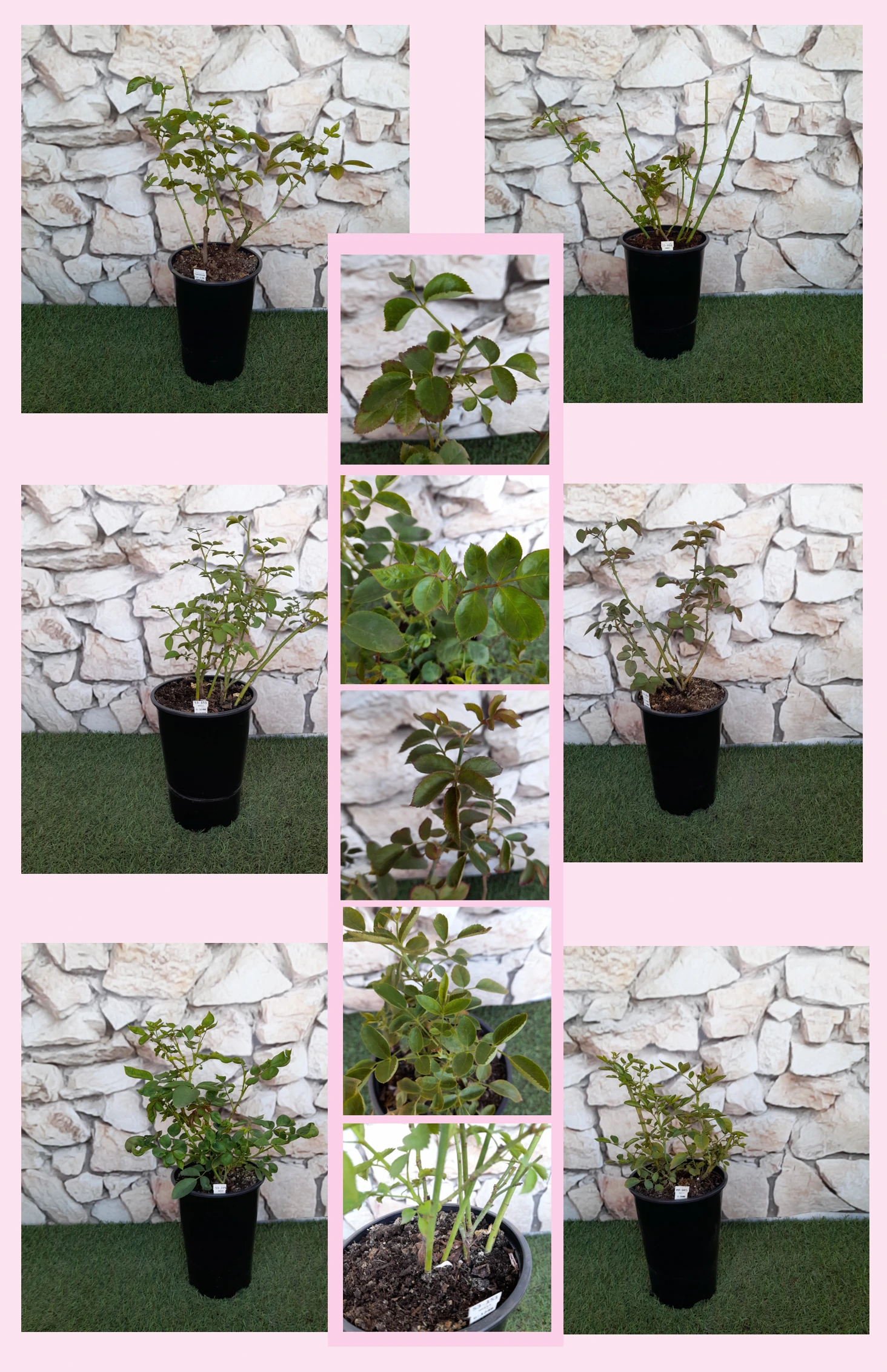
TANDINADI – yellow bedding floribunda rose
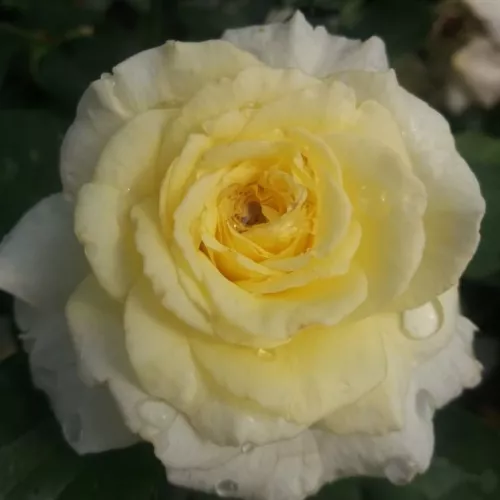
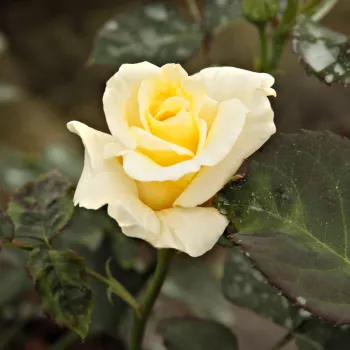
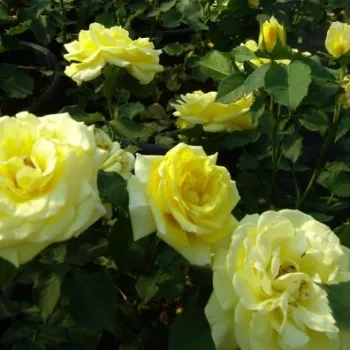
Imagine stepping outside for a brief stroll after summer showers, soft Irish light catching the yellow blooms of Diana® as they glow against fresh green foliage, their pompon clusters bringing a note of cheerful charm to even the smallest cottage or city front garden. This upright floribunda settles in reliably, coping well with our cool, damp seasons and the kind of rainfall that can flatten fussier plants, so You enjoy flowers without complicated routines. Own-root plants build strength steadily below ground, rewarding You with increasingly generous displays above; roots in the first year, more confident shoots in the second, and full garden character by the third. Semi-double flowers offer an inviting, softly fragrant landing for bees, while a long season of clusters keeps borders lively from early summer well into autumn. Whether You slip it into a mixed bed, line a short path or pot it up in a generous 40–50 litre container, this medium-height, upright variety provides lasting, easy-going structure and colour that suits a relaxed, slightly girly Irish cottage style.
Usage options
| Target area |
Reasoning |
| Front of mixed cottage border |
Clusters of medium-sized yellow blooms repeat reliably, keeping a soft, romantic focus at the front of the bed without overwhelming the space, while moderate height adds gentle structure for relaxed cottage layouts – ideal for beginners and busy homeowners |
| Small Dublin terraced front garden |
The upright, compact habit fits neatly into tight spaces, offering cheerful colour and tidy green foliage along a short path or railings, with own-root resilience helping it recover from urban knocks and occasional neglect – ideal for low-maintenance city gardeners |
| Mass bedding in family garden |
Regular flowering across the season makes it perfect for repeated group planting at 50–60 cm, forming a consistent yellow band that remains attractive year after year as own-root plants mature and stabilise ornamental value – ideal for long-term garden planners |
| Large container on patio or balcony |
In a 40–50 litre pot, its moderate size and upright habit give a strong vertical accent without becoming leggy, and own-root growth rebuilds from the base after winter or wind damage, supporting an easy-care, moveable display – ideal for container-focused urban dwellers |
| Pollinator-friendly corner near seating |
Semi-double blooms with accessible stamens give moderate support to bees while still looking refined, so You can enjoy gentle movement and life around a bench or bistro set without a wild-meadow feel – ideal for nature-oriented flower lovers |
| Low informal hedge along path |
Planted at about 50 cm centres, the upright shrubs knit into a soft-edged, low barrier that guides the eye and feet, with repeat-flowering clusters brightening everyday walks even in cool, damp summers with frequent soft rain – ideal for pathway-conscious homeowners |
| Standard (tree-form) focal point |
When grafted as a standard, the steady repeat flowering and medium-pompon form make an elegant lollipop of yellow over a clear stem, giving long-lived structure to beds or lawn islands as the own-root baseplant remains reliable – ideal for statement-seeking gardeners |
| Family play garden border |
Moderate height and reasonably dense, glossy foliage frame lawns and play areas without creating overpowering thickets, while the long flowering stretch keeps the garden interesting for children and visitors all season – ideal for child-friendly family gardens |
Styling ideas
- Cottage-Ribbon – weave TANDINADI through a border with dwarf lavender and Mexican daisy for a soft, feminine cottage look that flowers for months – perfect for relaxed romantic gardeners
- Sunlit-Front – line a short terraced-house path with evenly spaced plants to create a cheerful yellow welcome that asks little more than occasional pruning – suitable for busy city homeowners
- Patio-Focus – plant one shrub in a 50 litre terracotta pot with low sedges at the base for tidy texture and easy seasonal care – ideal for balcony and patio growers
- Golden-Drift – mass three to five plants in front of a dark green hedge so the repeating clusters read as one soft yellow cloud – great for structure-loving beginners
- Family-Edge – mix with low ornamental grasses along a lawn edge to create a friendly, not-too-spiky boundary that still looks good on busy weeks – aimed at young family gardeners
Technical cultivar profile
| Characteristic |
Data |
| Name and registration |
Floribunda bedding rose; registered as TANdinadi, marketed as Tandinadi Bedding rose TANdinadi, exhibition name Diana®, part of the Rósra bhláthchlóis group for garden and bedding use. |
| Origin and breeding |
Bred by Mathias Tantau Jr., Rosen Tantau, Germany; breeding work dated to 1977 in France, registered 1977 and introduced 1978, distributed initially by Rosen Tantau in European markets. |
| Growth and structural characteristics |
Medium-height upright shrub, about 70–100 cm tall with 55–85 cm spread; moderately dense, glossy mid-green foliage, moderately thorny stems, suitable for bedding, hedging and standard forms. |
| Flower morphology |
Semi-double, ball to pompon-shaped clusters, 13–25 petals, flower diameter around 4–7 cm; remontant with abundant first and second flushes, carried in clusters ideal for bedding displays. |
| Colour data and phenology |
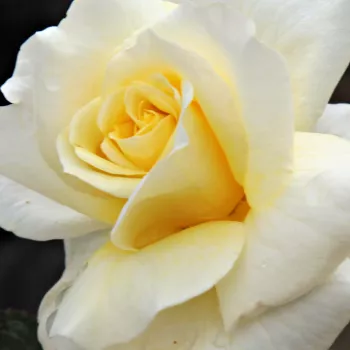
Medium sun-yellow blooms; buds bright sunny yellow, opening lemon-yellow then mid-yellow, fading to buttery to creamy pale yellow; ARS code MY, RHS 12A and 9B, colour retention moderate. |
| Fragrance and aroma |
Soft, mild fragrance with a restrained, gentle character; not overpowering near windows or seating, but detectable at close range, suiting family gardens and front borders where subtle scent is preferred. |
| Hip characteristics |
Occasionally forms spherical orange-red hips, about 10–14 mm in diameter; hips can add late-season ornamental interest if flowers are not deadheaded too strictly in autumn. |
| Resistance and winter hardiness |
Hardy to around −21 to −18 °C (RHS H7, USDA 6b, Swedish zone 3); disease resistance moderate to powdery mildew, black spot and rust, benefits from good air movement and timely care. |
| Horticultural recommendations |
Best in sunny positions with well-drained soil; planting distances: 60 cm for mass beds, 50 cm hedges, 100 cm specimens; 2.8–3.2 plants/m²; medium maintenance, occasional plant protection may be required. |
TANDINADI offers long-season yellow clusters, compact upright growth and steady own-root resilience for years of relaxed colour, making it a thoughtful choice for easy-going Irish family gardens.