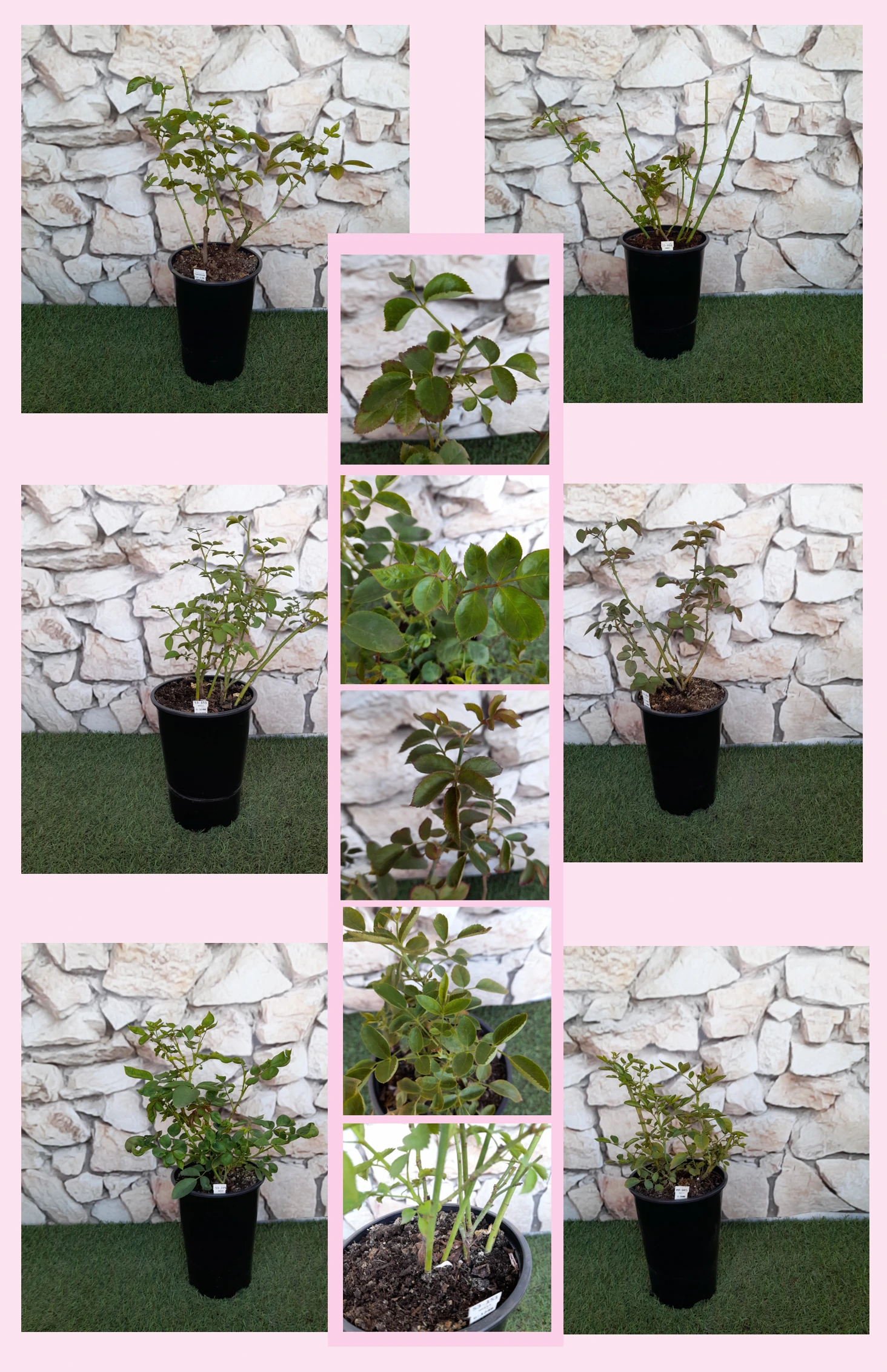
SWEET VALEDA – pink landscape shrub rose
Step outside to a corner of gentle contentment with SWEET VALEDA, a bushy shrub rose that thrives in Irish family gardens, even where breezes bring a touch of sea air and frequent showers soften the light. Its single, vivid pink blooms with a golden eye invite bees and hoverflies, while the rose’s naturally high disease resistance keeps care simple through damp, changeable seasons. Plant once and enjoy a truly long-lived, own-root foundation rose that matures steadily over the first few years, setting roots, then shoots, then full garden presence. With its neat height, reliable repeat flowering and self-cleaning habit, there is little deadheading and no complicated pruning, making it perfect for busy, “girly” cottage borders or Dublin front gardens. Come autumn, bright orange-red hips add seasonal interest, extending colour and wildlife value well beyond summer blossom.
Usage options
| Target area |
Reasoning |
| Front cottage border beside a path |
The bushy, 75–105 cm habit forms a soft, colourful edge that flowers repeatedly from early summer, with minimal pruning or fuss, ideal for a welcoming cottage-style entrance. Suits beginners |
| Dublin terraced-house front garden |
Compact spread of 60–85 cm and good self-cleaning make it easy to keep a small front space smart and cheerful, providing structure, colour and hips without taking over the pavement. Best for urban |
| Mixed perennial bed in heavy garden soil |
Own-root strength and shrub Rugosa background help it establish steadily where clay soils are common, provided you improve drainage with grit and mulch to protect roots from winter wet. Ideal for homeowners |
| Pollinator-friendly family play area |
Simple, open flowers with clearly visible yellow stamens are highly accessible to bees and other beneficial insects, offering nectar and colour that children can enjoy up close. Great for nature-lovers |
| Low-maintenance flowering hedge |
Planted at around 40 cm centres, it knits into a neat, informal hedge that needs only light trimming, thanks to strong disease resistance and reliable regrowth from its own roots. Recommended for busy-gardeners |
| Feature shrub in a large container |
In a 40–50 litre or larger pot with good drainage, it becomes an easy-care focal point, flowering freely on a sunny patio or balcony while remaining manageable in size and upkeep. Suits apartment-owners |
| Waterside or coastal-style planting |
Good tolerance of wind and salt-spray allows it to perform well in exposed, moist sites near the coast or ponds, giving dependable colour where other roses may struggle. Best for seaside-gardeners |
| Autumn and winter wildlife corner |
The regular orange-red hips provide seasonal colour and can be harvested in September–October, while also offering value to birds and for home use, extending interest far beyond summer. Ideal for hip-enthusiasts |
Styling ideas
- Cottage-Romantic – Underplant with Geranium macrorrhizum and soft grasses for a scented, low-care pink border that flowers steadily around a front door – perfect for relaxed cottage gardeners
- Urban-Chic – Use a single SWEET VALEDA in a large container flanked by slate chippings and lavender for a clean, modern, easy-care city frontage – ideal for busy professionals
- Pollinator-Path – Repeat-plant along a path with catmint and alliums to create a bee-friendly walkway with colour from spring to autumn – great for wildlife-focused families
- Coastal-Casual – Mix with Cornus sanguinea 'Midwinter Fire' and hardy sedums in a breezy, seaside bed for year-round structure and minimal maintenance – suitable for coastal homeowners
- Hip-Harvest – Combine with late asters and ornamental grasses so the orange-red hips glow among autumn tones, ready for decorative or kitchen use – appealing to home craft enthusiasts
Technical cultivar profile
| Characteristic |
Data |
| Name and registration |
Trade name SWEET VALEDA, registered as RUIrbm009b, a shrub Hybrid Rugosa bedding rose used as a landscape shrub; part of the Rósra bhláthchlóis range and supplied on its own roots. |
| Origin and breeding |
Bred by Boot and De Ruiter, De Ruiter Innovations B.V. in the Netherlands, introduced around 2024 for professional and private landscapes, with parentage not currently disclosed by the breeder. |
| Awards and recognition |
Recognised at The Hague Rose Trials with a Second Class Certificate in 2024, underlining its robust garden performance, ornamental value and reliability under independent trial conditions. |
| Growth and structural characteristics |
Bushy shrub 75–105 cm high and 60–85 cm wide, moderately thorny, with dense, mid-green matt foliage around RHS 143A; naturally rounded shape suitable for edging, hedges and specimen use. |
| Flower morphology |
Single, flat flowers in clusters, medium-sized at 4–7 cm, with approximately 5–12 petals; remontant, giving a generous second flush, and partially self-cleaning for easier garden maintenance. |
| Colour data and phenology |
Vivid pink flowers with slightly paler bases and a yellow stamen ring; buds start bright pink, then petals open fresh pink with mauve tinge, fading gradually to softer pastel pink and mauve tones. |
| Fragrance and aroma |
Fragrance is very weak, with only a faint rosy character detectable in warm, still conditions; primarily selected for colour, resilience and landscape effect rather than for strong scent. |
| Hip characteristics |
Regularly forms spherical orange-red hips, 22–28 mm diameter, decorative in autumn and valued for high vitamin C content; typically ripening from September to October for harvest or wildlife. |
| Resistance and winter hardiness |
Very hardy shrub rose, rated to about −37 to −34 °C (H7, USDA 3b, Swedish zone 6); good tolerance of heat, moderate drought, wind and salt-spray, and high resistance to mildew, black spot and rust. |
| Horticultural recommendations |
Best in full sun with improved drainage on heavy soils; space 40–75 cm depending on hedge or specimen use, plant 4.2–4.8 plants/m² for mass effect, and mulch yearly to stabilise moisture. |
SWEET VALEDA offers vivid repeat flowering, strong disease resistance and long-lived own-root resilience, making it a thoughtful choice for an easy, enduring feature in your garden.