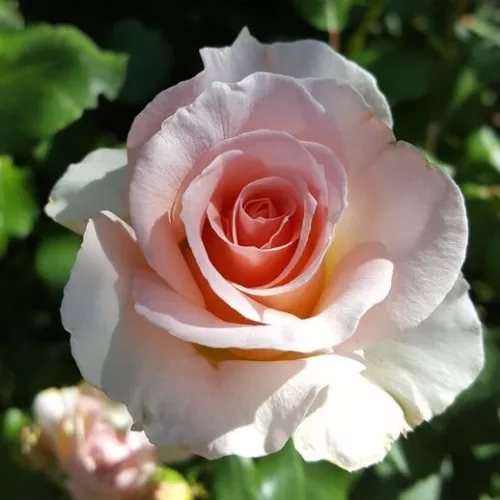
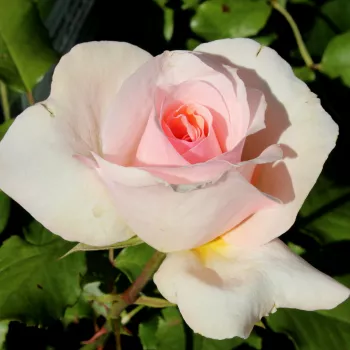
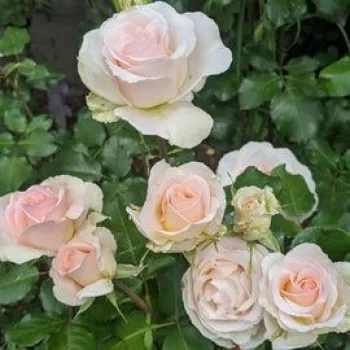
SWEET SONATA – peach-pink flower-bed floribunda rose – Meilland
Soft petals, romantic colour and an easy, relaxed rhythm make Sweet Sonata a lovely choice for small Irish gardens, where its rounded bush and gently perfumed blooms feel at home in the rain and shifting light. This floribunda brings a cottage-style border feel to modest front gardens and shared spaces, while own-root planting supports long-term health and steady renewal in your beds and larger containers. Expect a gradual settling-in – roots in year one, fuller shoots in year two, and true ornamental charm by year three – creating an atmosphere of quiet contentment as it matures.
Usage options
| Target area |
Reasoning |
| Flower bed near a seating area |
The mild, fruity fragrance is best appreciated up close, so planting Sweet Sonata beside a bench or path lets you enjoy its subtle scent on still evenings without needing intensive pruning or shaping; ideal for a relaxed, sensory corner for the fragrance-loving beginner. |
| Cottage-style mixed border |
Its bushy, upright habit and pastel peach-pink blooms sit beautifully among perennials, helping create that informal Irish cottage look with minimal fuss, as the plant gradually builds structure over the first few seasons for the busy family gardener. |
| Dublin terraced-house front garden |
Neat spreading growth to around a metre makes it perfect for compact front plots, where a single specimen or small group gives a soft, romantic welcome without dominating the space, suiting time-pressed urban homeowners. |
| Low informal hedge along a path |
Recommended hedge spacing allows plants to knit together into a flowering line that gently guides visitors through the garden, while own-root plants recover better from accidental knocks or heavier pruning, reassuring nervous beginners. |
| Feature rose in a large container |
In a 40–50 litre pot with good drainage, Sweet Sonata provides height, colour and a cottage feel on patios or balconies, and own-root resilience helps it cope with container stresses over many years, supporting space-limited city gardeners. |
| Romantic accent in wildlife-aware planting |
Although its very double blooms are mainly ornamental, the dense foliage and occasional small hips still contribute to structure and seasonal interest among wildlife-friendly planting, appealing to nature-oriented gardeners. |
| Rain-washed family garden border |
Suited to gardens that often feel softly blurred by frequent Atlantic showers and gentle winds, where its pastel tones and sturdy bush habit bring calm structure and charm for householders who simply want reliable beauty. |
| Long-term family garden plan |
As an own-root rose, Sweet Sonata can be part of a decades-long planting, rebuilding from the base after hard pruning and keeping its character stable, provided you give it regular health care; ideal for planners thinking beyond a single season. |
Styling ideas
- COTTAGE DUET – combine Sweet Sonata with soft blue hardy geraniums for a loose, romantic border in front of a low fence – perfect for cottage-garden enthusiasts.
- PASTEL FRONTAGE – line a Dublin front path with Sweet Sonata and white lavender to frame the doorway in gentle colour – ideal for style-conscious terraced-house owners.
- CONTAINER NOOK – place one plant in a 40–50 litre terracotta pot with trailing thyme for relaxed charm beside a seating area – suited to balcony and courtyard gardeners.
- HEDGEROW RIBBON – plant an informal hedge of Sweet Sonata backed with airy grasses to soften boundaries without blocking light – for families wanting privacy without heaviness.
- EVENING QUARTET – mix Sweet Sonata with cream roses and dusky salvias near a bench for scented dusk colour – appealing to fragrance-seeking beginners.
Technical cultivar profile
| Parameter |
Data |
| Name and registration |
Floribunda bush rose, registered as MEIoffic, marketed as Sweet Sonata Romantica and Johann Strauss; a flower-bed type from the Romantica collection suited to ornamental garden use. |
| Origin and breeding |
Bred by Alain Meilland from ‘Flamingo’ × (‘Pink Wonder’ × ‘Tip Top’), introduced in France in 1993 by Meilland International; a European-bred floribunda adapted to temperate garden conditions. |
| Growth and structural characteristics |
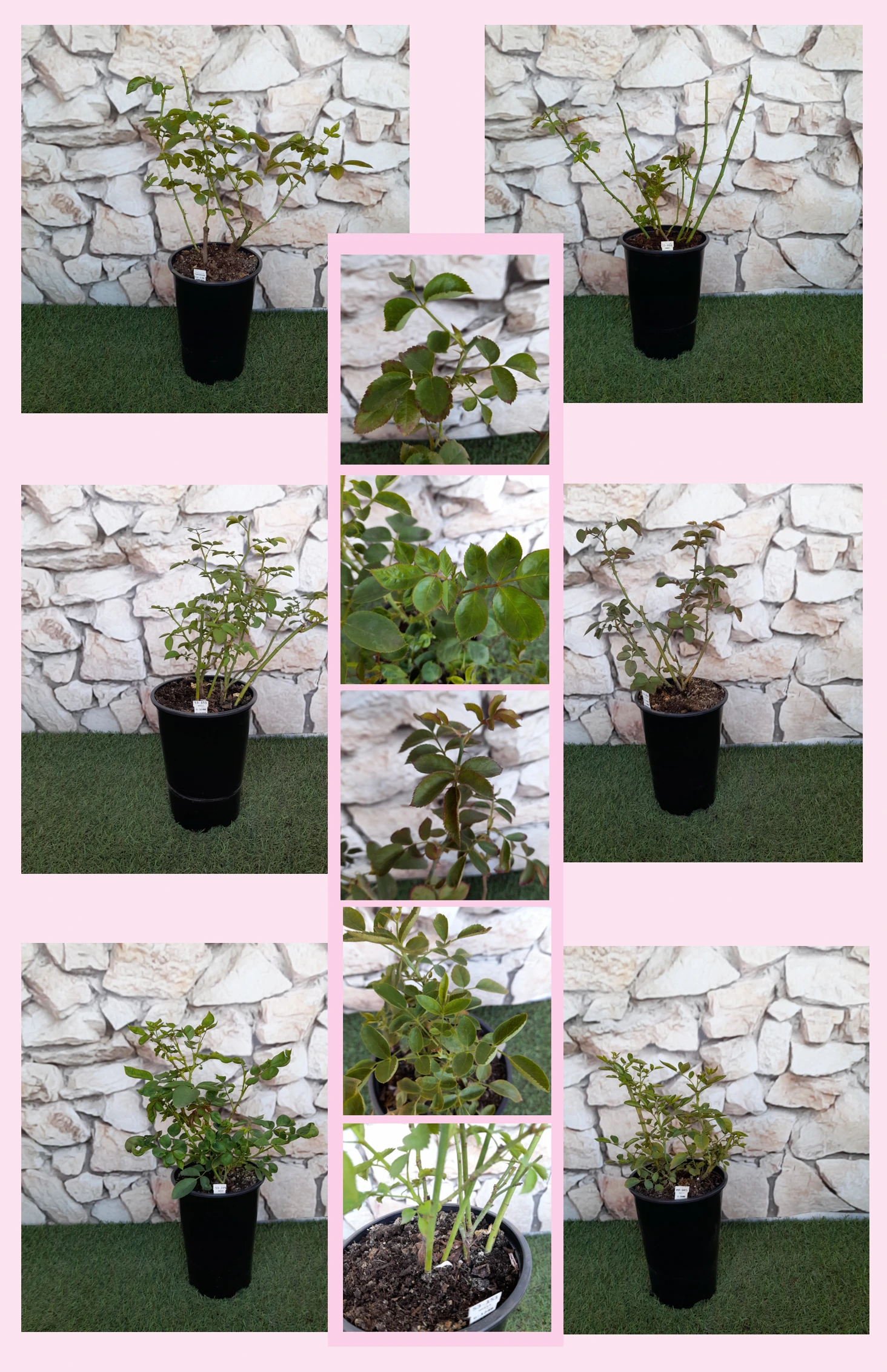
Bushy shrub reaching about 105–135 cm in height with a 75–105 cm spread, dense dark green slightly glossy foliage and light prickliness; forms a rounded outline suitable for beds and low hedges. |
| Flower morphology |
Very double, cup-shaped blooms with over 40 petals, usually borne singly on stems, 7–10 cm across; remontant with a notably generous second flush, offering classic rose form for cutting and display. |
| Colour data and phenology |
Soft peach-pink outer petals with a yellowish base, opening from pale pink buds; colour gently fades through salmon and apricot tones to pastel pink with a creamy centre as flowers age in the garden. |
| Fragrance and aroma |
Mild, fresh, fruity fragrance with a subtle rose character, best sensed at close range in sheltered spots; adds gentle scent without overpowering nearby seating or dining areas in smaller gardens. |
| Hip characteristics |
Hip formation is generally low due to the very double flowers, though occasional small spherical orange-red hips 8–12 mm across may appear, adding a discreet late-season accent. |
| Resistance and winter hardiness |
Very susceptible to powdery mildew, black spot and rust, needing regular preventive care; reliably hardy to about −26 to −23 °C (RHS H7, Swedish zone 4, USDA 5b) in well-prepared sites. |
| Horticultural recommendations |
Best in fertile, well-drained clay or loam with mulching and consistent feeding; plant at 55–65 cm for hedges or massed beds, give good air movement and maintain a preventative disease-spray or organic-care routine. |
SWEET SONATA offers romantic peach-pink blooms, compact bushy structure and gentle fragrance on a long-lived own-root plant; a thoughtful choice if you are planning a soft, enduring rose presence.