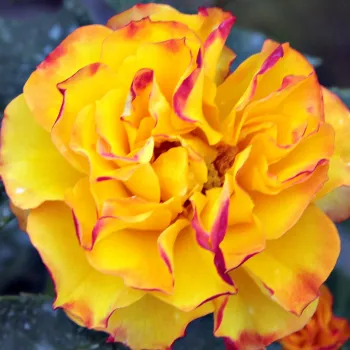
SURPRISE PARTY™ – red-yellow bedding floribunda rose - Jelly
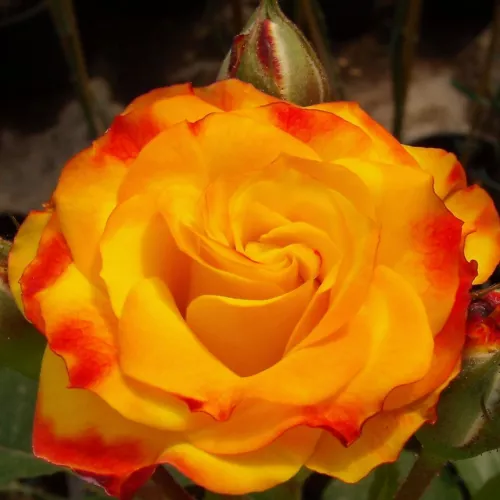
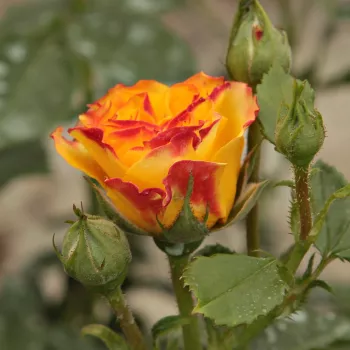
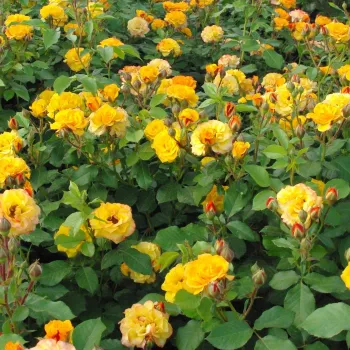
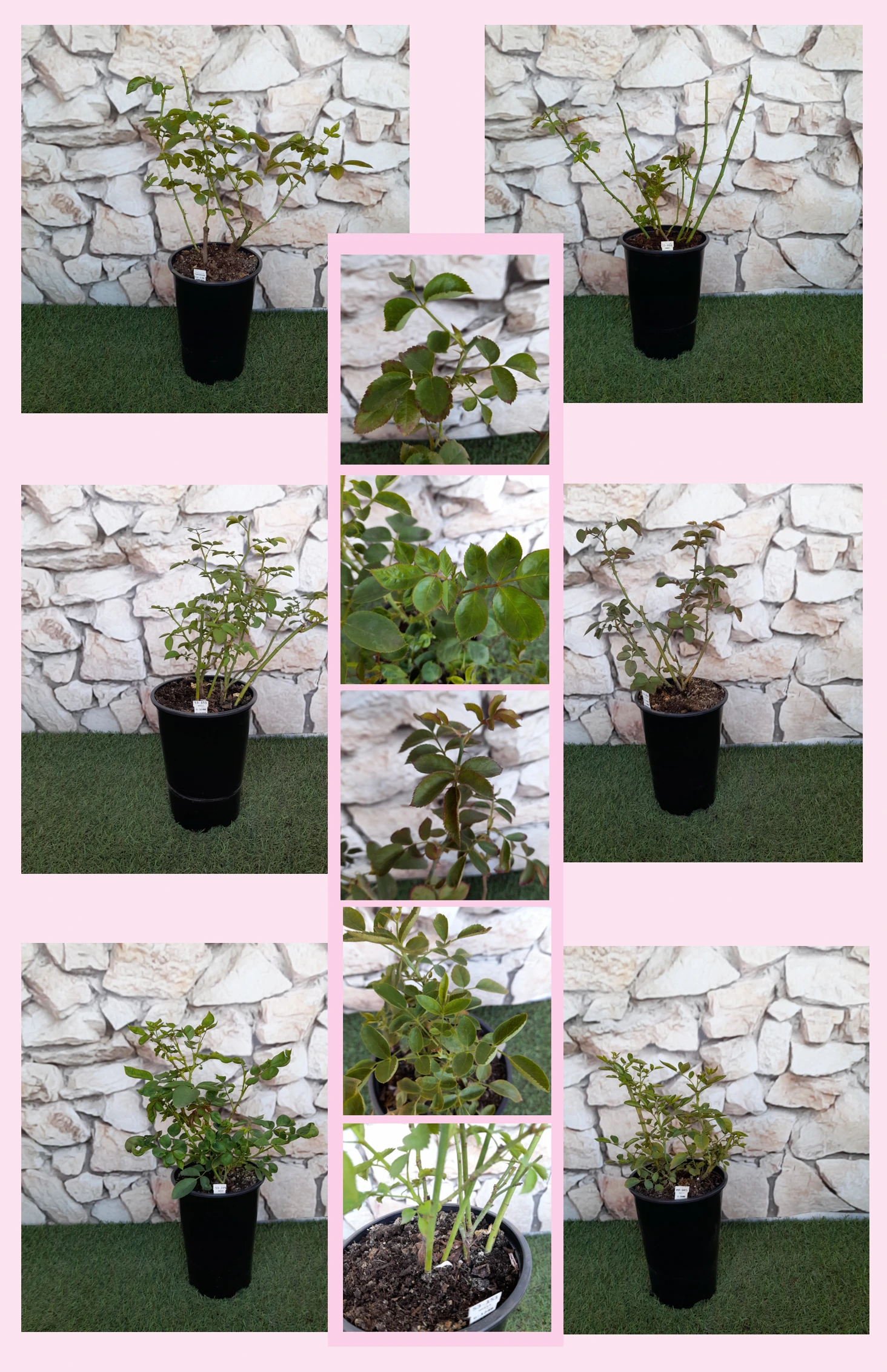
Like its name, SURPRISE PARTY™ brings a sense of celebration to small Irish gardens, with clusters of colour-changing blooms that glow in warm sunlight from early summer to autumn. Its bushy habit and compact size make it ideal for an Irish cottage border or a cheerful Dublin front garden, even where strong breezes and frequent showers bring that familiar mix of fresh air and rainfall. This floribunda offers reliably healthy, glossy foliage and award-winning performance without complicated care, rewarding you with regular flushes of blossom if you simply water in dry spells and deadhead the spent blooms. As an own-root rose, it settles in gradually, with roots establishing in the first year, stronger shoots in the second, and full ornamental impact by the third, giving you a long-lived, stable feature. In heavier Irish soils it copes well once you provide basic drainage and a mulch, and its compact form sits beautifully in cottage-style beds, low hedging, or generous containers from 40–50 litres upwards. The mild, fruity fragrance invites you to lean in and enjoy a moment of quiet contentment on even the greyest day, while the consistently neat foliage keeps everything looking smart between flower flushes.
Usage options
| Target area |
Reasoning |
| Cottage-style bedding in a front garden |
The compact, bushy habit and long flowering season give reliable colour along paths and boundaries, perfect where you want a friendly, welcoming look with minimal fuss for beginners. |
| Low informal hedge beside drives or paths |
Dense branching and glossy foliage form a tidy, low barrier that stays attractive for many years, as own-root plants regenerate well and maintain an even line for homeowners. |
| Mixed perennial border in Irish cottage gardens |
Remontant flowering, with repeated, showy bicolour clusters, threads flashes of red and gold through cranesbills, lady’s mantle and dwarf irises for cottage-gardeners. |
| Statement specimen in a small lawn or gravel area |
The award-winning, colour-changing blooms and rounded outline draw the eye without dominating, creating a single, easy-care focal point that feels special for design-conscious owners. |
| Large container on terrace or doorstep (40–50 L+) |
Performs well in roomy pots when watered and fed, bringing long-season colour right to the door with simple pruning, ideal for busy urban balcony-owners. |
| Low-maintenance family bed with children and pets |
Good disease resistance, moderate prickliness and own-root resilience mean fewer sprays and less worry, so the bed stays decorative with straightforward care for families. |
| Colour accent in exposed, showery garden corners |
Handles breezy, showery conditions typical of Irish gardens, providing dependable clusters of flowers through spells of soft weather and shifting light for coastal-edge gardeners. |
| Small collection of classic, long-lived roses |
The combination of robust health, proven show-bench pedigree and gradual build-up from rooting to full ornamental presence suits patient, fragrance-aware enthusiasts. |
Styling ideas
- Cottage-Ribbon – Plant in a loose ribbon along a front path, weaving between Alchemilla mollis and dwarf irises for a storybook cottage look – perfect for nostalgic romantics.
- Doorstep-Jewel – Place one rose in a 50-litre terracotta pot by the front door, underplanted with trailing thyme to highlight the glowing bicolour blooms – ideal for city terrace owners.
- Sunset-Bed – Combine with warm-toned perennials and ornamental grasses to echo its scarlet and golden-yellow petals – suited to those who love rich, evening-light borders.
- Neighbourly-Hedge – Create a low, friendly boundary hedge between driveways, spacing plants evenly for a consistent line of glossy foliage and flowers – good for sociable neighbours.
- Family-Island – Form a small island bed in lawn, mixing SURPRISE PARTY™ with cranesbills and spring bulbs to give all-season interest – great for busy young families.
Technical cultivar profile
| Property |
Data |
| Name and registration |
Floribunda bedding rose, registered as JELroganor, marketed as Surprise Party™ bedding rose JELroganor; ARS exhibition name Charisma, collection category bedding rose. |
| Origin and breeding |
Raised by Robert G. Jelly in the United States from cross ‘Gemini’ × ‘Zorina’; introduced and registered in 1977, first distributed by Conard-Pyle (Star Roses). |
| Awards and recognition |
Portland Gold Medal in 1976 and All-America Rose Selections award in 1978, confirming strong garden and show performance over multiple seasons. |
| Growth and structural characteristics |
Bushy, medium-height shrub reaching about 80–110 cm high and 80–120 cm wide, with dense, mid-green glossy foliage and moderate prickles, forming a full, rounded outline. |
| Flower morphology |
Very full, cupped, small flowers of 1–4 cm carried in clusters; petal count exceeds 40, producing a plush, decorative effect; remontant habit gives generous repeat flushes. |
| Colour data and phenology |
Bicolour red-yellow blooms (ARS rb; RHS 46A, 14B) with golden-yellow petal bases and scarlet edges; colour may lighten slightly in strong sun, with a long, reliable flowering window. |
| Fragrance and aroma |
Mild, fresh, fruity fragrance best appreciated close up; scent remains pleasant yet unobtrusive around seating areas, complementing the vivid visual impact of the flowers. |
| Hip characteristics |
Produces few hips; where present they are spherical, dark red, around 8–12 mm in diameter, adding a small decorative note without significant self-seeding. |
| Resistance and winter hardiness |
Good resistance to black spot, powdery mildew and rust; hardy to about -21 to -18 °C (RHS H7, Swedish zone 3, USDA zone 6b) with moderate heat tolerance needing water in drought. |
| Horticultural recommendations |
Best in sunny positions with free-draining soil and mulch; spacing 80–150 cm depending on use, 1.2–1.4 plants/m² for bedding; protect from late spring frosts, deadhead to improve self-cleaning. |
SURPRISE PARTY™ offers award-winning, long-season bicolour blooms, strong disease resistance and the reliable resilience of an own-root rose; a thoughtful choice if you favour lasting colour with modest upkeep.