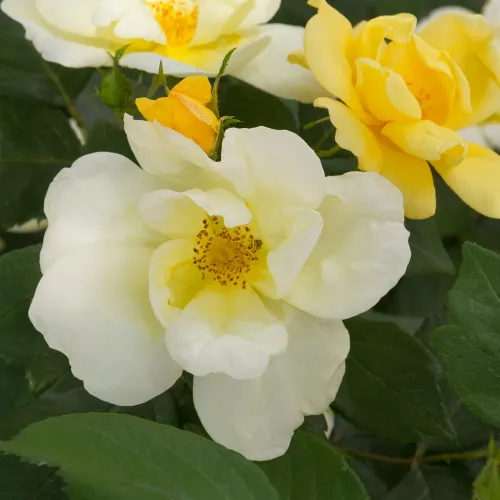
ROSA OMEIENSIS PTERACANTHA – white landscape shrub rose
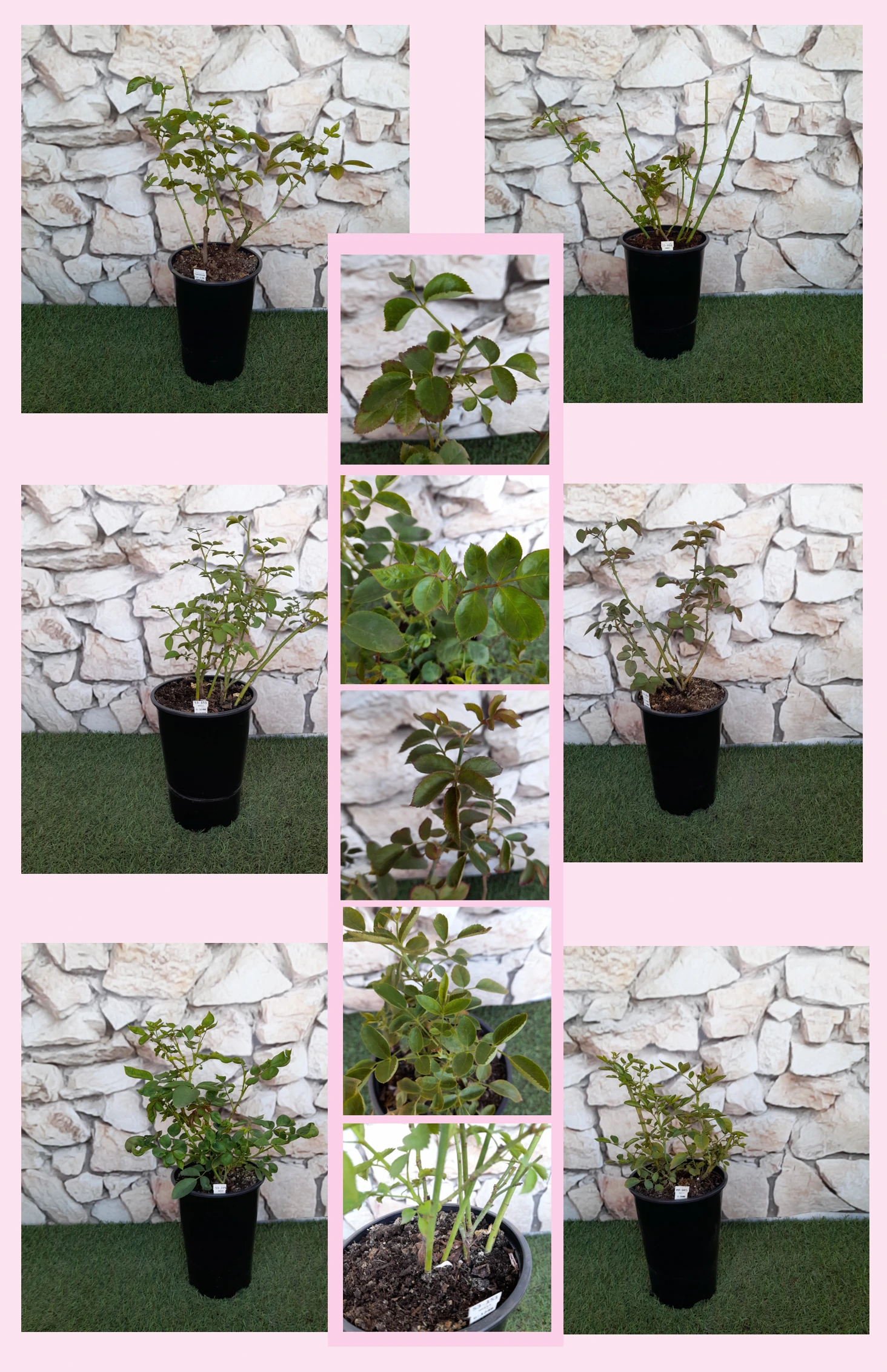
Step into a garden that feels like a soft green sanctuary after rain, where the translucent red thorns of Rosa omeiensis pteracantha glow in low light and its airy white blossoms bring quiet elegance. This botanical shrub rose is an easy-care choice for Irish cottage borders and small Dublin front gardens, coping reliably with cool summers and frequent showers while still building into a strong, long-lived structure. Once established, its tough, upright shrub frame and wildlife-friendly hips support birds and insects with reassuring continuity, and its naturally high disease resistance keeps maintenance minimal. Own-root plants settle steadily, forming durable root and shoot growth that matures into full ornamental value over three seasons, giving you dependable character, romantic screening and a sense of cheerful contentment without demanding complex gardening skills.
Usage options
| Target area |
Reasoning |
| Cottage-garden feature shrub |
Planted as a solitary shrub, it develops into a tall, bushy presence with glowing red thorns and simple white flowers that suit relaxed cottage planting. Minimal pruning and strong disease resistance keep care straightforward for the beginner. |
| Dublin terraced front-garden screen |
The upright, densely thorned habit creates a discreet, living screen that fits narrow front gardens, adding privacy, seasonal flowers and autumn hips with little fuss, ideal where time and space are limited for the busy homeowner. |
| Impenetrable, wildlife-friendly hedge |
Planted at hedge spacing, its dense prickles form a protective barrier while white flowers and orange-red hips support insects and birds, offering both security and biodiversity benefits for the nature-oriented family. |
| Low-maintenance naturalistic border |
Once established, it tolerates summer heat and short dry spells, needing only basic mulching and occasional watering, so it slots easily into informal, low-input borders favoured by the time-pressed urban gardener. |
| Pollinator planting strip |
The open, single flowers with exposed yellow stamens are highly accessible to bees and butterflies, supporting pollinators through simple, chemical-light care that suits environmentally minded buyers. |
| Long-lived structural planting |
In a good position with reasonable soil preparation, its vigorous shrub framework and own-root resilience promise long service; over three years roots, then shoots, then full character develop, reassuring the forward-planning planner. |
| Heavy-soil family garden bed |
With sensible drainage and a mulch layer, it establishes reliably even in typical Irish heavier soils that see frequent rain and cool summers, giving stable structure and colour for the practical householder. |
| Floristry and stem-cut feature |
Young shoots with translucent red thorns and later orange-red hips are striking in vases and arrangements, letting you clip dramatic, garden-grown material with little specialist skill, suiting the creative home florist. |
Styling ideas
- COTTAGE EDGE – Underplant with blue Carex flacca ‘Blue Zinger’ and pale Phlox paniculata to soften the thorny stems and highlight the white flowers – ideal for relaxed cottage-garden lovers.
- WILDLIFE HEDGE – Plant in a loose line with native hawthorn and berry shrubs, letting hips and shelter support birds and insects – perfect for eco-conscious countryside families.
- CITY SCREEN – Use as a narrow, informal screen by the front boundary, with low herbs at its feet, to add privacy without hard fencing – suited to Dublin terrace and townhouse owners.
- NATURALISTIC GROVE – Group three shrubs in a triangle in a lawn pocket, mulched and lightly underplanted with Coreopsis for a meadow-like feel – great for those who like airy, modern naturalism.
- FOUR-SEASON FOCUS – Combine with ornamental grasses and late perennials so thorns and hips shine through autumn and winter – appealing to gardeners who value structure all year round.
Technical cultivar profile
| Characteristic |
Data |
| Name and registration |
Rosa omeiensis pteracantha is a botanical shrub rose marketed as a white landscape rose; an historic, unregistered Chinese species form, used mainly in gardens and collections. |
| Origin and breeding |
Species rose of Chinese origin, introduced to European horticulture by Vilmorin-Andrieux & Cie around 1890; parentage unknown and no formal breeder name recorded in available sources. |
| Awards and recognition |
Historically recognised with a Royal Horticultural Society First Class Certificate in the United Kingdom in 1905, reflecting its ornamental and garden value in early 20th-century trials. |
| Growth and structural characteristics |
Strong, upright, bushy shrub reaching about 250–400 cm high and 150–250 cm wide, with dense foliage and very thorny young shoots, forming a striking architectural presence in larger borders. |
| Flower morphology |
Small, single, flat flowers, usually 5–12 petals, solitary on the stems; non-remontant, so it produces a main flowering flush once per season rather than repeating throughout summer. |
| Colour data and phenology |
Pure white to creamy petals with a pale yellow to golden ring of stamens, giving a clean, simple look; flowers appear in early season and fade evenly, followed by colourful hips in autumn. |
| Fragrance and aroma |
Light but pleasant scent described as delicate, sweet and slightly oily; not overpowering, but noticeable at close range around blooming shrubs in calm, mild weather conditions. |
| Hip characteristics |
Produces numerous small, egg-shaped rose hips, roughly 8–15 mm across, colouring orange-red in autumn and persisting decoratively into winter, adding wildlife food and seasonal interest. |
| Resistance and winter hardiness |
Rated very frost hardy (approx. –28 to –23 °C, RHS H5, USDA 5a), with good tolerance to summer heat and drought once established, and noted resistance to mildew, black spot and rust. |
| Horticultural recommendations |
Suited to sunny or lightly shaded sites with reasonable drainage; excellent for hedges, wildlife gardens, screens and specimen shrubs, with low maintenance needs once well rooted and settled. |
Rosa omeiensis pteracantha offers dramatic thorny structure, wildlife-friendly flowers and hips, and durable, low-maintenance performance on its own roots, making it a thoughtful long-term choice for your garden.