IRÈNE WATTS – salmon-pink historic China rose - Guillot
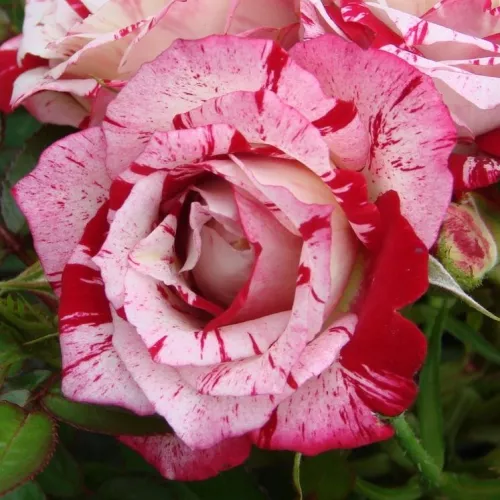
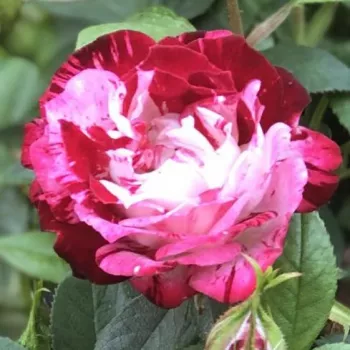
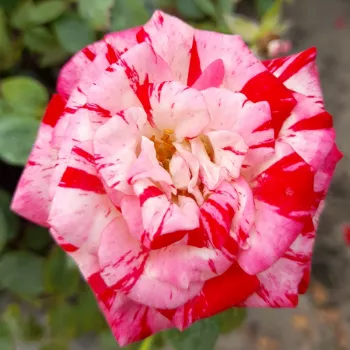
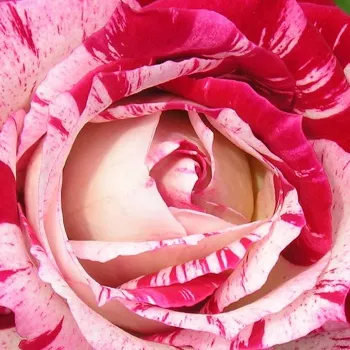
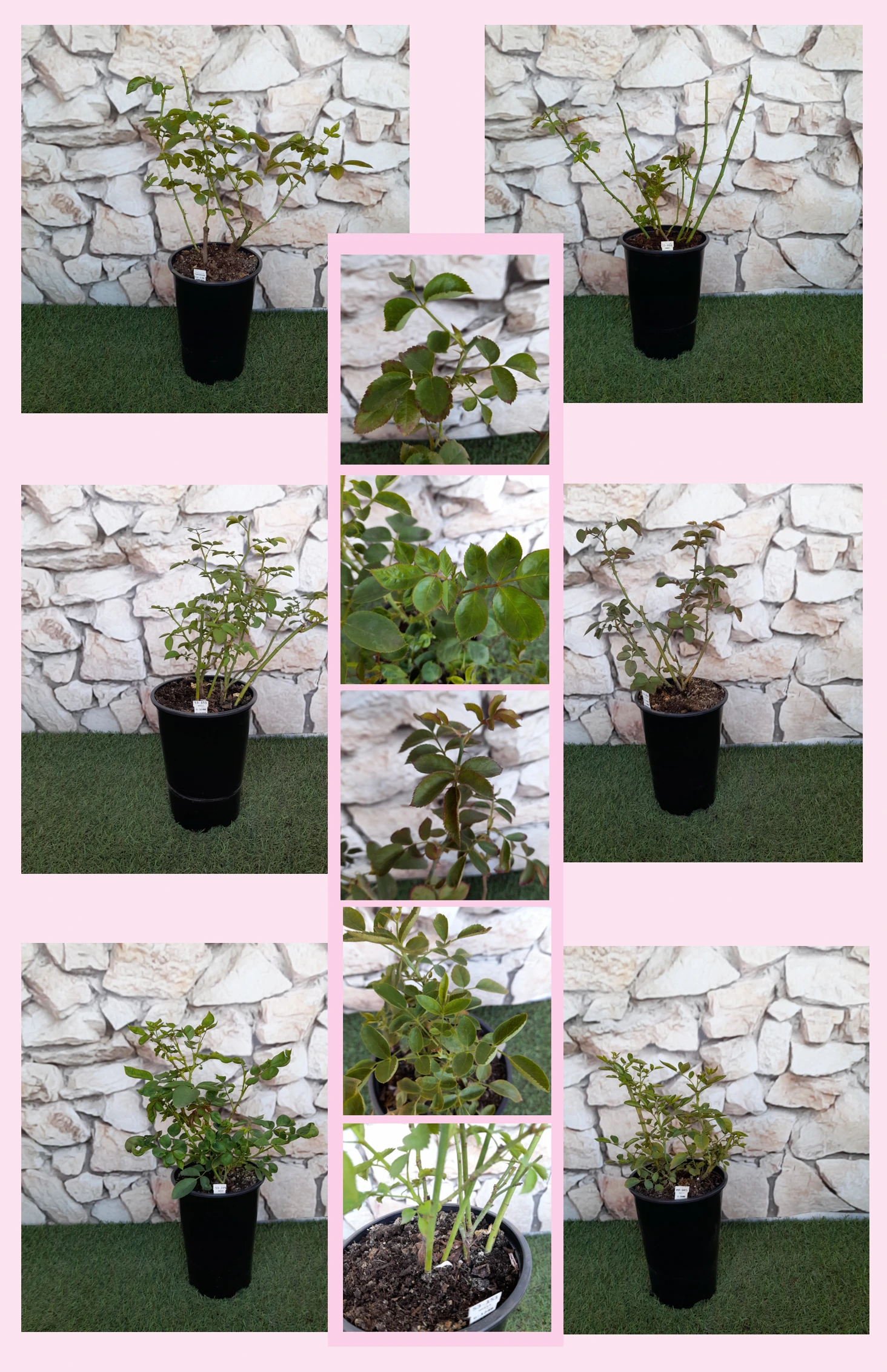
If you dream of a soft, romantic corner in a small Irish garden, Irène Watts offers relaxed charm with refined, cupped blooms that flower repeatedly through cool summers. This historic China shrub settles comfortably into cottage borders or neat Dublin terraces, coping well even where rainfall is frequent and summers are brief yet bright. Its medium-sized, fully double flowers open in warm salmon pink, fading calmly to pastel petals and near-white edges, so each flush brings a gentle mix of shades on one plant. On its own roots, the rose establishes steadily, giving you reliable structure, long life and the reassurance that, while year one builds roots, year two brings fuller shoots and year three reveals the plant’s complete garden character. Easy-care by nature, it suits busy gardeners who still want a beautifully fragrant, romantic border.
Usage options
| Target area |
Reasoning |
| Front cottage flower bed |
Historic China charm, repeat flowering and medium height make this rose ideal near a cottage door or path, where you can enjoy its cupped blooms and tea fragrance without demanding maintenance, perfect for the relaxed cottage gardener at-home |
| Dublin terraced-house front garden |
Its compact, upright habit and 60–100 cm height fit narrow front beds, while the softly fading salmon-pink flowers look refined against brick or railings, adding character with minimal effort for busy city gardeners commuters |
| Mixed border with perennials |
Cluster-flowered, self-cleaning blooms sit well among asters, liatris or rudbeckia, offering structure and long seasonal colour without constant deadheading, a good choice for those building layered borders enthusiasts |
| Low flowering hedge |
Recommended spacings of 40–50 cm allow you to form a low, informal hedge of repeating pink clusters, giving gentle privacy and a long-lived line of colour for gardeners planning coherent, lasting plantings planners |
| Large patio or terrace container |
In a 40–50 litre container with good drainage, this upright shrub provides a fragrant focal point near seating; its remontant flowering brings repeated interest for those who mainly garden in pots container-lovers |
| Part-shaded side path |
Suitable for partial shade, it flowers reliably where some roses sulk, such as a side passage or gable border, bringing light pastel tones and scent to trickier spots valued by pragmatic, space-conscious gardeners problem-solvers |
| Family garden feature near seating |
Medium maintenance and moderate disease resistance suit family gardens where time is limited; regular but simple care rewards you with tea-scented blooms at chatting height, appealing to relaxed, fragrance-seeking households families |
| Atlantic-influenced, cool-summer gardens |
This China rose is comfortable in mild, damp conditions, flowering in repeated waves even where summers are short and soft-lighted, giving dependable colour for those gardening under changeable skies and frequent showers west-coast |
Styling ideas
- Cottage-Romantic Border – combine with soft geraniums and dwarf asters to echo its pastel, cupped blooms and repeat colour – ideal for lovers of traditional Irish cottage charm
- Terrace Showpiece – place one plant in a 40–50 litre pot by the front step so the tea fragrance greets you coming home – ideal for busy urban homeowners
- Soft Pink Hedge – plant closely along a low fence for a drifting line of salmon-pink clusters and gentle structure – ideal for families wanting pretty yet simple boundaries
- Pastel Perennial Mix – weave among liatris and rudbeckia so the refined flowers contrast with bolder shapes and extend the season – ideal for gardeners creating layered, long-flowering borders
- Part-Shade Glow – use in a side garden with morning or late-day light, where the pale, fading petals brighten dim corners – ideal for those taming awkward, half-shaded spots
Technical cultivar profile
| Parameter |
Data |
| Name and registration |
Historic China shrub rose, collection Old garden rose; registered cultivar name Irène Watts; commercial type and trade name Irène Watts; unregistered with exhibition organisations. |
| Origin and breeding |
Bred by Pierre Guillot, Guillot & Fils Roseraie, France, from a seedling of ‘Madame Laurette Messimy’; introduced by Guillot & Fils in 1895 as a China, Bengale historic rose. |
| Growth and structural characteristics |
Upright shrub reaching about 60–100 cm in height and 50–90 cm spread; moderately dense, mid-green, slightly glossy foliage; densely thorned stems give traditional shrub character and presence. |
| Flower morphology |
Large 7–10 cm, very full, cupped, cluster-flowered blooms with over 40 petals; remontant habit delivers a good second flush, with many petals dropping cleanly to keep the shrub neat. |
| Colour data and phenology |
Warm salmon and light pink blend with creamy-yellow undertone; buds pale cream with rosy tint, opening to salmon pink, then pastel pink and near-white outer petals; good colour retention in garden conditions. |
| Fragrance and aroma |
Medium-intensity, distinctly noticeable perfume with a delicately sweet, tea-scented character; best appreciated near paths, doors or seating areas where air movement carries the fragrance gently. |
| Hip characteristics |
Occasionally forms small, spherical red hips 6–10 mm in diameter, adding modest late-season interest without significantly affecting the overall flowering performance or garden display. |
| Resistance and winter hardiness |
Hardy to about −15 to −12 °C (RHS H6; USDA 7b; Swedish zone 2); moderate resistance to powdery mildew, black spot and rust; tolerates heat with extra watering during prolonged dry periods. |
| Horticultural recommendations |
Best in fertile, well-drained soil with mulch; space 40–75 cm depending on use, 4.2–4.8 plants/m² for massing; suits beds, borders and containers; maintenance medium, with occasional plant protection as needed. |
Irène Watts offers remontant, tea-scented salmon-pink blooms on a compact, long-lived own-root shrub rose that settles steadily into family gardens and terraces, a graceful option to consider for your next planting.