STANWELL PERPETUAL – pale pink wild rose – Brown
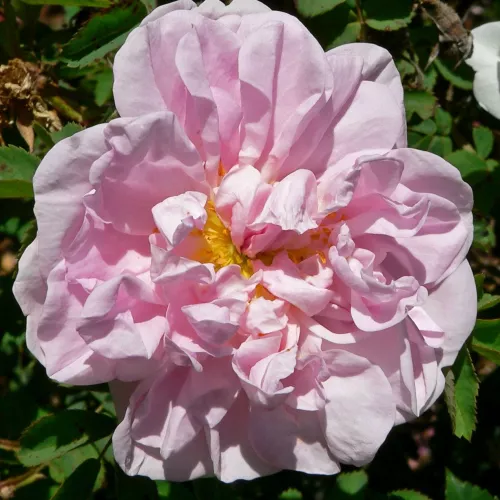
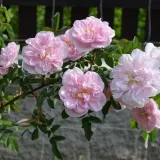
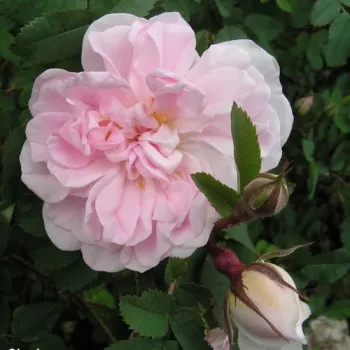
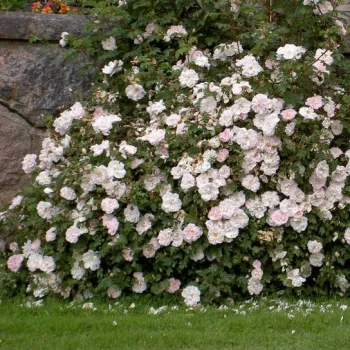
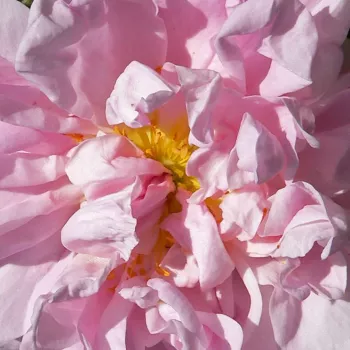
Step outside to the soft light of morning rain and the powder‑pink blooms of Stanwell Perpetual, a charming old garden rose that feels perfectly at home in an Irish cottage border or a Dublin terrace front. Its bushy, spreading habit creates a relaxed, romantic screen, while the petals fade gently to porcelain white, echoing the cottage walls and stone paths around it. Deep, damask fragrance carries across the garden, giving you that sense of cheerful contentment even on overcast days with soft showers and fresh Atlantic breezes brushing the garden. This historic, own‑root shrub settles in steadily – year one for roots, year two for shoots, and by the third it reveals its full, mature presence. Good self‑cleaning flowers keep day‑to‑day maintenance light, so you can enjoy its character rather than fussing with deadheading, ideal when your garden time is short but you still want a living, heritage feature.
Usage options
| Target area | Reasoning |
|---|
| Cottage-style front garden feature shrub |
Stanwell Perpetual’s bushy, spreading habit and dense grey‑green foliage create a soft, storybook outline that suits low walls, picket fences and small cottage plots. Medium maintenance and strong fragrance make it easy to live with yet quietly special for fragrance‑loving beginners. |
| Informal flowering hedge along boundaries |
With a 90 cm hedge spacing and 120–200 cm spread, it forms a relaxed, traditional hedge that screens without feeling stark. Its very double, self‑cleaning flowers reduce the need for trimming away spent blooms, suiting those who prefer light, occasional work rather than intensive clipping for busy urban garden owners. |
| Year-round structure in mixed flower beds |
The sturdy, own‑root shrub framework gives lasting structure in mixed beds of perennials and small shrubs. Even as individual canes age, new growth renews the outline, so ornamental value remains stable over many seasons, reassuring gardeners planning for long-term enjoyment. |
| Historic rose and heritage planting schemes |
Introduced in 1838 with classic Hybrid Perpetual and Damask background, this rose fits beautifully into heritage schemes or older properties. Its damask-scented blooms offer a tangible link to traditional gardens, ideal for enthusiasts who want living history without specialist maintenance skills. |
| Lightly shaded side garden or north-facing border |
Suitable for partial shade, it performs reliably where many modern roses sulk, such as side passages and cooler city courtyards. Good heat tolerance also means it copes with occasional warm spells, offering flexibility where light levels change, useful for homeowners working around existing buildings. |
| Robust, long-lived garden backbone shrub |
On its own roots and hardy down to around –35 °C, this shrub is designed for decades rather than seasons. Should above‑ground wood be damaged by weather or pruning, it can regenerate from the base, giving a sense of security to those investing in a lasting garden framework. |
| Low-fuss rose for wetter, breezier Irish plots |
Its tolerance of cool, damp conditions and overall robustness make it a sound choice for exposed or rain-prone gardens, where you want reliable rose character without constant cosseting, especially in gardens that often feel brushed by sea winds and soft Atlantic showers for practical homeowners. |
| Large container on patio or paved front |
In a 40–50 litre or larger container with good drainage, Stanwell Perpetual becomes a portable, fragrant focal point for paved front gardens or terraces. Regular watering and a yearly mulch keep care straightforward, attractive for beginners who want a beautiful rose close to the front door. |
Styling ideas
- Cottage-hedge – Plant as a loose boundary line with Aster dumosus ‘Apollo’ and low grasses for a soft, billowing cottage feel – ideal for families wanting gentle enclosure rather than rigid fencing.
- Heritage-focus – Use one shrub as a main focal point near a doorway, underplanted with lavender and catmint, to highlight its historic character – perfect for those who enjoy old-world stories in their planting.
- Soft-screen – Line a side path or parking bay with staggered plants, weaving in Hypericum ‘Hidcote’ for year-round foliage – suited to urban gardeners seeking privacy with a natural look.
- Patio-centre – Grow in a 50 litre terracotta container with trailing thyme and violas at the base for a fragrant, easy-care patio anchor – appealing to beginners with limited ground space.
- Grey-green – Echo the rose’s matt, grey-green leaves with sage, artemisia and silvery grasses in a mixed bed – attractive for design-conscious owners wanting a calm, textural palette.
Technical cultivar profile
| Property | Data |
|---|
| Name and registration |
Stanwell Perpetual, a botanical-type shrub rose marketed as a wild rose; Hybrid Perpetual, Damask and Spinosissima background; unregistered cultivar used under its long-established trade name. |
| Origin and breeding |
Bred by C. Brown at Lee Nursery, Hammersmith–Stanwell, United Kingdom, from Rosa spinosissima × ‘Quatre Saisons’; breeding completed around 1834, introduced to gardens from 1838 onwards. |
| Awards and recognition |
Holds the RHS Award of Garden Merit and is recommended by several historic rose gardens, reflecting reliable garden performance and enduring popularity among heritage rose collections. |
| Growth and structural characteristics |
Bushy, spreading shrub 80–130 cm high and 120–200 cm wide, with dense, matt grey‑green foliage and abundant prickles; self-cleaning blooms simplify care and keep the plant looking tidy. |
| Flower morphology |
Medium-sized, 4–7 cm, very double rosette blooms with over 40 petals; produced in clusters and remontant, though the second flush is lighter than the main early-summer flowering. |
| Colour data and phenology |
Pale, uniform pastel pink tending toward white; buds creamy pink, opening to silky powder pink, then fading quickly in strong sun to porcelain white with a subtle central blush in cooler weather. |
| Fragrance and aroma |
Rich, deep damask scent of very strong intensity, easily filling the surrounding garden space in still conditions; highly suited to positioning near paths, doors or seating where the fragrance can be enjoyed. |
| Hip characteristics |
Rose-hip set is usually sparse due to the dense petal count; when present, hips are small, 10–16 mm, spherical and dark purplish to crimson-black, adding a modest autumn accent. |
| Resistance and winter hardiness |
Exceptionally hardy, roughly USDA Zone 3b and RHS H7; tolerates heat and moderate drought with extra watering in long dry spells; disease resistance is medium, needing only occasional monitoring. |
| Horticultural recommendations |
Best with 90–165 cm spacing depending on hedge or specimen use; prefers well-drained but moisture-retentive soil; suitable for partial shade and responds well to annual mulching and light formative pruning. |
Stanwell Perpetual combines deep damask fragrance, self-renewing shrub structure and reliable hardiness on its own roots, making it a thoughtful choice for gardeners seeking long-lived, gently romantic planting.