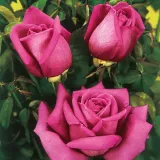
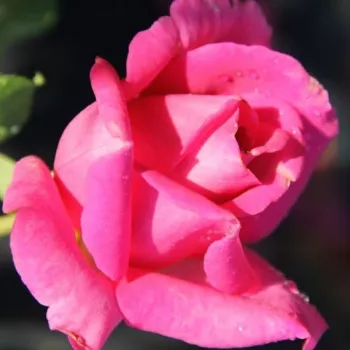
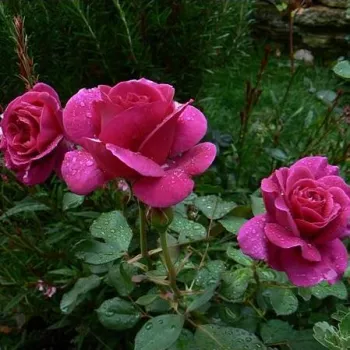
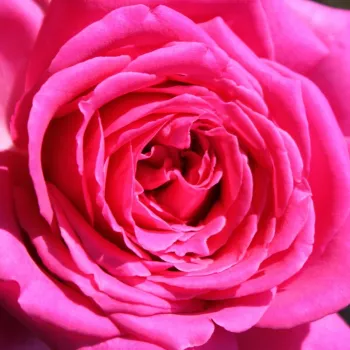
Botanical rose

52-879-1
52-879-2

Rosa Banksiae lutea

Botanical rose

- – John Damper Parks

Creamy light yellow with a slightly deeper yellow shade towards the centre. - species rose - very weak, barely noticeable scented rose - classic rose character

– Cascades of tiny butter-yellow pompon blooms.
– Vigorous rambler for walls, arbours and pergolas.
– Dense, glossy foliage with slightly thorny stems.
– Good heat and moderate drought tolerance.
– Historic cultivar with prestigious global awards.
Gné speisialta: Buaiteoir RHS Award of Garden Merit agus Old Rose Hall of Fame, rogha fíor‑chlasach do ghairdíní bailiúcháin.
Nature-friendly garden design – Harmonious environment
Rosa Banksiae lutea
antoniaROSE® ORIGINAL rós i bpota 2 lítear ar a fhréamhacha féin
23,30 €
As stoc. Faoi shaothrú. Go sealadach gan fáil.
3 (4376)
facebook   twitter

Rosa Banksiae lutea – botanical yellow rambler rose

Step out to a softly lit corner of your garden and let Rosa Banksiae lutea wrap walls, garages or old sheds in a cloud of tiny, butter-yellow rosettes – a once-a-year spring spectacle that feels like walking under raindrops turned to petals. This vigorous, slightly thorny rambler quickly covers arbours and pergolas with grace, clothing its glossy foliage in clusters of small, pompon blooms that almost hide the leaves. Planted into well-drained Irish clay, it copes reliably with cool, damp seasons and blustery coastal breezes, needing little more than a yearly tidy. As an own-root plant it establishes steadily, maturing from root-building in the first year, to strong shoots in the second and full ornamental presence by the third, giving long-lived structure and a feeling of green, soft light against your home. Ideal for “girly” cottage-style spaces and romantic arches in compact Dublin front gardens.


Usage options

Target areaReasoning
Small Dublin front garden arch or arbour Perfect for creating a romantic entrance in tight urban spaces, this vigorous rambler quickly clothes an arch or light arbour with soft yellow blossom, giving height without taking much ground space; best suited to gardeners who want maximum effect from a single rose, especially beginners.
Sunny south- or west-facing house wall Trained flat against masonry, it forms a long-lived green curtain with a once-a-year flush of lemon-to-butter-yellow flowers, brightening narrow side passages and cottage façades in Ireland’s mild, moist conditions; ideal for those seeking reliable structure and colour with minimal fuss, particularly homeowners.
Pergola or walkway in a family back garden Its climbing habit and dense foliage make a soft, dappled tunnel of shade over paths or seating, with falling petals giving children a “spring snow” moment; a practical way to turn a simple pergola into a seasonal feature for relaxed family time, appreciated by families.
Cottage-garden boundary or screen Planted at generous spacing along fences or between mature shrubs, it forms a loose, natural-looking screen, with glossy foliage and clouds of yellow pompons lending a storybook cottage feel without intricate pruning; well suited to informal boundaries desired by cottage-gardeners.
Feature plant in small town garden Used as a single specimen on a trellis or obelisk, it brings strong vertical interest and a concentrated spring display that reads clearly even from the pavement, especially effective in short Irish summers that favour robust, early-flowering ramblers; a smart choice for time-poor urban gardeners.
Large container on terrace or patio (40–60 litres) In a very large, well-drained pot with sturdy support, it can be trained up and over railings, softening hard edges with long, arching growth and a cascade of pastel yellow blooms; ideal for paved spaces where in-ground planting is impossible, appealing particularly to balcony and terrace owners.
Low-maintenance, long-term garden framework Once established, its own-root vigour and medium maintenance needs give a dependable green backbone that returns every year without replanting, offering many seasons of cover and flower for comparatively little work; a reassuring option for those wanting durable planting, especially planners.
Heritage or botanical-style planting scheme With its 1824 introduction and historic honours, it fits beautifully into heritage borders, botanical corners and “old rose” collections, combining authentic character with medium upkeep demands in sunny, sheltered positions; most rewarding for history-loving, detail-oriented collectors.

Styling ideas

  • Cottage Archway – Train Rosa Banksiae lutea over a simple metal or timber arch, underplanting with foxgloves and lady’s mantle for a soft, romantic entrance – ideal for lovers of classic cottage gardens.
  • Sunlit Wall Veil – Cover a south-facing wall, then weave in Verbena hastata ‘White Spires’ and airy grasses below to echo the pale yellow blossom – perfect for homeowners wanting brightness without fuss.
  • Pastel Pergola – Let its branches drape along a pergola, partnered with soft pink clematis and white Knautia macedonica ‘Red Knight’ nearby for gentle contrast – suited to those favouring “girly”, nostalgic palettes.
  • Courtyard Focus – In a large 50–60 litre container, fan-train it against a courtyard fence, with pots of scented herbs at the base to soften the look – great for small-plot urban gardeners.
  • Heritage Corner – Combine this historic rambler with old-variety shrubs, a weathered bench and rustic paving to create a quiet, museum-like nook – appealing to rose enthusiasts and garden history fans.

Technical cultivar profile
ParameterData
Name and registration Rosa Banksiae lutea, also known as R. banksiae lutea, a botanical yellow rambler within the Banksiae species group; commercial type species rose, unregistered cultivar in formal registries.
Origin and breeding Historic double-flowered yellow form of Rosa banksiae, selected from naturally occurring plants; associated with Calcutta Botanic Garden and the Royal Horticultural Society, introduced by John Damper Parks in 1824.
Awards and recognition Holds the Royal Horticultural Society Award of Garden Merit and is included in the World Federation of Rose Societies Old Rose Hall of Fame, reflecting long-standing horticultural and cultural value.
Growth and structural characteristics Strong, climbing rambler reaching about 4.2–7.8 m high and 3.2–5.8 m wide, with dense, glossy, medium-green foliage and slightly thorny shoots; self-cleaning of spent blooms is moderate on multi-flowered clusters.
Flower morphology Very double, small globular pompon flowers, typically 1–4 cm in diameter, produced in large, clustered sprays along the canes; flowers once per season in a single, dramatic spring flush rather than repeating later.
Colour data and phenology Closed buds are pale yellow with a greenish tinge, opening light lemon-yellow with deeper inner petals, then fading through straw to creamy yellow; ARS colour code Y, RHS 11C outer and 9B inner in full bloom.
Fragrance and aroma Displays a classic rose fragrance character but only in a very weak form, often barely noticeable in the garden; grown primarily for its abundant colour effect and structural impact rather than for strong scent.
Hip characteristics Rose-hip production is very sparse due to the very double flowers; any hips that do form are small, around 4–8 mm, globose and orange, and generally insignificant as an ornamental or wildlife feature.
Resistance and winter hardiness Suited to mild climates, roughly USDA zone 8b and RHS H4, tolerating about −9 to −7 °C; handles heat and moderate drought once established, but can be susceptible to black spot and rust in very humid conditions.
Horticultural recommendations Best on sunny sites with free-draining soil and strong support for climbing; suitable for arbours, pergolas, walls, parks and solitary specimens, with medium maintenance and occasional plant protection in damp summers.

Rosa Banksiae lutea offers a once-a-year cascade of soft yellow blossom, fast wall and pergola coverage, and durable own-root growth; an inspired choice if You are planning a long-term garden feature.
Detailed product attributes

Product Identification Data

Product Name: BANKSIAE LUTEA – yellow species rose - Parks
Product Type: antoniaROSE® ORIGINAL - rós i bpota 2 lítear ar a fhréamhacha féin
Cultivar Authenticity: Cigireáilte:03.07.2025
Cultivar Merit Rating: premium gold
Item Number: [686] 52-879 (14.02.2026) antoniarose.ie

Name and Registration

Cultivar Name Meaning: The cultivar name is of Latin origin; the word 'lutea' means yellow.
Synonym Name: Yellow Banksian Rose; Yellow Lady Banks Rose; Banksian Yellow; Wong-moue-heong; Rosa banksiae f. lutea; R. banksiae luteo-plena
Trade Name: Rosa Banksiae lutea Botanical rose Parks
Rose Group: Rambler,Banksiae-Species
Commercial Type: species rose
Commercial Group: Rós luibheolaíoch
Exhibition Category: species rose
Collection: Botanical rose

Origin and Breeding

Initial Distributor: Royal Horticultural Society (United Kingdom)
Registration Year: unregistered cultivar
Breeder: John Damper Parks
Breeding Company / Institution: Calcutta Botanic Garden (IND); Royal Horticultural Society (UK)
Breeding Year: United Kingdom, 1824
Parentage: Rosa banksiae naturally yellow, double-flowered form

Awards and Honours

Global and Lifetime Honours: World Federation of Rose Societies – Old Rose Hall of Fame (2018)
Horticultural Ratings and Recommendations: RHS Award of Garden Merit (AGM)
Competition and Show Awards: RHS Award of Garden Merit (AGM); World Federation of Rose Societies – Old Rose Hall of Fame (2018)

Growth and Structural Characteristics

Height: 420-780 cm
Spread: 320-580 cm
Growth Habit: climbing
Foliage: The variety’s foliage is dense. The leaves have a glossy surface and a medium‑green shade.
Prickliness: slightly thorny
Self-Cleaning Description: Spent flowers usually fall off by themselves, while clusters may partly remain on the plant.
Self-Cleaning Intensity: Self-cleaning ability: medium.

Flower Morphology

Flower Fullness: very double-flowered
Flower Form: globular, pompon
Flower Size: S (1 - 4 cm)
Inflorescence Type: cluster-flowered
Colour Code: ARS code: Y RHS code: 11C (outer), 9B (inner)
Repeat Flowering: Not remontant; flowers once.

Colour Data and Phenology

Colour: yellow
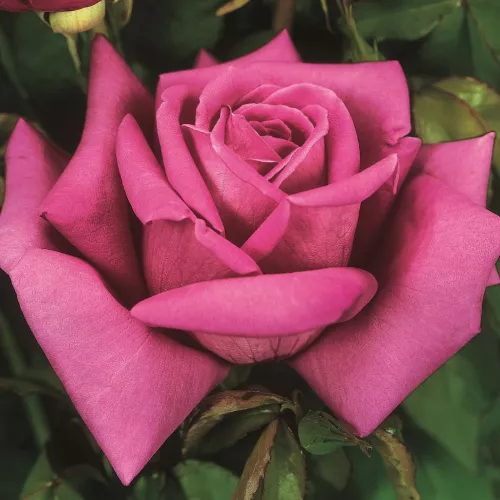
Flower Colour: Creamy light yellow with a slightly deeper yellow shade towards the centre.
Closed Bud: Pale yellow with a greenish-yellow tinge.
Freshly Opened Flower: Light lemon yellow, with a more vivid yellow on the inner side.
Full Bloom: Uniform butter-yellow, slightly golden-yellow in the centre.
Pre-Fading Flower: Lightening straw-yellow, the outer petals fade to an almost creamy yellow.
Colour Fading Description: In strong sunlight it lightens, fading to a creamy yellow.

Fragrance and Aroma

Fragrance Strength: very weak, barely noticeable scented rose
Fragrance Character: classic rose character
Pollinator Attraction: Strongly double, small flowers with poor access to the stamens make this variety not particularly attractive to pollinators.
Pollinator-Friendly Rating: Very double flowers conceal the stamens; primarily an ornamental variety.

Rose Hip Characteristics

Rose Hip Shape: spherical
Rose Hip Colour: orange
Rose Hip Notes: Rose-hip formation is scant or absent due to the very double flowers; if formed, 4–8 mm in diameter, globose, orange.

Resistance and Hardiness

Hardiness (°C): -9–-7 °C
Heat and Drought Tolerance Description: Tolerates heat and moderate drought well; requires irrigation during prolonged drought.
Disease Resistance: susceptible
  • powdery mildew – medium
  • black spot – susceptible
  • rust – susceptible

Horticultural Recommendations

Recommended Spacing: for mass planting 360 cm, for hedging 345 cm, as a solitary specimen 600 cm
Planting Density: in square planting 0,1 plants/m², in hexagonal arrangement 0,1 plants/m²
Partial Shade Tolerance: Preferably for a sunny spot
Maintenance Requirements: Maintenance requirement medium; plant protection required in extremely humid conditions.
Key Uses: arbour, pergola, wall training, park, solitary specimen

Notes

Strengths: Nature-friendly garden design – Harmonious environment
Companion Plants: Verbena hastata ‘White Spires’ - Dense-flowered verbena white Prunus laurocerasus 'Klári' - Cherry laurel Knautia macedonica 'Red Knight' - Macedonian scabious
Note: -
BANKSIAE LUTEA – yellow species rose - Parks
Creamy light yellow with a slightly deeper yellow shade towards the centre. - species rose - very weak, barely noticeable scented rose - classic rose character
Ceannaigh rósanna ar líne - species rose - Rosa Banksiae lutea - yellow - (420-780 cm)
Bláthaireacht: cluster-flowered airde: 420-780 cm Cruth na bláthanna: globular, pompon Friotaíocht gheimhridh: - yellow - Royal Horticultural Society (United Kingdom) species rose - Méid an bhlátha: S (1 - 4 cm) Méid an bhlátha: S (1 - 4 cm) - airde: 420-780 cm airde: 420-780 cm - Líon bláthanna: very double-flowered Rosa Banksiae lutea - Rósanna sa ghairdín | antoniaROSE® Original - premium gold John Damper Parks

Léirímid cuma sheachtrach ár rósanna atá le ceannach ar líne ónár siopa gréasáin.


Which product type is right for you?


Information

In what condition do we send the roses from our online shop?

Let us ask ourselves the question: What do I want to use the rose for?
Flower? – Location? – Screening? – Fragrance? – Height? – Breeder? – Rose hips?

Rose purchase information
Payment methods – Delivery costs – Delivery – Complaints handling

Care guide

Our product is a rose grown with unique pharmaROSA® cultivation technology!

2 litre, own-root, potted rose.
With shoots appropriate to the season.
With roots thoroughly interwoven through the growing medium.
Quality in line with the requirements of the E.N.A. (European Nurserystock Association).
In unique packaging that prevents damage.
Can be planted during frost-free periods.
True-to-type rose plant with an individual identifier.

The pharmaROSA® own-root potted rose is a well-rooted plant that supports reliable establishment when planted and cared for properly, so it can be planted whenever the soil is not frozen.


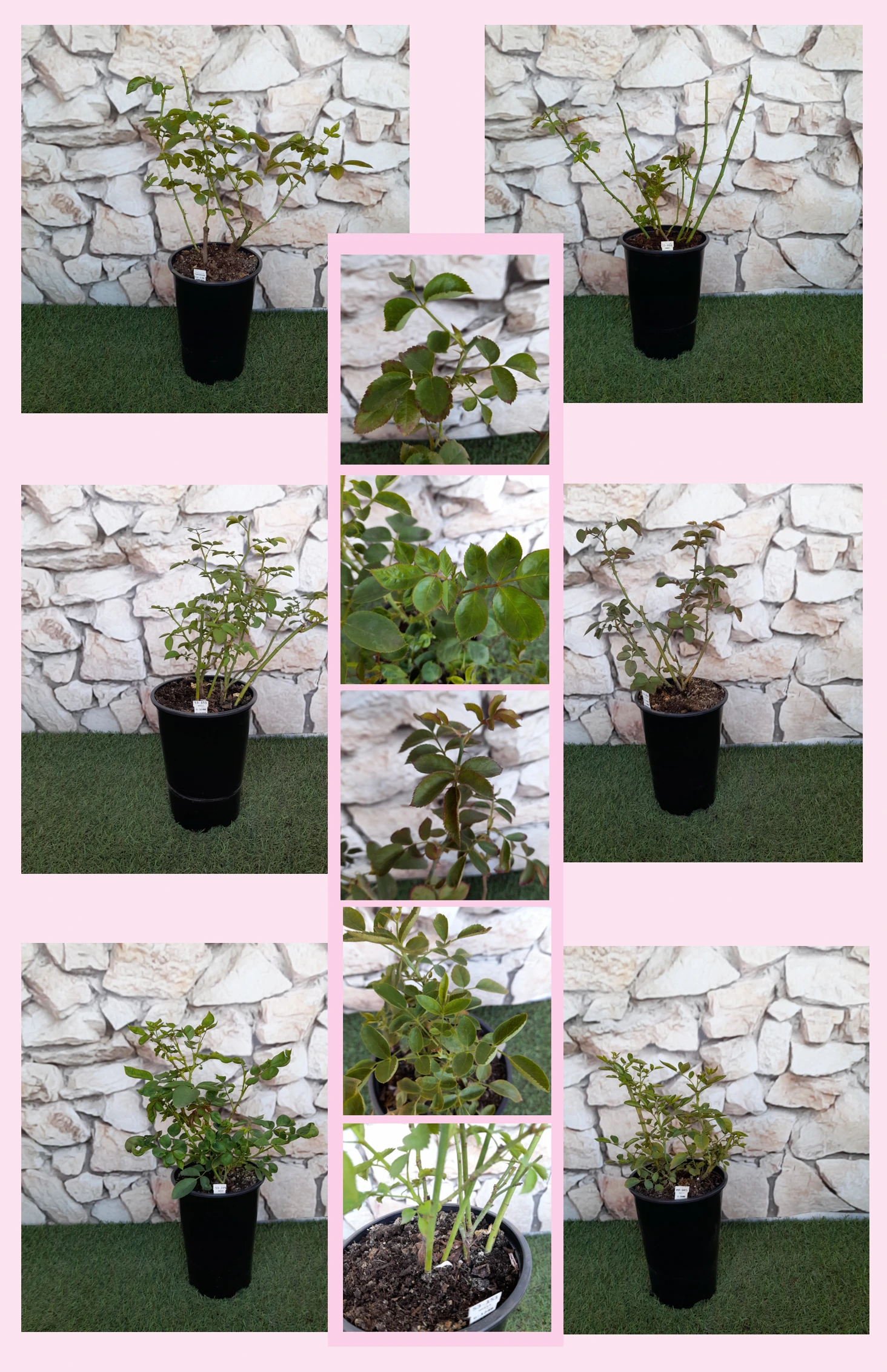
Stock: several varieties and several stages of development in a short stock section.
Shoot system: intensive growth of fresh basal shoots on a young plant.
Root system: presentation of the strong root system interwoven through the growing medium with the pot removed.
Balance: mature plant where the development of the root system and the shoots is in harmony.

Information about the videos
The video series is not a “seasonal showcase”, but makes the essence of pharmaROSA® own-root production tangible: how the plant is built, what the root system is like and how the shoots renew themselves. The footage was therefore taken at different times, showing plants at different stages of development, so mixed leaf coverage or differing growth stages may appear in the videos. This is not a “sample” of the batch delivered, but an illustration of how the technology works. The current condition of the rose available to order — typical of the given period and similar to what you can expect to receive in the parcel — is shown at the top of the product page.

pharmarosa.itpharmarosa.ptpharmarosa.sepharmarosa.fipharmarosa.eepharmarosa.compharmarosa.atpharmarosa.co.ukpharmarosa.czpharmarosa.depharmarosa.ropharmarosa.sipharmarosa.skpharmarosa.hrpharmarosa.frpharmarosa.grpharmarosa.bepharmarosa.dkpharmarosa.nlpharmarosa.iepharmarosa.plpharmarosa.lupharmarosa.espharmarosa.bgpharmarosa.ltpharmarosa.lvpharmarosa.ru

Cineálacha táirgí

Pages for private customers
Garden roses for the family garden, with minimal care  → ORIGINAL®
Premium garden roses – instant impact, a truly showpiece garden  → EXTRA®
Pages for professionals and private customers
Roses for public spaces – large areas, sustainable maintenance  → NATURAL®
Roses for projects – hedge and row planting, fast implementation  → RAPID®
For professional partners only
Production – propagation material for garden roses, wholesale  → NEONATAL®

Sonraí cuideachta

PharmaRosa Ltd.
Company registration number: 01-09-717479
VAT number: 13075314-2-43
Plant health registration no.: HU130721
Bank account (IBAN):
HU85117631891388688400000000
BIC (SWIFT): OTPVHUHB
Bank name: OTP Bank Nyrt.