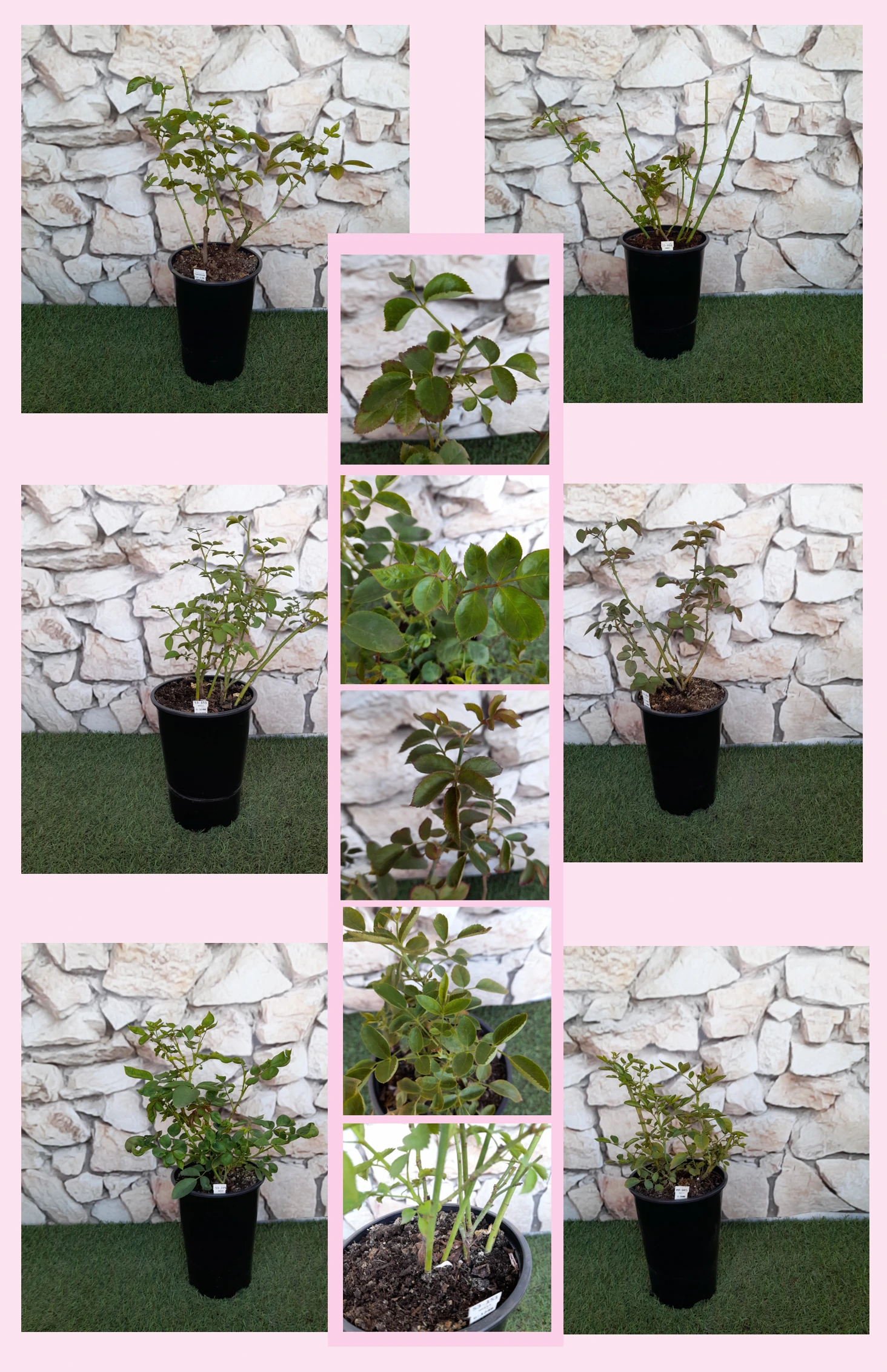
SEÑORA DE BORNAS™ – red tea-hybrid rose - Nadal
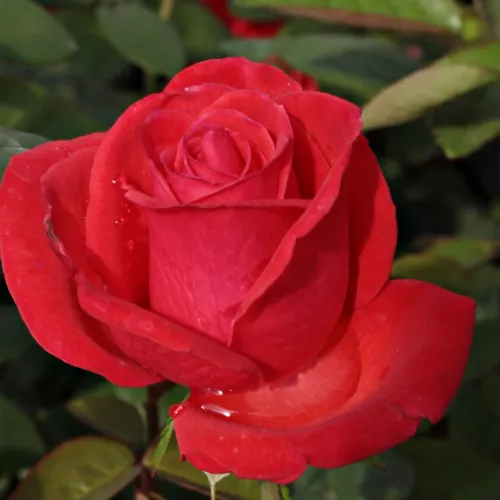
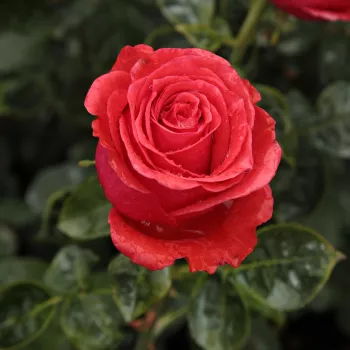
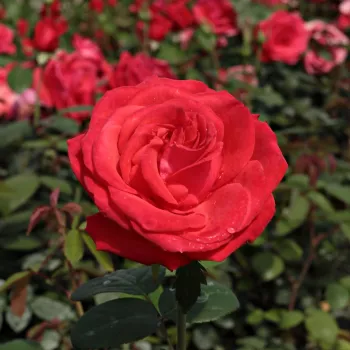
Step out to your front path after rain and meet SEÑORA DE BORNAS™, a classic hybrid tea that combines generous blooms, reliable fragrance and easy-going maintenance for everyday gardens. Bred in Spain in 1955, its velvety orange-red flowers open on upright, well-spaced stems that look equally at home in an Irish cottage border or a small Dublin terrace front. Own-root plants establish steadily, building a long-lived framework that shrugs off common fungal problems even in our damp, changeable weather. With a little attention to good drainage on heavy soil, you can expect a graceful build-up: first the roots settle, then the shoots lengthen, and by the third season it shows its full ornamental value. Stable colour, repeat flowering and a sturdy garden habit make it a quietly confident choice for those who like roses without fuss.
Usage options
| Target area | Reasoning |
|---|
| Front garden focal point near the door |
The upright habit and large, high-centred blooms give a clear focal point without taking over a small front garden, while own-root resilience supports a long-lived structure that matures reliably for years, especially appealing to busy homeowners. |
| Cutting patch or mixed cut-flower bed |
Long, straight stems and pointed hybrid tea form are ideal for vases, and remontant flowering means you can cut regularly through the season without stripping the plant, which suits home flower arrangers. |
| Family garden rose border |
Good disease resistance and low maintenance mean less spraying and fewer interventions, so the rose stays attractive and healthy in everyday family use, fitting the needs of relaxed gardeners. |
| Small group planting in cottage-style beds |
Stable, warm red colouring that fades gracefully ensures the group reads as a soft, harmonious block rather than a harsh splash, working well with traditional perennials for cottage-garden lovers. |
| Feature rose in large container (40–50 litres plus) |
A substantial pot allows the own-root plant to build a robust root system, giving long-term performance and making it easier to manage watering during drier spells for apartment or patio owners. |
| Specimen rose in sunny lawn island bed |
Remontant flowering with an abundant second flush keeps the bed interesting through a shorter Irish summer, providing regular colour without complex pruning for time-pressed beginners. |
| Lightly formal planting with low-maintenance structure |
Moderately dense, glossy mid-green foliage and upright growth create a tidy outline that is easy to keep in shape with simple deadheading, suiting neat-but-natural gardeners. |
| Mixed wildlife-friendly border with classic scent |
Although the double flowers are only moderately attractive to pollinators, combining this tea-scented rose with companion plants supports insects even in humid coastal or rainy areas with persistent fungal pressure, pleasing nature-oriented buyers. |
Styling ideas
- Cottage Drift – Plant in threes with lavender edging and soft geraniums to echo traditional cottage borders – ideal for cottage-garden lovers seeking classic colour.
- Doorstep Welcome – Use a single specimen by the front path with low evergreen box or hebe to frame its repeat blooms – perfect for homeowners who like tidy, low-effort charm.
- Patio Statement – Grow in a 50-litre terracotta pot with trailing thyme at the base to showcase the flowers up close – suitable for urban balcony and patio gardeners.
- Summer Vase Row – Line a narrow bed with evenly spaced plants for reliable cutting stems through the season – great for home florists who enjoy arranging their own roses.
- Soft Contrast – Combine with climbing hydrangea or a pale clematis behind to set off its warm red blooms – appealing to those who like gentle, romantic pairings.
Technical cultivar profile
| Parameter | Data |
|---|
| Name and registration |
Hybrid tea rose, trade name SEÑORA DE BORNAS™ – Nadal; exhibition tea-hybrid type for garden and cutting use; belongs to the hybrid tea group, commercial group Rós taehibride. |
| Origin and breeding |
Bred by Cebrià Camprubí Nadal in Spain, around 1955; parentage and breeding institution unknown; introduced as a garden and cut-flower hybrid tea, registration dates not documented. |
| Growth and structural characteristics |
Upright, medium-tall bush reaching about 105–135 cm in height and 70–90 cm spread, with moderately dense, slightly glossy mid-green foliage and moderate thorniness on the stems. |
| Flower morphology |
Large, double, high-centred hybrid tea blooms with 26–39 petals; solitary flowers on stems, bud pointed and elegant; flower size typically 7–10 cm; remontant with abundant second flush. |
| Colour data and phenology |
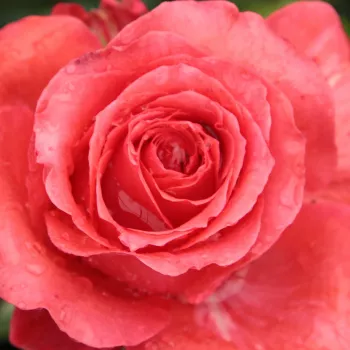
Velvety orange-red overall effect; buds coral-scarlet, opening fiery red-coral with orange shimmer, then softening to brick–peach pink with powdery creamy edges; good colour retention through the bloom. |
| Fragrance and aroma |
Classic hybrid tea scent with a clear tea note; medium strength and easily noticeable on warm, still days; suitable for enjoying near seating areas or for bringing indoors as scented cut flowers. |
| Hip characteristics |
Occasional ellipsoidal hips, around 10–14 mm diameter, in an orange-red shade (RHS 40A); typically form after flowers are left un-deadheaded late in the season, adding a light autumn accent. |
| Resistance and winter hardiness |
Rated resistant to black spot, powdery mildew and rust; tolerates heat with watering during prolonged drought; hardy approximately to –21 to –18 °C (USDA 6b, RHS H7, Swedish zone 3). |
| Horticultural recommendations |
Best in full sun with well-drained soil; spacing: 65 cm in beds, 55 cm for low hedges, 100 cm as specimen; suits flower beds, specimen planting and cutting; remove spent blooms for tidiness. |
SEÑORA DE BORNAS™ offers long-lived own-root reliability, repeated flowering and a classic tea scent in everyday gardens, making it a thoughtful choice if you value beauty without demanding care.