SEBASTIAN KNEIPP® – white hybrid tea rose
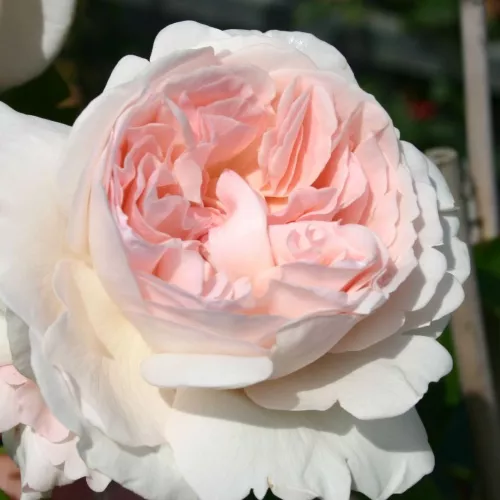
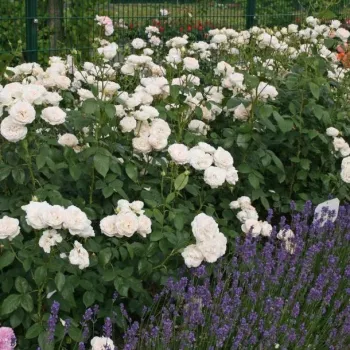
Step out to meet raindrops and discover the serene charm of SEBASTIAN KNEIPP®, a creamy‑white hybrid tea rose that brings gentle light and calm elegance to Irish cottage borders and compact city front gardens, even where breezes bring moist Atlantic air and frequent showers. Its tall, upright habit and large, very full blooms offer a classic presence with strong, lingering myrrh fragrance, perfect for cutting and enjoying indoors. On its own roots it builds a long‑lived, reliable framework that rebounds well after harsh winters, settling in steadily as roots establish, shoots strengthen, and full garden impact unfolds over several flourishing seasons. With low‑input care and trustworthy disease resistance, it suits beginners and busy households seeking quietly luxurious flowers without complicated routines.
Usage options
| Target area | Reasoning |
|---|
| Feature rose beside a front door |
The tall, upright habit and large rosette blooms create a welcoming focal point at the entrance, especially in smaller Dublin terraces where every shrub must earn its place with clear structure and presence, ideal for the design-conscious homeowner. |
| Romantic Irish cottage garden border |
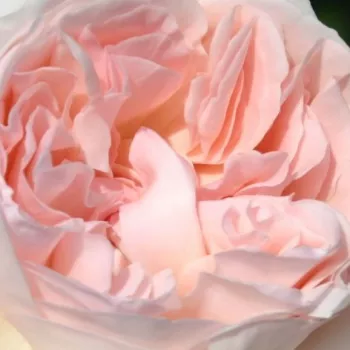
Its creamy‑white flowers with a pearly‑pink centre add a soft, “girly” charm that pairs beautifully with old‑fashioned perennials and suits the relaxed, layered look of cottage planting schemes, appealing to the nostalgic gardener. |
| Cutting patch for home bouquets |
Large, very full hybrid tea blooms on strong stems and a long flowering season make it excellent for vases, allowing you to bring its myrrh aroma indoors throughout summer, perfect for the fragrance‑loving collector. |
| Low‑maintenance family back garden |
Good resistance to common rose diseases means less spraying and fuss, while own‑root toughness gives a stable, long‑term shrub that copes well with typical Irish humidity, suiting the time‑pressed family. |
| Loose flowering hedge along a path |
Recommended spacing for hedging allows you to form an upright, flowering line that guides movement through the garden, with repeated flushes of white blooms offering structure and privacy for the practical planner. |
| Part‑shaded side garden or courtyard |
Its suitability for partial shade helps where neighbouring houses, walls, or mature trees limit direct sun, while still giving repeat flowering and scent, a reassuring choice for the urban beginner. |
| Resilient, long‑term specimen shrub |
On its own roots it matures steadily into a durable framework that can regenerate well after pruning or winter damage, offering a dependable, long‑lived presence for the patient enthusiast. |
| Mixed border in wetter, windy sites |
Well‑chosen drainage and mulching help this variety perform reliably even in breezy, rain‑washed gardens typical of the Irish coast, where moist Atlantic air and regular showers shape planting choices for the weather‑aware gardener. |
Styling ideas
- Cottage Charm – Underplant with Brunnera and hostas for a soft, storybook feel around a small lawn – suited to romantic cottage‑garden lovers.
- Front-Door Focus – Flank a townhouse entrance with two shrubs in large 50‑litre containers and simple gravel – ideal for style‑minded city dwellers.
- Scented Path – Space plants at 60 cm along a curving path for repeat‑flowering, fragrant strolls – perfect for fragrance‑focused walkers.
- Evening Glow – Use its creamy‑white blooms near a terrace with soft lighting so flowers gleam after dusk – great for outdoor‑entertaining households.
- Cutting Corner – Dedicate a sunny bed with easy‑care perennials to supply regular, long‑stemmed blooms for the house – appealing to home‑floristry fans.
Technical cultivar profile
| Attribute | Data |
|---|
| Name and registration |
Hybrid tea rose, registered as KORpastato; trade name Sebastian Kneipp® Hybrid tea rose KORpastato; ARS exhibition name Sebastian Kneipp; part of the Rós taehibride group. |
| Origin and breeding |
Bred by Tim‑Hermann, Wilhelm and Margarita Kordes; introduced 1997 by W. Kordes’ Söhne, Germany; EU registration application 97/0657 filed 12 June 1997; parentage undisclosed. |
| Awards and recognition |
Recognised on the European show circuit in 1999 with a third prize at Geneva, a silver medal at Kortrijk and a bronze medal at Magdeburg for overall garden and exhibition value. |
| Growth and structural characteristics |
Upright hybrid tea shrub reaching about 120–160 cm high and 85–115 cm wide, densely thorned with dark green, slightly glossy foliage forming a substantial, vertical garden accent over time. |
| Flower morphology |
Large, 7–10 cm rosette blooms with over 40 petals; very full, clustered flowers; remontant with a generous second flush; weak self‑cleaning so spent blooms usually need dead‑heading by hand. |
| Colour data and phenology |
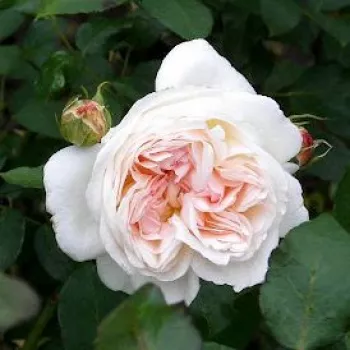
Delicate creamy‑white with pearly‑pink tones centrally, buds ivory with faint butter‑yellow; colour moderates to near‑white as blooms open; ARS WBl, RHS 155D and 158C; moderate colour retention overall. |
| Fragrance and aroma |
Strong, long‑lasting fragrance with a characteristic myrrh note; ideal for positioning near seating, doors or paths and valued as a cut flower where its scent carries indoors across several days. |
| Hip characteristics |
Due to very double flowers, hips are sparse; when present they are small, spherical, 6–10 mm in diameter and red, with little ornamental impact compared with the abundance of blooms. |
| Resistance and winter hardiness |
Rated resistant to powdery mildew, black spot and rust; hardy to approximately −21 to −18 °C (H7, USDA 6b, Swedish zone 3); moderate heat and drought tolerance, needing regular watering in dry spells. |
| Horticultural recommendations |
Best in well‑drained but moisture‑retentive soil; suitable for beds, hedges, specimens and parks; partial shade tolerant; typical spacing 60–110 cm depending on use, at 2.0–2.3 plants per square metre for mass plantings. |
SEBASTIAN KNEIPP® offers strongly scented creamy‑white blooms, reliable disease resistance and long‑term own‑root resilience for Irish family gardens, a thoughtful choice if you favour enduring beauty with modest care needs.