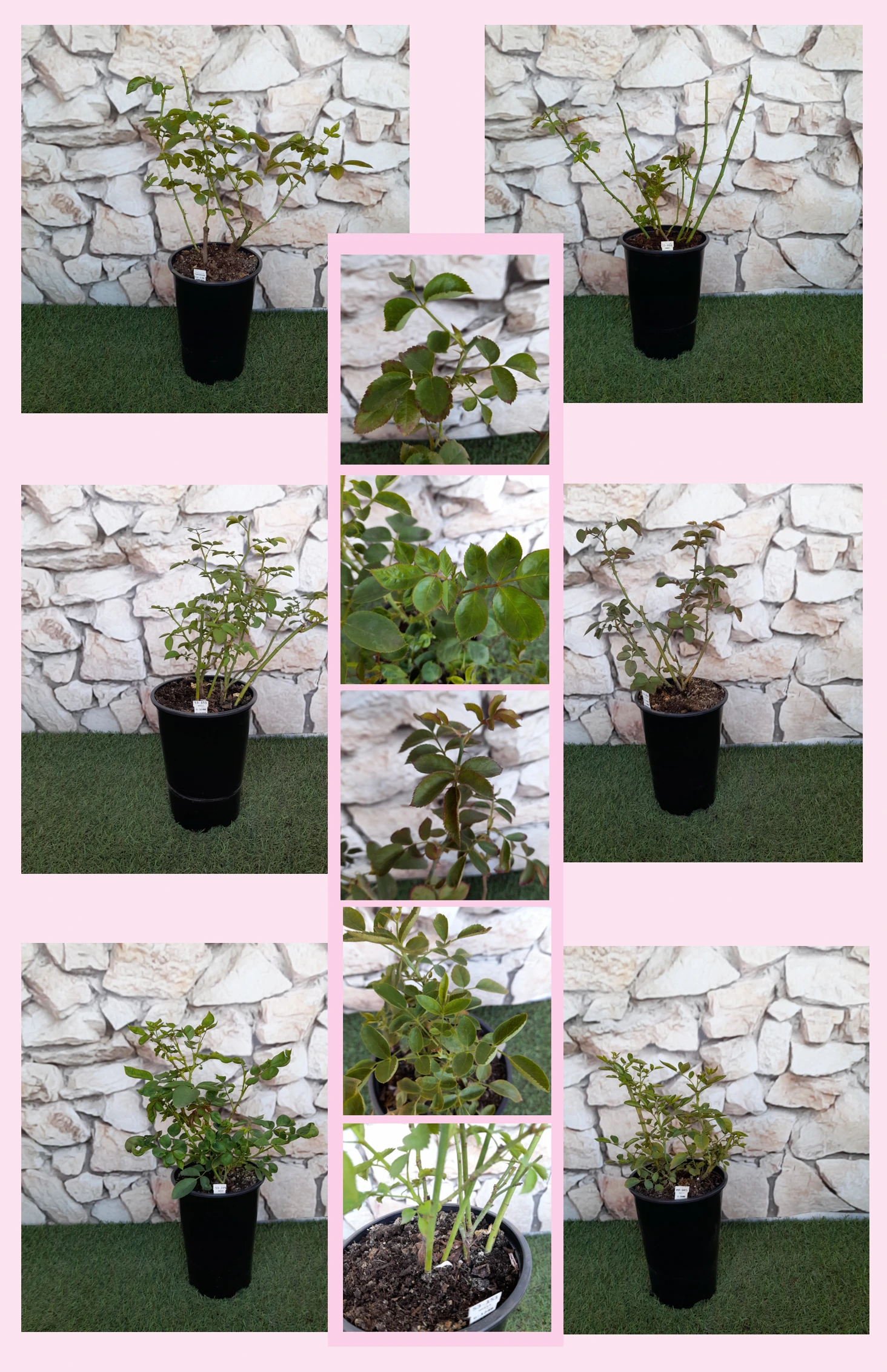
Schöne Veitshöchheimerin – yellow bedding floribunda rose – Márk
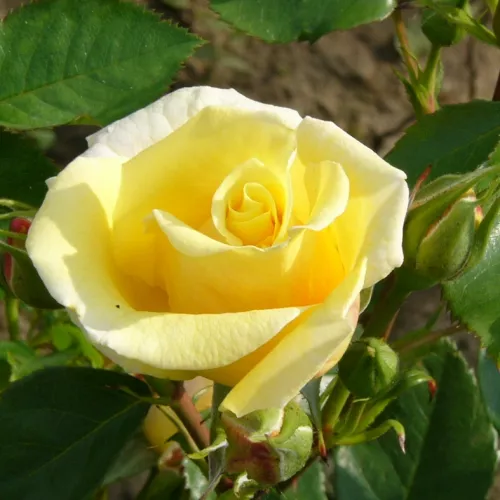
If you would like a rose that simply fits into a small Irish garden and thrives through soft rain and Atlantic breezes, Schöne Veitshöchheimerin is a friendly choice: a bushy shrub with dense, glossy foliage and generous clusters of cupped, golden-yellow blooms that repeat all summer. Its remontant flowering keeps colour in your beds well into autumn, while the mild, fresh, fruity fragrance adds a light, cheerful note rather than overwhelming the space. This own-root plant builds up quietly and reliably – roots in the first year, stronger shoots in the second, then full garden presence by the third – so you enjoy a genuinely long-lived, stable feature with less fuss. Plant once, mulch well on heavier clay and look forward to years of soft, yellow light and relaxed garden contentment.
Usage options
| Target area | Reasoning |
|---|
| Front cottage flowerbed near a path |
The bushy, 65–95 cm shrubs form a welcoming band of golden-yellow colour along a path without growing too tall or unruly, perfect for narrow Irish cottage front beds where space is precious yet you still want impact for everyday passers-by and beginners. |
| Low, informal flowering hedge |
Planted at 40 cm spacing, the dense, mid-green foliage knits into a soft, semi-transparent hedge, with repeated flushes of flowers giving a friendly edge between garden areas while the own-root habit supports a long-lived boundary for homeowners. |
| Mixed perennial and rose border |
Its medium height and cluster-flowered heads sit comfortably with cottage-style perennials, providing reliable structure and a steady stream of blooms through changeable Irish summers, easing design decisions for time-poor urbanites. |
| Mass bedding in small family lawns |
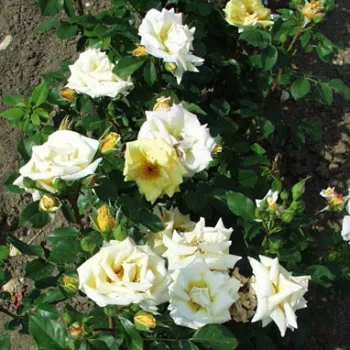
At 4–5 plants per m², uniform habit and repeat flowering create a continuous yellow block of colour that looks “kept” even when you skip a weekend in the garden, ideal for busy families wanting effect rather than routine from their planting. |
| Feature rose in a large container |
In a 40–50 litre pot with decent drainage, one plant forms a rounded, floriferous mound on patios or balconies; own-root resilience means it copes better with occasional missed watering than many grafted roses, reassuring cautious beginners. |
| Rain-washed, exposed front gardens |
Bred and tested in Central Europe, it adapts well to cool, moist conditions and regular rainfall, so in breezy Irish streets you mainly focus on decent soil preparation and mulching, rather than constant spraying, which suits practical-minded gardeners. |
| Long-term, low-intervention family planting |
The combination of medium care needs and solid winter hardiness down to about -20 °C means once established it becomes a stable garden element that recovers well from knocks and pruning, a reassuring trait for long-term planning families. |
| Nature-friendly, gently productive spaces |
Although the double flowers are only modestly attractive to pollinators, the small orange-red hips that follow add seasonal interest and light wildlife value in autumn, complementing more pollinator-focused plants for thoughtful nature‑lovers. |
Styling ideas
- Cottage-Ribbon – Thread a row along a low picket fence with Knautia macedonica ‘Red Knight’ bobbing behind for a pink-and-gold country feel – for romantic cottage-garden owners.
- Sunny-Carpet – Mass-plant in a square or hexagonal grid in front of evergreen shrubs to create a glowing yellow “carpet” that still looks tidy in winter – for busy families wanting order and colour.
- Golden-Patio – Grow a single shrub in a 50 litre terracotta pot with trailing thyme at the base to soften the rim and add scent – for balcony and small-terrace dwellers.
- Front-Door – Flank a Dublin terraced-house doorway with two matching containers, underplanting with grey santolina for a soft yellow-and-silver welcome – for urban homeowners who like a composed entrance.
- Meadow-Edge – Plant loose drifts at the edge of a mown lawn with cypress spurge and airy grasses, letting the rose provide structure while companions feed pollinators – for nature-oriented hobby gardeners.
Technical cultivar profile
| Parameter | Data |
|---|
| Name and registration |
Schöne Veitshöchheimerin bedding floribunda rose, shrub type; collection: bedding rose; commercial group: Rósra bhláthchlóis; breeder’s series by Márk, distributed by PharmaRosa from 2021. |
| Origin and breeding |
Bred by Gergely Márk in Hungary around 1991 from unknown parents; introduced to the market by PharmaRosa Ltd. in 2021 as a robust, decorative floribunda for beds and urban landscapes. |
| Growth and structural characteristics |
Bushy, medium-height shrub, typically 65–95 cm tall and 60–85 cm wide, with dense, glossy mid-green foliage and moderate prickliness; forms rounded, compact bushes suitable for beds, edging and low hedges. |
| Flower morphology |
Large, 7–10 cm double flowers with 26–39 petals, cupped in form, borne in clusters of three to seven blooms per stem; remontant habit with abundant secondary flowering under normal garden care. |
| Colour data and phenology |
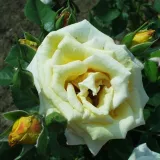
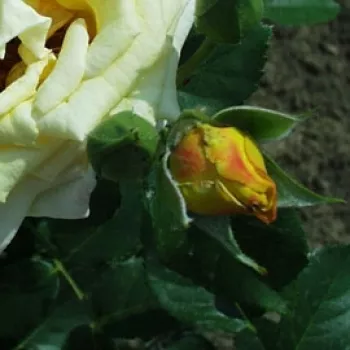
Strong golden-yellow blooms, buds bright lemon-yellow; outer petals slightly lighter, inner petals deeper; colour fades to pale cream-yellow with ivory-white petal tips as flowers age in sun and rain. |
| Fragrance and aroma |
Soft, fresh, mildly fruity fragrance, noticeable at close range without dominating small spaces; suitable for paths and seating areas where a light, unobtrusive scent is preferred over intense perfume. |
| Hip characteristics |
Produces moderate quantities of small, spherical hips, around 7–11 mm in diameter, ripening to orange-red; adds a modest autumn accent and some wildlife interest after the main flowering flush. |
| Resistance and winter hardiness |
Medium disease resistance to black spot, mildew and rust; generally comparable to similar Márk varieties. Winter hardy to about -21 to -18 °C (H7, USDA 6b), tolerating typical Irish winters reliably. |
| Horticultural recommendations |
Plant in well-drained but moisture-retentive soil, spacing 40–80 cm depending on use; enrich clay and mulch well. Medium maintenance with occasional plant protection; suitable for beds, parks and urban green spaces. |
Schöne Veitshöchheimerin offers long-season golden blooms, compact bushy growth and dependable hardiness in an own-root form that matures into a resilient, low-fuss shrub over the years, making it a thoughtful choice for relaxed Irish gardens.