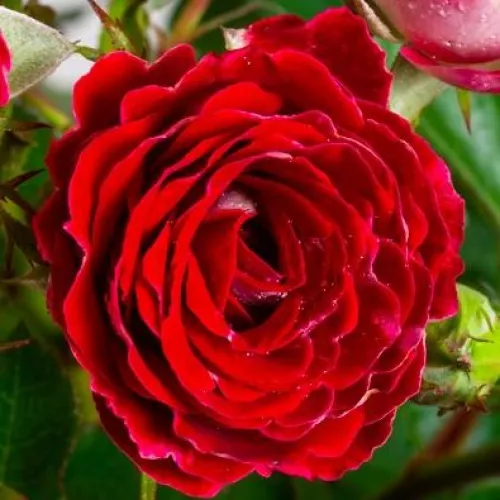
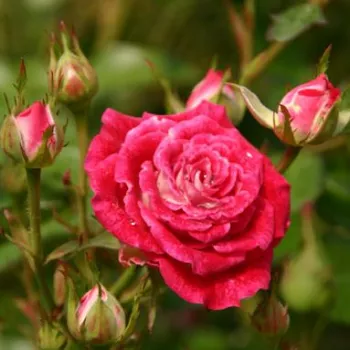
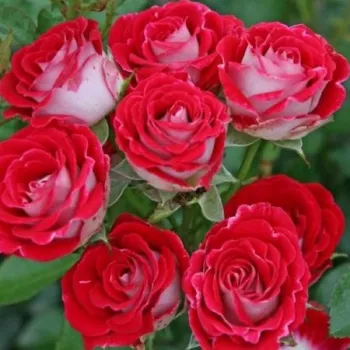
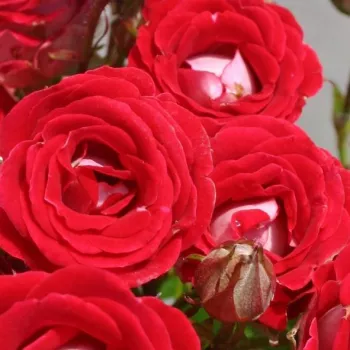
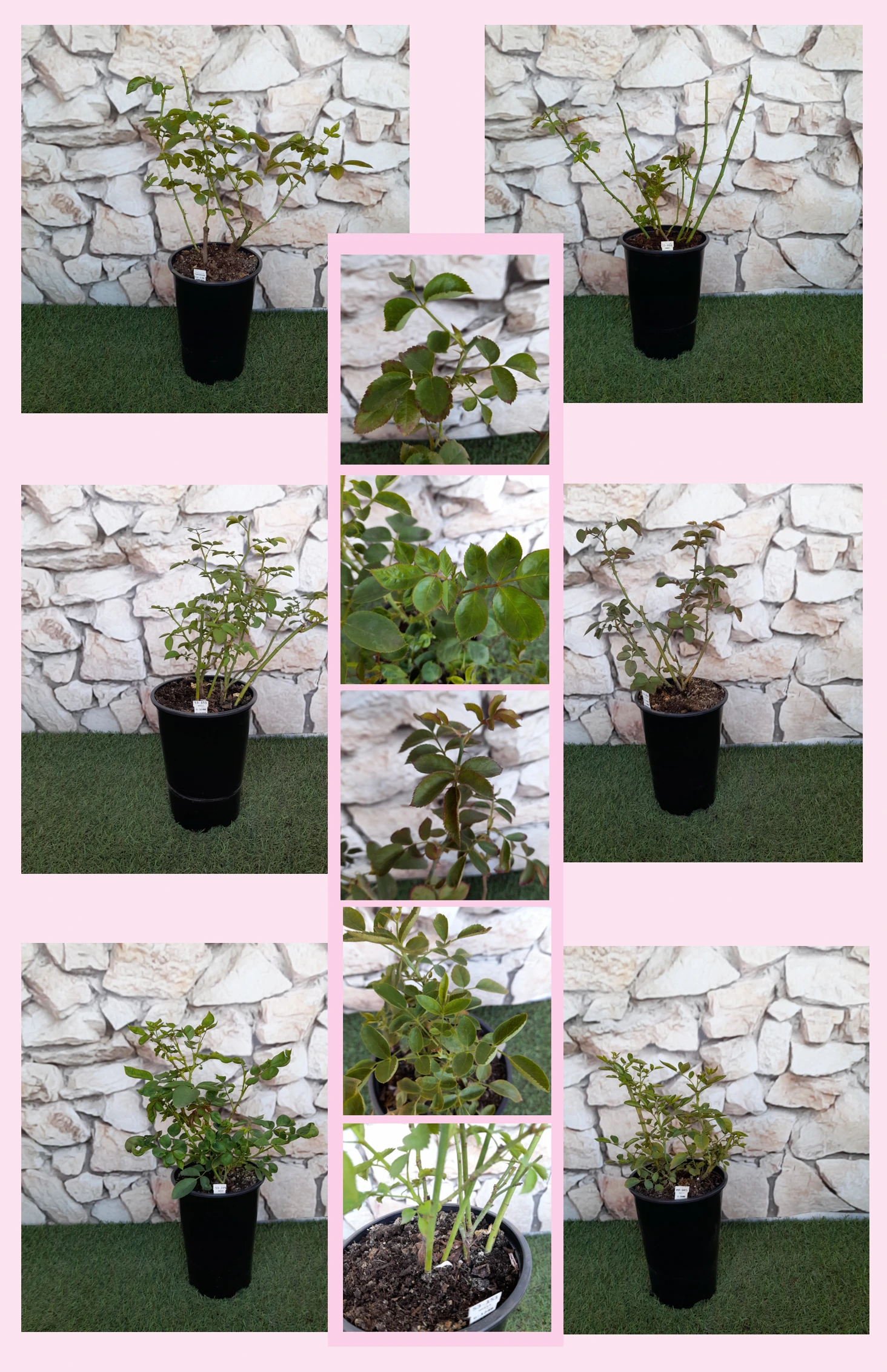
Schöne Koblenzerin ® – raspberry-cream-white flowerbed floribunda rose
Step outside for a few minutes of soft garden daydream and let Schöne Koblenzerin ® light up your beds with a cheerful, raspberry‑and‑cream glow. This compact floribunda was bred for reliable, season‑long colour in modest‑sized Irish gardens, coping serenely with damp, shifting weather while keeping foliage neat and glossy. Its semi‑double clusters repeat flower generously, so your front path or cottage border feels gently alive from early summer well into autumn. Because it is supplied on its own roots, it settles steadily and can regenerate from the base, supporting a long, stable ornamental lifespan with less work for you. Think of it as a three‑year unfolding: first strong roots, then confident shoots, then a full, romantic display that becomes part of your garden’s everyday rhythm.
Usage options
| Target area |
Reasoning |
| Front garden flowerbed beside a path or driveway |
The compact, upright habit and generous clusters of raspberry‑cream blooms give instant street‑side impact without overwhelming tight Dublin terraces or small suburban plots, offering months of colour with only basic deadheading for busy beginners |
| Low, informal hedge along a boundary or front fence |
Regular flowering and dense, glossy foliage create a soft, semi‑formal edging that looks well groomed most of the year, while self‑cleaning blooms keep the line tidy so you are not constantly pruning or clearing petals for time‑pressed homeowners |
| Feature clump in an Irish cottage‑style border |
Planted in a group, its compact structure and repeat flushes of colour weave easily among perennials, providing a long‑lasting focal patch that will rebuild itself from the base over the years thanks to the practical resilience of an own‑root rose for romantic gardeners |
| Large patio container near a seating area |
In a 40–50 litre pot with good drainage, this bushy floribunda forms a neat, moveable mound of flowers that copes well with exposed, changeable conditions and can be shifted to keep key views bright through the season for urban balcony‑owners |
| Mixed rose bed with other floribundas and shrubs |
The medium height, bushy habit and remontant flowering make it an excellent team player, filling gaps between taller shrubs and lower edging plants while maintaining a balanced structure and dependable repeat display for collection‑minded enthusiasts |
| Family garden play‑area border |
The barely thorny stems and compact framework mean fewer scratches around paths and lawns, yet children still enjoy the changing flower colours as they fade from raspberry to cream without the plant sprawling into play space for cautious parents |
| Season‑long colour strip in front of evergreen shrubs |
Against a backdrop of dark foliage, the raspberry‑cream flowers and medium green leaves give welcome light and movement over a long season, handling our cool summers and frequent showers with reliable repeat blooms for colour‑seeking owners |
| Low‑maintenance rose display with planned renewal |
The ADR‑rated vigour, own‑root stability and steady repeat flowering mean that, once established in decent soil with mulch and drainage, it offers years of reliable structure and colour with just routine pruning and occasional care for practical planners |
Styling ideas
- Cottage‑edge trio – Plant three in a loose triangle near the front door, underplant with soft pink gypsophila and lamb’s ears to echo the raspberry‑cream blooms – for lovers of relaxed Irish cottage entrances
- Raspberry ribbon – Run a short, gently curving hedge of these roses along a path, backed by dark green yew or Portuguese laurel so the flowers read as a bright, continuous ribbon – for those refining narrow front gardens
- Patio spotlight – Use a single plant in a generous terracotta pot, surrounded by white alyssum or trailing lobelia to emphasise the changing flower tones – for balcony and patio owners wanting easy, movable colour
- Soft sunset mix – Combine with Liatris ‘Kobold’, calamint and airy grasses; the vertical spikes and purple tones contrast with the compact, glowing shrubs – for gardeners creating naturalistic, bee‑friendly borders
- Family‑friendly corner – Place a small group near a seating area, with low, fragrant herbs at the front and rounded box balls behind to frame the nearly thorn‑free shrubs – for families seeking beauty without harsh, spiky planting
Technical cultivar profile
| Characteristic |
Data |
| Name and registration |
Floribunda bedding rose; registered as KORburox, traded as Schöne Koblenzerin ®. ARS exhibition name Schöne Koblenzerin, premium silver cultivar rating within the antoniaROSE® ORIGINAL range. |
| Origin and breeding |
Bred by Tim‑Hermann Kordes, W. Kordes’ Söhne, Germany, from unknown parentage. Bred 1999, registered 2009, introduced commercially in 2011 and supplied here as an own‑root, container‑grown garden rose. |
| Awards and recognition |
Holds the prestigious ADR (Allgemeine Deutsche Rosenneuheitenprüfung) award from 2009, indicating tested garden merit, good performance and reliability under low‑input, real‑world conditions in multiple trial locations. |
| Growth and structural characteristics |
Compact, upright, bushy shrub reaching about 60–85 cm high and 50–75 cm wide. Dense, medium green, glossy foliage; naturally neat outline; stems are only lightly armed, making handling, pruning and positioning near paths easier. |
| Flower morphology |
Semi‑double, cup‑shaped clusters; 13–25 petals per bloom with a small flower size of 1–4 cm. Floriferous trusses on short stems; remontant habit with abundant second and later flushes, providing season‑spanning display in beds and borders. |
| Colour data and phenology |
Raspberry cream‑white bicolour flowers (ARS rb; RHS 155C, 60A). Buds deep raspberry red with silvery edges; blooms fade from velvety raspberry‑pink to pale pink and cream, especially in cool weather, creating softly changing colour effects. |
| Fragrance and aroma |
Light, sweet, rose‑like fragrance, generally perceived as very weak and easily missed in windy or exposed positions. Chosen primarily for visual display and garden structure rather than for strong scent or fragrance‑led planting schemes. |
| Hip characteristics |
Occasional small, spherical hips are produced after flowering, around 5–8 mm in diameter and orange‑red in colour, adding a modest late‑season accent when not deadheaded, though the plant is mainly valued for its ongoing bloom. |
| Resistance and winter hardiness |
Rated hardy to about –21 to –18 °C (H7; USDA 6b; Swedish Zone 3). Disease resistance medium to black spot, mildew and rust; benefits from good air flow and hygiene. Heat tolerance good with watering during extended dry spells. |
| Horticultural recommendations |
Best in full sun with fertile, well‑drained soil; avoid waterlogging on heavy clay by improving drainage and mulching. Plant 40 cm apart in masses, 35 cm for hedging, 65 cm as specimens; 5–6 plants/m² depending on pattern and design. |
Schöne Koblenzerin ® offers compact, long‑season colour, a gentle, family‑friendly habit and durable own‑root growth, making it a thoughtful choice for easy, lasting beauty in everyday Irish gardens.