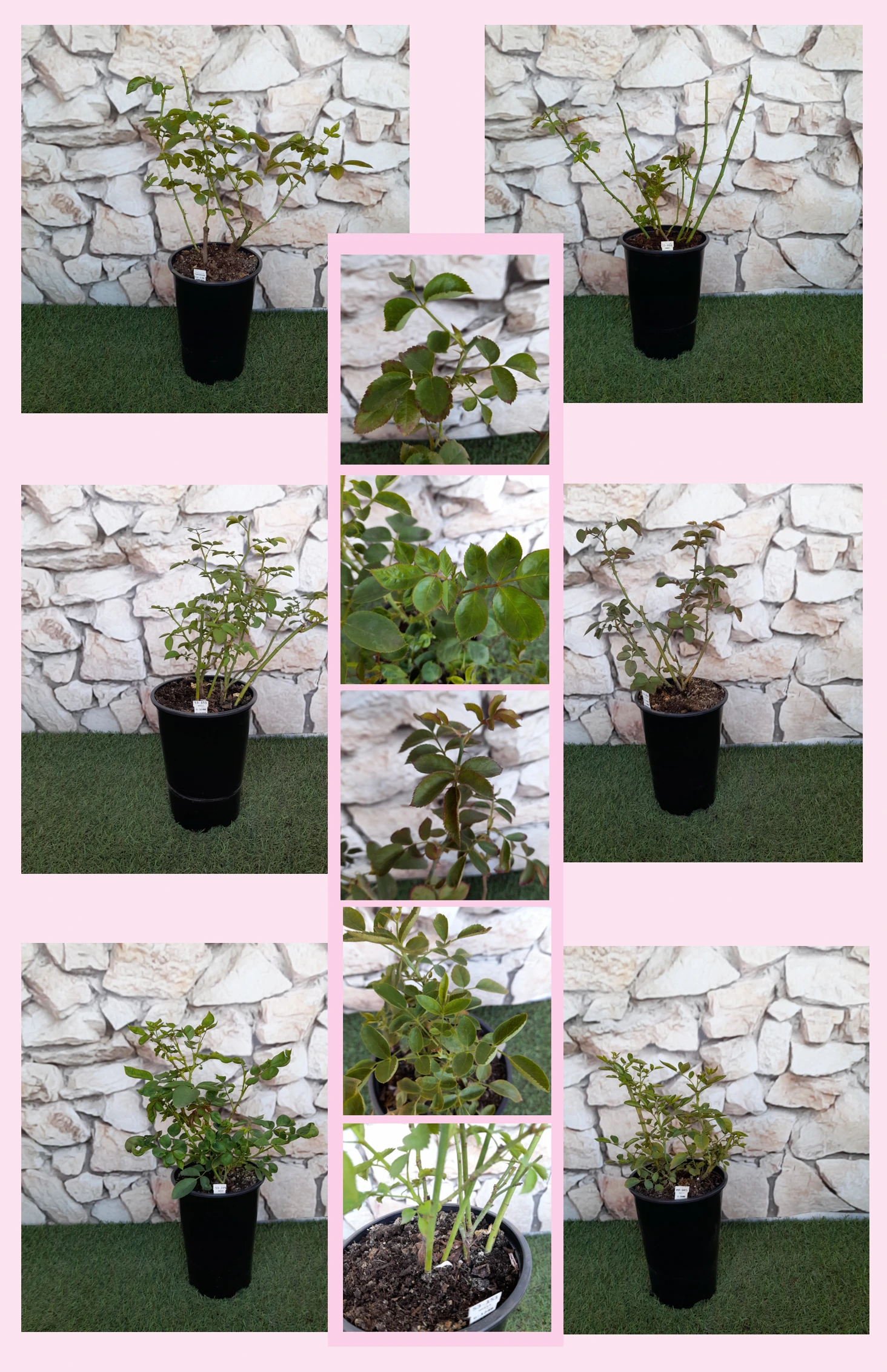
ROSA PIMPINELLIFOLIA SINGLE CHERRY – dark red landscape shrub rose
If you love a relaxed, “girly” cottage-garden look, Rosa pimpinellifolia Single Cherry surrounds you with cheerful cherry-red single blooms and softly glowing stamens, offering a light, spicy fragrance and a calm sense of contentment. Its natural, bushy habit needs very little attention, yet in early summer it covers itself in flowers that bees and hoverflies adore, then follows with decorative black hips for winter structure. This own-root shrub settles steadily, with roots in year one, stronger shoots in year two and full ornamental value by year three, forming a durable, habitat-rich hedge or specimen for small Dublin front gardens and breezier cottage plots that face cool air, wet spells and strong Atlantic showers. Easygoing on most soils, it rewards simple planting and light yearly care with years of resilient, nature-friendly beauty.
Usage options
| Target area | Reasoning |
|---|
| Low-maintenance cottage front garden |
This once-flowering shrub rose creates a generous early-summer display, then quietly looks after itself with dense, matte foliage and good disease resistance, ideal where you want colour without constant pruning or spraying, especially for busy urban homeowners who enjoy simplicity. |
| Pollinator-friendly wildlife corner |
The simple, cherry-red flowers with exposed yellow stamens offer easily accessible pollen and nectar, and the later black hips feed birds, helping you turn an unused corner into a lively, small-scale habitat that will particularly appeal to nature-oriented gardeners who value pollinators. |
| Informal flowering hedge along a boundary |
Its bushy growth, dense prickliness and reliable hardiness down to very low winter temperatures make it well suited for an informal hedge, providing privacy, habitat and a single, dramatic flowering wave for Irish family gardens lived in by people who appreciate security. |
| Groundcover on tough or poorer soils |
This variety tolerates dry, nutrient-poor conditions and full sun once established, making it a smart choice for sunny banks or rougher ground where other roses struggle, especially for gardeners working with challenging sites who still hope for colour. |
| Rain-exposed coastal or suburban site |
With generally healthy foliage and good resilience, it copes steadily where roses may face cool winds and persistent rainfall, offering reliable structure and seasonal flowering in typical Irish plots that often deal with frequent damp days and occasionally blustery Atlantic weather. |
| Feature shrub in a mixed perennial bed |
The medium-sized, clustered blooms and dark hips combine beautifully with cottage perennials, giving a strong early-summer highlight and then background texture without becoming overbearing, which suits design-conscious homeowners who prefer a single, characterful centrepiece. |
| Large container on patio or terrace (40–50 L+) |
Planted in a spacious, well-drained pot of at least 40–50 litres, this rose offers a robust, seasonal focal point with fragrance and pollinator interest, ideal where soil is poor or paved over, especially for balcony and patio owners seeking impact. |
| Long-term, resilient family-garden planting |
As an own-root shrub, it can regenerate from its base and maintain a stable shape over many years, maturing steadily into a durable, wildlife-friendly feature that fits the rhythm of family life, suiting beginners and busy gardeners who value lasting reliability. |
Styling ideas
- Cottage-Romantic Border – Underplant with lavender, Nepeta and Scabiosa caucasica for a soft, bee-filled front-garden strip – perfect for homeowners wanting an easy, storybook cottage feel.
- Wildlife Ribbon Hedge – Plant as an informal hedge with mixed native shrubs, allowing hips to ripen for birds – ideal for nature-first families creating a child-friendly exploration edge.
- Cherry-and-Gold Contrast – Pair the crimson blooms with yellow perennials and Hypericum for glowing summer colour – suited to gardeners who enjoy bold yet naturalistic combinations.
- Seaside-Ready Bank – Use on a sunny slope with grasses and drought-tolerant perennials to knit soil together – good for coastal or exposed plots needing toughness with charm.
- Terrace Feature Pot – Grow one plant in a 50-litre container with trailing thyme at the base – fitting for city dwellers who want fragrance and pollinators on a compact patio.
Technical cultivar profile
| Parameter | Data |
|---|
| Name and registration |
Botanical shrub rose marketed as Rosa pimpinellifolia Single Cherry, a dark red landscape shrub; historic, unregistered variety also listed as Neptune™ in exhibition contexts. |
| Origin and breeding |
Old botanical shrub rose with unknown breeder and parentage, introduced around 1820; traditional, long-tested garden and landscape rose rather than a recent breeding programme release. |
| Growth and structural characteristics |
Bushy, densely thorned shrub reaching 100–150 cm in height and 100–200 cm spread, with dense, mid- to grey-green foliage forming a full, sheltering shape suitable for hedging and groundcover. |
| Flower morphology |
Medium-sized, single, cup-shaped flowers with 5–12 petals borne in clusters; non-remontant once-flowering type providing a distinct, concentrated early-summer display rather than repeat flushes. |
| Colour data and phenology |
Deep, velvety crimson-pink to dark red blooms with yellow stamens; colour softens to deep mauve-pink as flowers age; flowering is seasonal and abundant in its main early-summer period only. |
| Fragrance and aroma |
Medium-strength, noticeable scent with a rich, spicy, classic wild-rose character; fragrance is most appreciable near the shrub on still, mild days during peak early-summer flowering. |
| Hip characteristics |
Forms small, spherical, dark black hips approximately 10–15 mm across; visually striking in autumn and winter and considered a good natural food source for garden birds and other wildlife. |
| Resistance and winter hardiness |
Very hardy shrub tolerating approximately −37 to −32 °C (USDA zone 3a) with good resistance to powdery mildew, black spot and rust under normal conditions and steady tolerance of heat and drought. |
| Horticultural recommendations |
Use as specimen, hedge, group, groundcover or habitat shrub; suitable for borders and large containers with spacing from 90–225 cm; prefers drained soil, benefits from mulching and occasional formative pruning. |
Rosa pimpinellifolia Single Cherry offers a single, spectacular early-summer flowering for pollinators, strong resilience and handsome hips, and as an own-root shrub it promises long, steady garden value, making it a thoughtful choice for relaxed Irish family gardens.