REPORTER – red climbing rose – Tantau
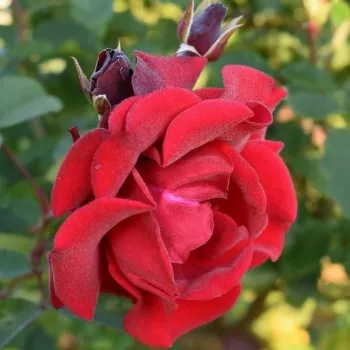
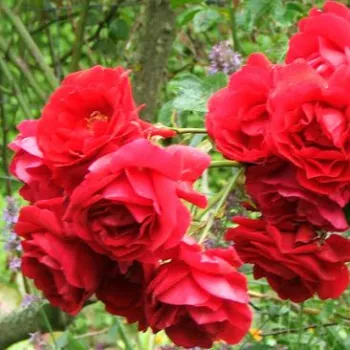
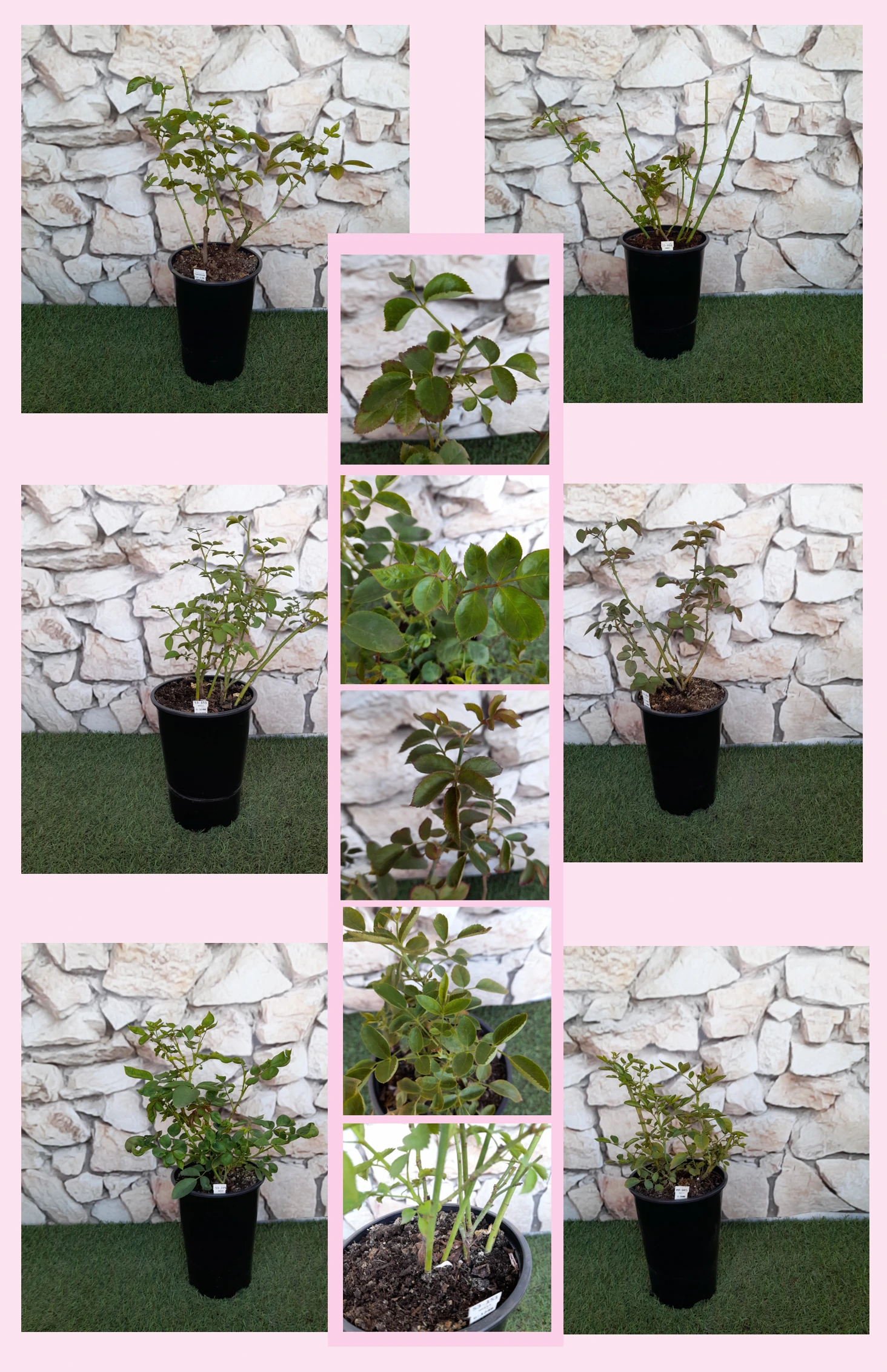
REPORTER is a richly flowering red climbing rose that wraps walls, arches and terraces in a soft glow of velvety colour, even when showers pass and you take a short walk outside under raindrops; its semi-double blooms are gently fragrant, welcoming bees and other pollinators while the glossy dark foliage stays fresh-looking through typical Irish summers with their humidity and frequent rain; as an own-root climber it settles in securely and builds strength year after year, rewarding light seasonal maintenance with reliable repeat flowering and a long-lived presence on pergolas and fences; ideal where you want a romantic, “girly” cottage-garden feel in a small Dublin front garden or a family back garden, giving you time to enjoy the view rather than worry about fungicides or complex care routines, and following the natural rhythm of Year 1 for roots, Year 2 for shoots, and Year 3 for full ornamental impact.
Usage options
| Target area |
Reasoning |
| House wall or sunny gable |
Strong climbing growth to around 2,5–3,5 m creates a long-lived vertical feature that softens bare masonry and brightens rendered walls with deep red blooms; own-root stability helps it stay productive for many years – ideal for the thoughtful homeowner. |
| Rose arch over a garden path |
Semi-double, cluster-flowered roses repeat well, giving a generous flush followed by an abundant second flowering, so every walk through the arch feels special for months rather than weeks – perfect for the romantic garden beginner. |
| Family terrace or seating area backdrop |
The light, rose-scented aroma and rich scarlet-red tones create a cheerful, cosy backdrop without being overpowering, giving gentle fragrance on summer evenings while you relax outside – suitable for busy urban families. |
| Cottage-style boundary fence |
Dense, glossy dark-green foliage and medium disease resistance keep the plant looking tidy with modest care, reducing the need for frequent spraying and complicated regimes – reassuring for low-intervention gardeners. |
| Dublin terraced-house front garden |
Its compact spread and vertical habit allow big colour in a small footprint, with accessible semi-double blooms that attract bees and hoverflies, bringing life and movement to city streets – attractive to nature-oriented buyers. |
| Feature pillar or obelisk in lawn |
Climbing canes can be tied to a sturdy support to form an elegant red column, providing long-season interest and a clear focal point without taking over the whole garden – appealing for style-conscious owners. |
| Large container by front door (40–50 L+) |
In a generous container with good drainage, own-root growth builds a lasting plant that can be pruned and reshaped if needed; even after weather damage it regenerates from the base and regains its form – convenient for space-limited residents. |
| Wind-sheltered coastal or exposed suburban site |
With medium disease resistance and a preference for sun, it copes well with moist, changeable Irish weather and benefits from a spot where Atlantic breezes dry the foliage after showers, helping limit fungal problems – helpful for coastal gardeners. |
Styling ideas
- Cottage-Arch – Train REPORTER over a wooden arch, underplanting with blue hardy geraniums and foxgloves to echo its long flowering and romantic feel – for lovers of soft, storybook gardens.
- City-Accent – Use a single plant on trellis in a small front garden, pairing with neat box balls to highlight its vertical habit and tidy foliage – for urban homeowners wanting quick impact.
- Wildlife-Ribbon – Let it scramble along a fence with hemp agrimony and blanket flower, creating a semi-natural, pollinator-friendly strip buzzing with life – for nature-focused gardeners.
- Evening-Nook – Grow it behind a bench or patio set, combining with pale campanulas and white phlox so the scarlet blooms and light scent frame your seating – for those who cherish calm outdoor corners.
- Hero-Pillar – Spiral canes around a metal obelisk in lawn or border, edging with low catmint to emphasise its bold colour and strong structure – for gardeners who enjoy clear focal points.
Technical cultivar profile
| Characteristic |
Data |
| Name and registration |
Climbing rose from the Rós dreapadó group; registered as TANklesant, marketed as Reporter Climbing rose TANklesant, also known in exhibition circles as Santana. |
| Origin and breeding |
Bred by Mathias Tantau Jr. at Rosen Tantau, Uetersen, Germany; introduced in Europe as a large-flowered climbing garden rose for decorative vertical landscaping uses. |
| Growth and structural characteristics |
Vigorous climber, typically 225–375 cm high with 110–190 cm spread; dense, glossy dark-green foliage and many prickles; weak self-cleaning means spent blooms usually need removing. |
| Flower morphology |
Semi-double, cup-shaped flowers, usually 13–25 petals, 7–10 cm across; borne in clusters; repeats well with a generous second flush, giving a long decorative flowering season. |
| Colour data and phenology |
Almost black buds open to velvety deep red, then bright scarlet, eventually soft cherry red; colour retention moderate, with flowers gradually lightening before petal fall. |
| Fragrance and aroma |
Light, restrained fragrance with a classic rose-scented character; noticeable at close range along paths or seating areas but not overpowering around windows or doors. |
| Hip characteristics |
Moderately abundant, ovoid hips 10–18 mm in diameter; bright red (RHS 43A) fruits add late-season decorative value and additional wildlife interest in autumn and early winter. |
| Resistance and winter hardiness |
Medium resistance to black spot, powdery mildew and rust; hardy to about –21 to –18 °C (RHS H7, Swedish Zone 3, USDA 6b) when planted in suitable soil and aspect. |
| Horticultural recommendations |
Best on sunny walls, fences, arches or pergolas; space 140–230 cm depending on use; prefers fertile, drained soil with winter mulch and occasional plant protection in damp seasons. |
REPORTER – red climbing rose – Tantau offers long-lived vertical colour, repeat flowering and gentle fragrance on resilient own roots, making it a wise choice for Irish gardens where you value beauty with manageable care.