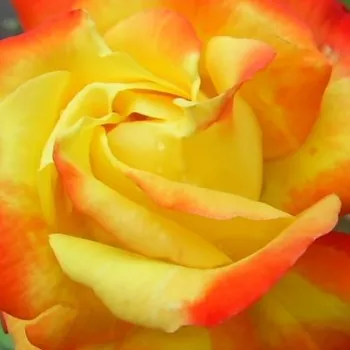
SAMBA® – yellow-red bedding floribunda rose – Kordes
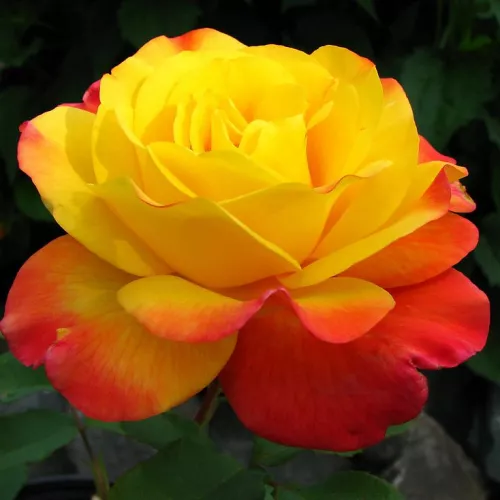
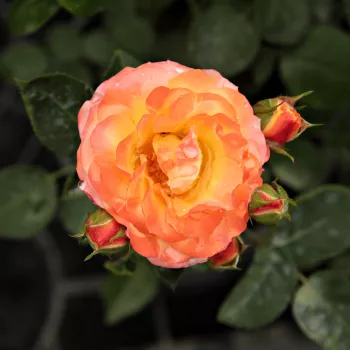
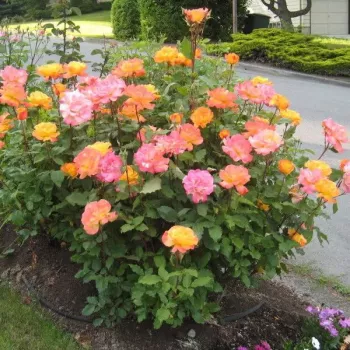
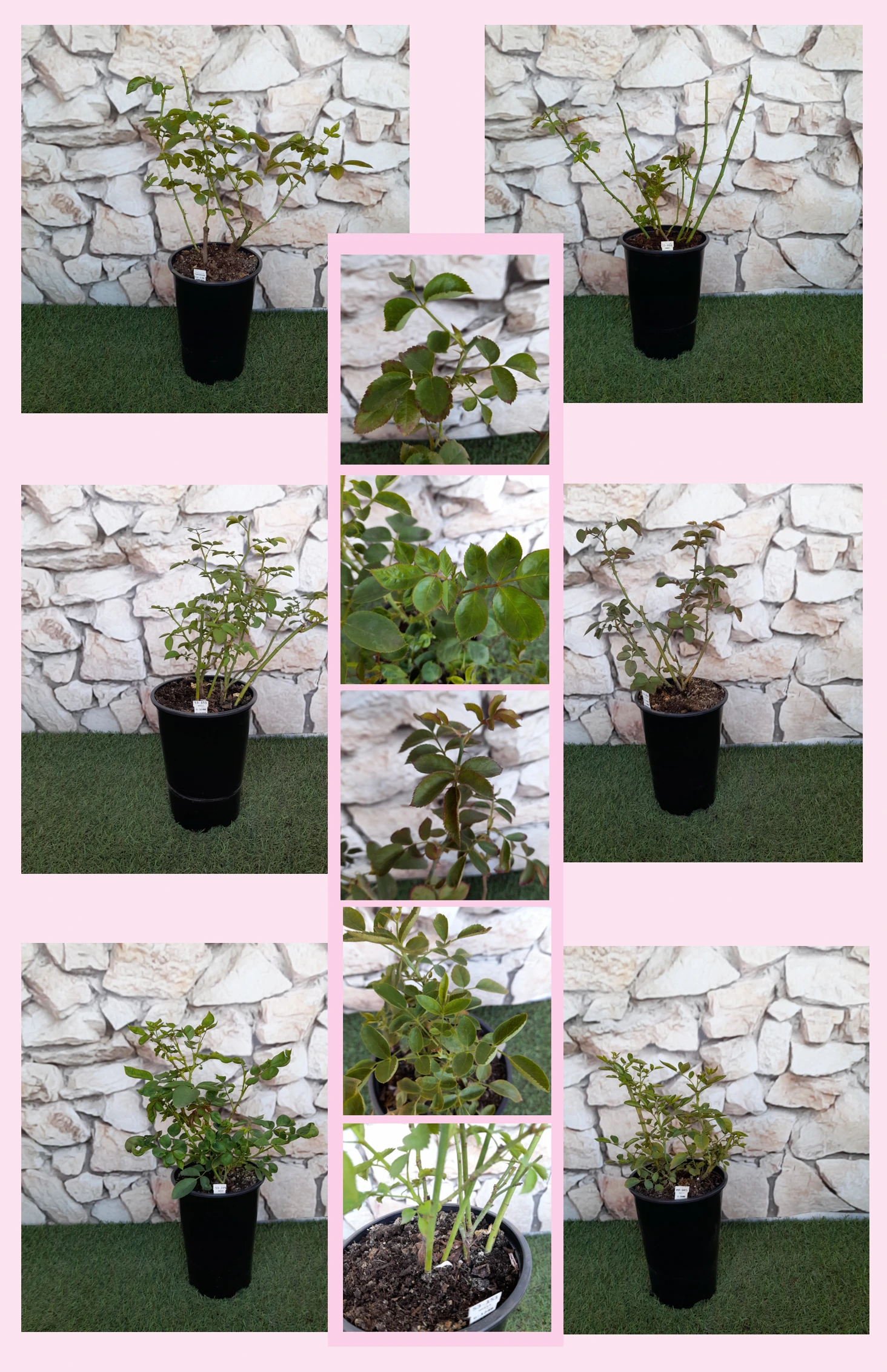
Let SAMBA® bring a touch of carnival colour to your Irish garden with its vibrant golden-yellow blooms edged in crimson-red, lighting up beds and front gardens even under soft, grey skies and rain. This compact, bushy floribunda offers reliable, repeat flowering from early summer, with generous second flushes that keep the display going through our shorter seasons. Own-root planting means a naturally stable, long-lived shrub that shrugs off winter down to around -20 °C and quietly regenerates after weather setbacks, so you can enjoy dependable lifespan without fussy routines. Medium maintenance and solid disease resistance suit busy households who want cheerful impact rather than constant chores. In typical Irish clay, a modestly raised, well-drained bed lets roots settle, and over three seasons you will notice the gentle arc from building roots, to stronger shoots, to a fully developed samba of colour weaving itself into your everyday view.
Usage options
| Target area | Reasoning |
|---|
| Front garden bed by the path |
SAMBA®’s compact, bushy habit and vivid yellow-red blooms create an instant welcome along a short path or beside a front door, without outgrowing a modest space; ideal for an easy-care, cheerful entrance for beginners. |
| Cottage-style mixed border |
In an Irish cottage border, its repeat flowering keeps colour running between perennials, while the own-root form offers long-term reliability and regeneration in the same spot, suiting relaxed, informal planting for homeowners. |
| Low flowering hedge along a boundary |
Planted at hedge spacing, the bushy, compact structure knits into a tidy, low edging that is simple to trim and refresh, giving a defined yet soft boundary line that suits busy but style-conscious families. |
| Small urban front garden bed |
The moderate height and 35–55 cm spread make it perfect where space is tight, giving high visual impact from the pavement with only occasional deadheading and pest checks, ideal for time-pressed city gardeners. |
| Raised bed on heavy clay soil |
In heavier Irish soils, a slightly raised, free-draining bed lets the own-root plant establish securely, building a resilient framework that delivers season-after-season blooms with modest upkeep, reassuring for cautious starters. |
| Feature cluster in a lawn island bed |
Planting groups at specimen spacing creates a bold, samba-like colour block that repeats through summer; the shrub’s compact, bushy form stays neat, needing only light pruning, suiting low-maintenance focal points for busy. |
| Large container on a sunny terrace |
Grown in a 40–50 litre pot with good drainage, SAMBA® provides concentrated colour near seating areas; own-root resilience means the plant copes better with repotting and wintering, fitting relaxed outdoor living for balconies. |
| Family play-area border edge |
Its moderate height and stable, compact framework give a bright but unobtrusive edging near lawns or play spaces, offering long-term structure and easy seasonal tidy-ups that suit practical, safety-conscious garden planners. |
Styling ideas
- Cottage-Ribbon – Run a wavy ribbon of SAMBA® along a low picket fence, interplanting with Campanula trachelium to echo the roses’ compact hedge-like line – for lovers of soft, old-fashioned cottage charm.
- Terrace-Triangle – Group three plants in a 50 litre pot, underplant with trailing thyme to contrast textures while keeping care simple – for small-terrace owners wanting vivid colour with minimal work.
- Front-Step – Flank a doorstep with mirrored beds of SAMBA® and Lonicera nitida ‘Maigrün’, using the rose for colour and the shrub for evergreen edging – for tidy, welcoming entrances in city streets.
- Lawn-Island – Create a circular island of SAMBA® ringed with low Tanacetum parthenium, using the rose’s compact framework as the backbone – for families seeking a bright but easy-to-mow focal point.
- Clay-Comfort – In raised beds over heavy clay, mix SAMBA® with hardy perennials in soft yellows and blues, letting its repeat flowering carry the scheme – for gardeners wanting reliability in challenging soil.
Technical cultivar profile
| Property | Data |
|---|
| Name and registration |
SAMBA® Fantasia® (KORcapas), floribunda shrub rose; commercial type bedding floribunda, ARS exhibition name Samba; collection Fantasia®, trade name SAMBA® Fantasia®. |
| Origin and breeding |
Bred by Reimer Kordes, W. Kordes’ Söhne, Germany; cross ‘Columbine’ × ‘Independence’; bred and registered 1964, first introduced by NIRP International, France. |
| Growth and structural characteristics |
Bushy, compact shrub to around 55–75 cm high and 35–55 cm wide, moderately thorny, with moderately dense, glossy dark green foliage forming a tidy framework for bedding and edging. |
| Flower morphology |
Semi-double, cup-shaped, medium clusters, about 4–7 cm across, with 13–25 petals; remontant with particularly abundant second flush, some spent blooms self-cleaning, others requiring light deadheading. |
| Colour data and phenology |
Golden-yellow base with crimson-red margins; ARS yb, RHS 46A outer, 14B inner; colour lightens in strong sun as red deepens, producing a vivid pre-fading red with a faint yellow base. |
| Fragrance and aroma |
Fragrance is very weak and barely perceptible in normal garden use; the variety is grown primarily for its lively, two-tone colour effect rather than for scented display or cutting. |
| Hip characteristics |
Occasional spherical hips, 10–14 mm diameter, red-orange (RHS 40A); decorative late-season interest may occur but fruiting is typically light and not the primary ornamental feature. |
| Resistance and winter hardiness |
Medium overall disease resistance; good resistance to powdery mildew and black spot, moderate rust susceptibility; hardy to about -21 to -18 °C (RHS H7, USDA 6b, Swedish zone 3). |
| Horticultural recommendations |
Best in a sunny position with free-draining soil; medium maintenance with occasional pest and disease checks; spacing 30–50 cm depending on use, 10–11.5 plants/m² for mass or hedge planting. |
SAMBA® offers compact, colourful structure, repeat flowering and long own-root reliability in everyday Irish gardens, a thoughtful choice if you favour easy enjoyment over intensive gardening work.