ROYAL GOLD – golden-yellow climbing rose - Morey
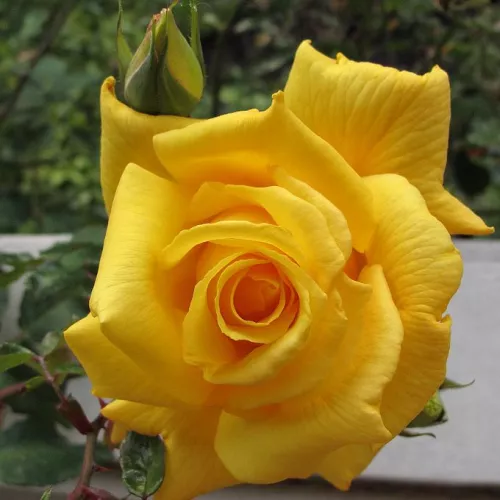
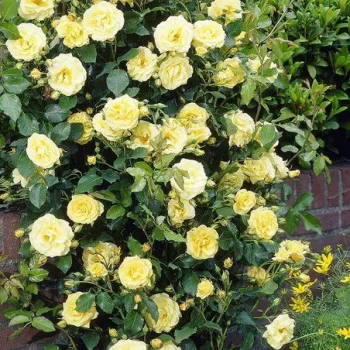
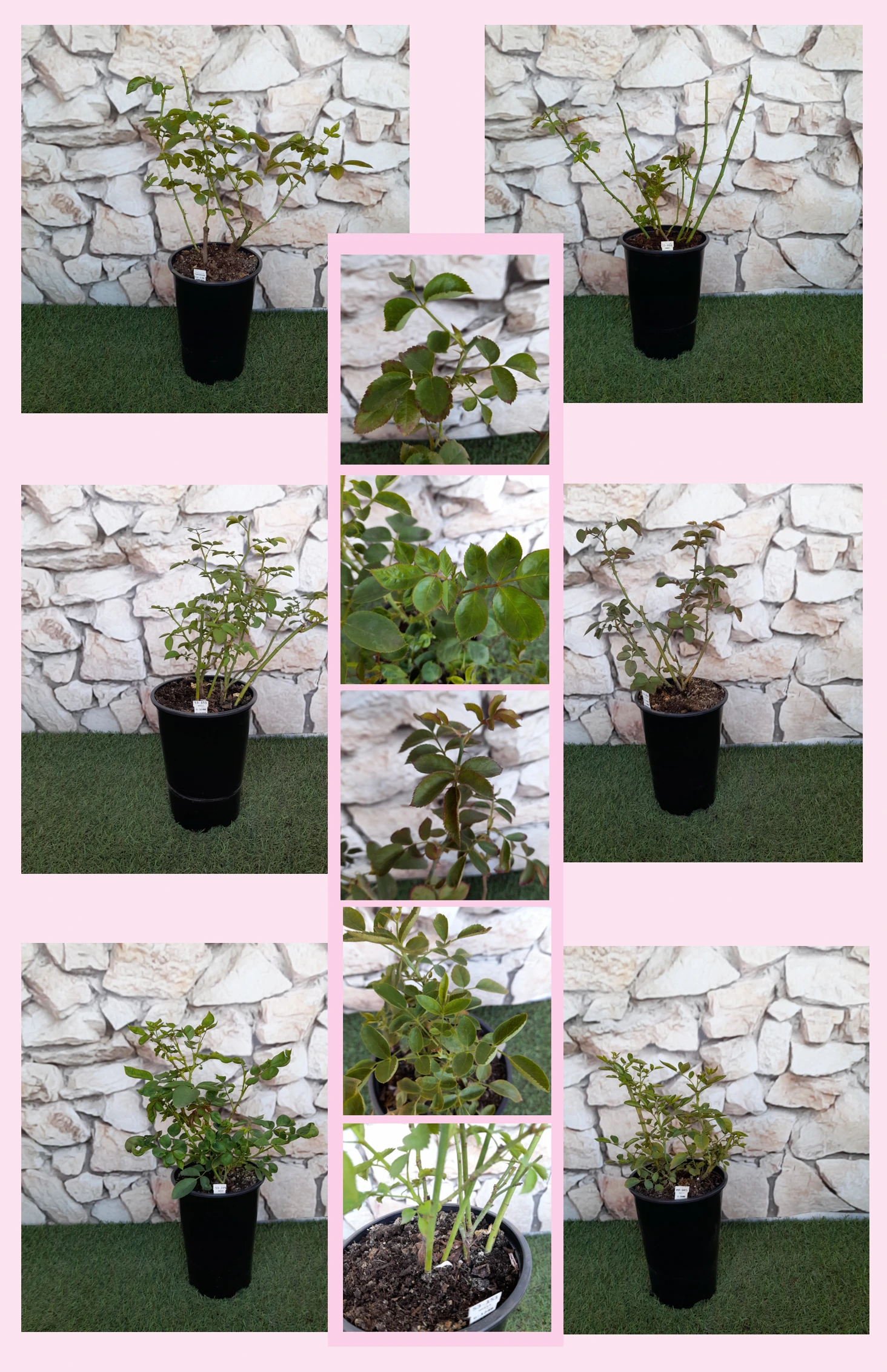
If you dream of a cottage-style archway or Dublin terrace wrapped in golden blooms, Royal Gold offers an easy, long-lived solution for the typical Irish garden. Its rich, sweet, fruity fragrance carries beautifully after rain and on damp evenings, while the large, double, cup-shaped flowers keep their colour well even in our changeable weather. This reliable climber repeats strongly, giving generous flushes from early summer into autumn and coping well with moist air and frequent showers typical of Irish summers. Grown on its own roots, it establishes steadily and repays simple care with years of structural beauty and dependable flowering. Expect a natural progression: in the first year it concentrates on roots, the second brings stronger shoots, and by the third year it becomes a full, glowing feature.
Usage options
| Target area |
Reasoning |
| Cottage arbour or arch in a family back garden |
Royal Gold’s vigorous climbing habit and 2,60–4,00 m height make it ideal for clothing an arbour or arch, creating a romantic, “girly” tunnel of scent and golden colour over seating or play areas for beginners |
| Dublin terraced-house front wall or railing |
The rose’s medium maintenance needs and repeat flowering give a smart, elegant display on a narrow front plot, bringing cheerful colour and perfume with minimal fuss for busy |
| Feature pillar or obelisk near a seating area |
Large, strongly scented blooms are perfect beside a bench or patio, where you can enjoy the fruity fragrance and rich colour up close through the season for fragrance-lovers |
| Sunny fence-line in a small to medium family garden |
With 2,00–3,20 m spread, Royal Gold quickly softens boundaries, flowering repeatedly while needing only occasional pruning and deadheading, ideal where you want impact without complex routines for homeowners |
| Specimen climber on a pergola in exposed, rainy sites |
This variety tolerates heat and moderate drought once established, and copes well with moist air and frequent showers typical of many Irish locations, giving stable structure and colour for coastal |
| Cut-flower corner for home vases |
The large, double, 7–10 cm blooms and strong stems make handsome cut flowers; planting one or two can provide regular, scented stems for the house through summer for creative |
| Long-term backbone rose in a new garden |
As an own-root plant, Royal Gold forms a durable framework that regenerates well from the base, avoiding rootstock suckers and keeping its ornamental value stable over many years for planners |
| Large container (minimum 40–50 litres) on a sunny patio |
In a generous pot with good drainage and support, this climber offers height, colour and perfume where soil is limited, maturing from modest first-year growth to a full display by year three for urbanites |
Styling ideas
- Cottage-arch – Train Royal Gold over a wooden arch and underplant with Lychnis viscaria ‘Alba’ to echo the golden blooms with frothy white, perfect for romantic cottage paths – Irish cottage owners
- Sunny-fence – Cover a back garden fence and weave in Gaillardia x grandiflora; the hot yellow and red tones create a long-flowering, low-effort strip – relaxed family gardeners
- Formal-pillar – Grow on a metal obelisk in a lawn or gravel circle, keeping the base mulched for easy care and a timeless, structured focal point – lovers of classic design
- Front-elegance – On a Dublin terrace railing, pair with soft grasses in the foreground to balance the strong colour while keeping maintenance simple – busy city households
- Scented-seat – Place a bench beneath a pergola clothed in Royal Gold, adding a few fragrant herbs at ground level for layered perfume with minimal upkeep – evening-garden enjoyers
Technical cultivar profile
| Property |
Data |
| Name and registration |
Climbing rose ‘Royal Gold’, large-flowered climber; registered cultivar name Royal Gold, ARS exhibition name Royal Gold; commercial name Royal Gold Climbing rose Royal Gold. |
| Origin and breeding |
Bred by Dr Dennison Harlow Morey, USA, 1957; parentage Cl ‘Goldilocks’ × ‘Lydia’ (HT, 1949); initially distributed by Jackson & Perkins Co; unregistered variety in official registers. |
| Growth and structural characteristics |
Vigorous climbing habit, 2,60–4,00 m high and 2,00–3,20 m spread; moderately dense, glossy mid-green foliage; moderately thorny canes; best trained on supports for arches, walls and pergolas. |
| Flower morphology |
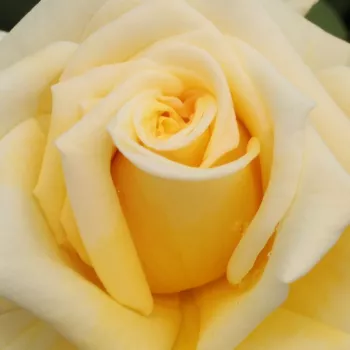
Large, double, cup-shaped blooms, 7–10 cm; 26–39 petals; mostly solitary flowers; remontant, with generous first flush and abundant second flush later in the season when well supported and fed. |
| Colour data and phenology |
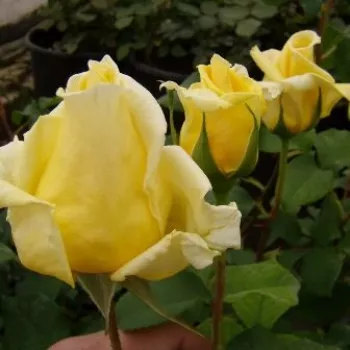
Deep golden-yellow buds, shading to ochre at tips; freshly opened flowers bright golden-yellow, petal edges lemon; colour long-lasting, slightly lighter in heat, deeper in cool weather; ARS dy, RHS 12A–12B. |
| Fragrance and aroma |
Strong, sweet, fruity scent with classic rose character; fragrance noticeable at a distance in still air and especially effective near paths, seating areas and entrances for regular daily enjoyment. |
| Hip characteristics |
Occasional small, ovoid hips, 10–15 mm diameter, orange-red when ripe; hips are decorative but not produced in large numbers, as the plant is primarily grown for its striking flowers. |
| Resistance and winter hardiness |
Hardy to about −21 to −18 °C (RHS H7, USDA 6b, Swedish zone 3); good heat and moderate drought tolerance once established; resistant to powdery mildew and black spot, medium susceptibility to rust. |
| Horticultural recommendations |
Prefers sunny sites with fertile, well-drained soil; space 2,35–4,00 m depending on use; medium maintenance with occasional pruning and deadheading; tie in new shoots promptly to form a stable framework. |
Royal Gold combines rich golden-yellow blooms, strong fragrance and reliable repeat flowering with the long-term stability of an own-root climber, making it a thoughtful choice for shaping characterful Irish gardens.