ROSENSTADT FREISING ® – white-pink bedding floribunda rose - Kordes
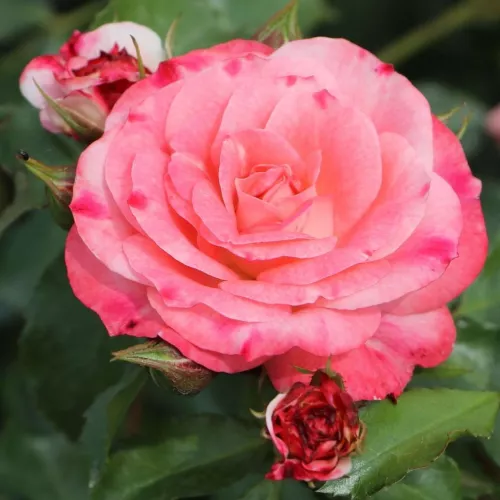
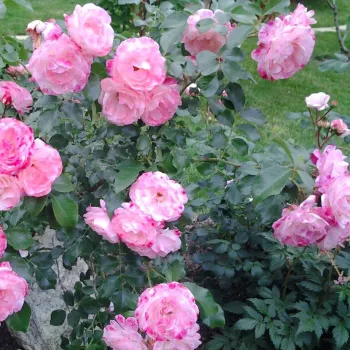
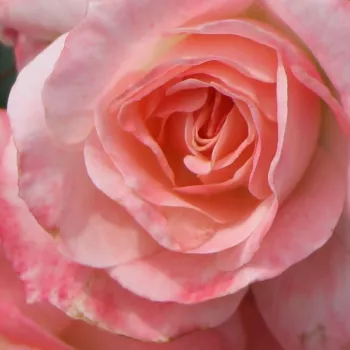
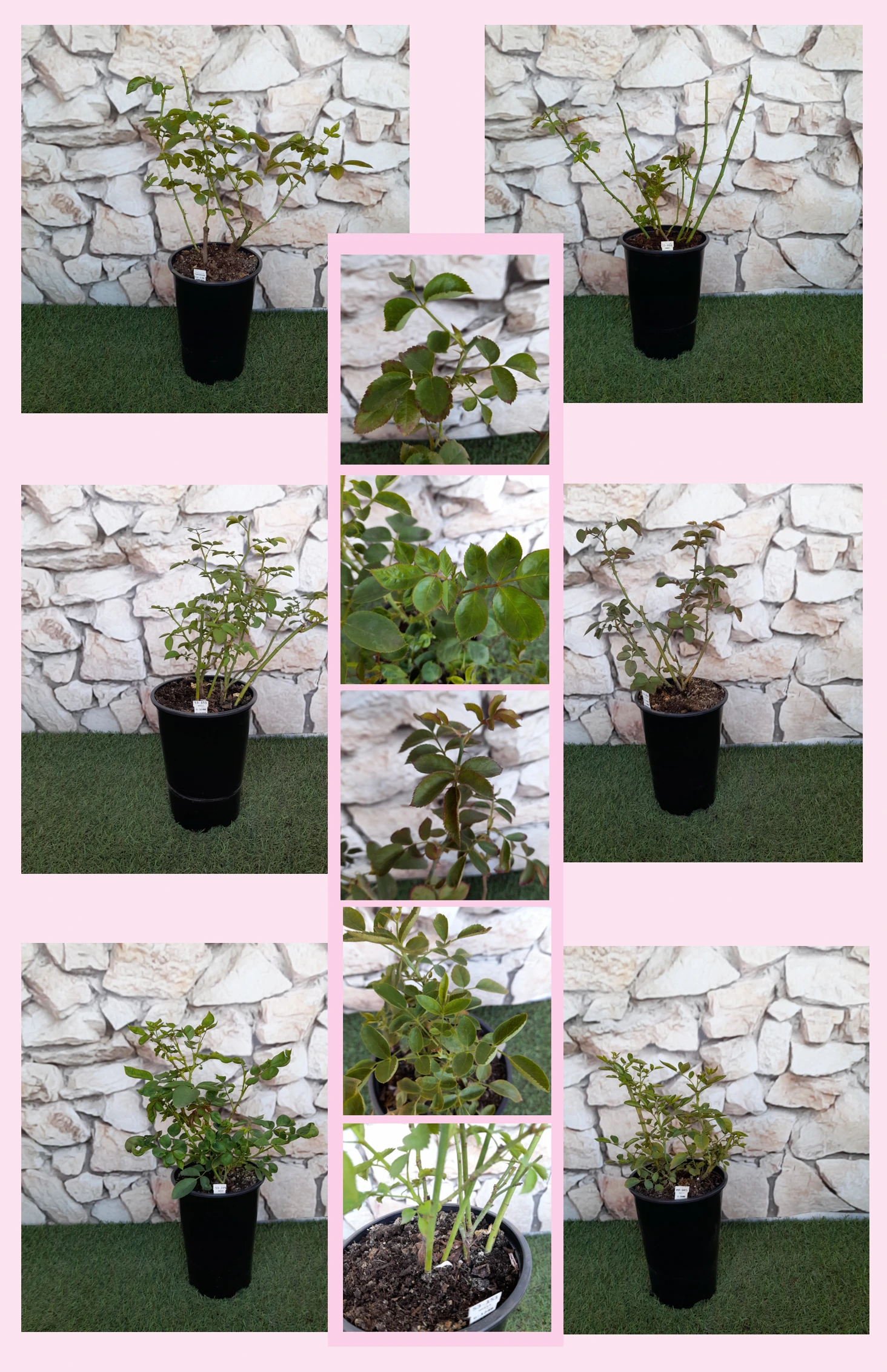
Step outside after a shower and you can almost see raindrops clinging to the white-and-pink blooms of ROSENSTADT FREISING, their light, cupped petals bright against glossy dark foliage in soft garden sunlight. Bred by Kordes for modern gardens, this floribunda keeps flowering in generous flushes, coping calmly with damp Irish summers and the kind of humidity that often troubles fussier roses. Its semi-double, bee-attracting flowers open cleanly, then drop their petals neatly, so borders stay naturally orderly with very little effort. Planted as an own-root rose in your cottage-style bed or tidy Dublin front garden, the plant builds a strong underground framework for a genuinely long lifespan: the first year is about roots, the second about confident growth, and by the third your shrub shows its full ornamental impact, maturing into a reliable, easy-care feature you can quietly enjoy for many seasons.
Usage options
| Target area |
Reasoning |
| Cottage-style mixed flower bed |
The upright habit and medium height make ROSENSTADT FREISING ideal for weaving through perennials in a relaxed cottage bed, while its own-root nature supports a long, dependable lifespan with minimal replacements over the years – ideal for the time-pressed beginner. |
| Dublin terraced-house front garden |
Its compact spread and continuous flowering give a smart, welcoming look to smaller front gardens, with self-cleaning blooms reducing deadheading so the plant stays neat through busy work weeks – a good fit for urban homeowners. |
| Low-maintenance flowering hedge |
Close spacing creates a colourful, semi-formal hedge where disease-resistant foliage and good hardiness keep maintenance low, while own-root resilience allows the plants to regenerate well after pruning – reassuring for cautious buyers. |
| Family back garden seating area |
The soft white-and-pink flowers and dark green foliage create a gentle backdrop for seating, with remontant flowering providing colour all summer, even in cooler, shorter seasons typical of many Irish gardens – perfect for relaxed gardeners. |
| Pollinator-friendly border strip |
Semi-double blooms with exposed stamens offer easy access to pollen and nectar, encouraging bee visits along paths and boundaries without overwhelming fragrance, complementing wildlife planting schemes for nature-loving residents. |
| Clay soil family garden |
Once planted with decent drainage and a layer of mulch, ROSENSTADT FREISING’s robust root system and disease resistance cope well with heavy Irish clay that stays moist after rain, suiting practical, low-intervention owners. |
| Large patio container (40–50 litres) |
In a generous container with quality compost and regular watering, this shrub rose forms a long-lived, own-root specimen that can be moved to catch the best light, bringing cottage charm to paved spaces used by busy urban families. |
| Small park or communal green space |
Mass planting at recommended spacing produces a reliable carpet of colour, with ADR-level disease resistance and low maintenance needs keeping long-term care straightforward for those managing shared spaces and community projects. |
Styling ideas
- Cottage-Ribbon – thread ROSENSTADT FREISING between tall phlox and Lychnis for a pink-and-white cottage band along a path – suits romantically minded front-garden owners.
- Front-Door-Framing – plant a pair in 50-litre tubs each side of a doorway, underplanting with soft grasses to highlight the cupped blooms – ideal for style-conscious city dwellers.
- Bee-Border – mix with single daisies and herbal sages to build a low pollinator strip where semi-double roses sit among nectar-rich perennials – made for nature-focused families.
- Soft-Hedge – line a drive or low boundary at hedge spacing, letting the shrubs knit into a flowering, child-friendly division instead of a hard fence – good for suburban households.
- Green-Backdrop – combine with variegated Artemisia for contrast, using the dark glossy foliage as a foil for lighter foliage textures – appealing to design-aware hobby gardeners.
Technical cultivar profile
| Characteristic |
Data |
| Name and registration |
Floribunda shrub rose; registered as KORcoptru, trade name ROSENSTADT FREISING; also marketed within the Heckenzauber collection; exhibition name recognised by the American Rose Society. |
| Origin and breeding |
Bred by Tim-Hermann Kordes, W. Kordes’ Söhne, Germany; cross of ‘Coppelia ’76’ × Flower Carpet; bred 1993, introduced and registered 2003; selected for health and bedding performance. |
| Awards and recognition |
ADR award 1996 for garden performance and health; multiple international medals including Rome, Monza, Kortrijk and Geneva, plus Certificate of Merit at Hradec Králové, confirming strong trial-garden value. |
| Growth and structural characteristics |
Upright, bushy floribunda shrub reaching about 100–140 cm in height and 65–95 cm spread; dense, glossy dark green foliage; moderately thorny stems; generally forms a full, well-branched garden presence. |
| Flower morphology |
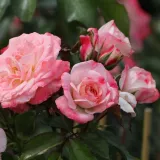
Semi-double, cupped blooms with 13–25 petals in clusters; medium-sized flowers around 4–7 cm; remontant with generous repeat flushes; self-cleaning, with spent blooms dropping cleanly to maintain a tidy appearance. |
| Colour data and phenology |
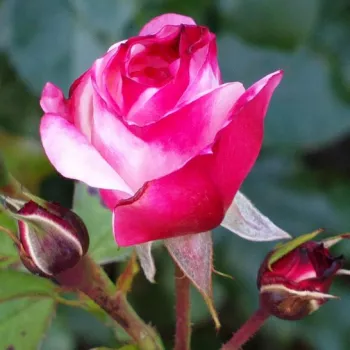
White base with carmine-red petal edges and fine pink speckling; ARS code WB; RHS 155D and 53A; colour softens in strong sun, with pink margins fading; buds are narrow, conical and red-tipped over a white base. |
| Fragrance and aroma |
No noticeable fragrance reported; valued primarily for visual effect, repeat flowering and landscape use rather than scent, making it suitable where fragrance is unnecessary or could conflict with other scented plants. |
| Hip characteristics |
Produces moderate quantities of small, spherical hips, around 8–12 mm, in vivid orange-red tones; decorative in autumn and potentially useful for wildlife interest in mixed plantings when flowers are left to set fruit. |
| Resistance and winter hardiness |
Good overall disease resistance; resistant to powdery mildew and black spot, moderate against rust; hardy approximately to −21 to −18 °C (RHS H7, USDA 6b, Swedish Zone 3), coping well with typical Irish winters. |
| Horticultural recommendations |
Best in fertile, well-drained soil with mulch, including heavier clay sites once drainage is improved; spacing 55 cm in mass plantings; partial shade tolerant; low-maintenance needs, with routine watering during extended drought. |
ROSENSTADT FREISING ® rewards you with long-season colour, low-maintenance health and a durable own-root structure that settles in for years, so you can confidently choose it as a reliable feature for your garden.