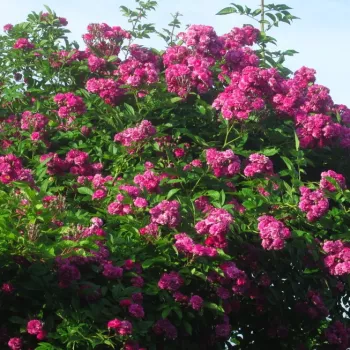
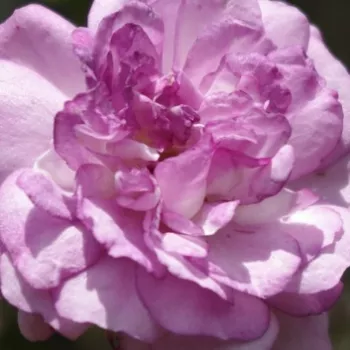
ROSE-MARIE VIAUD – lilac rambler climbing rose - Igoult
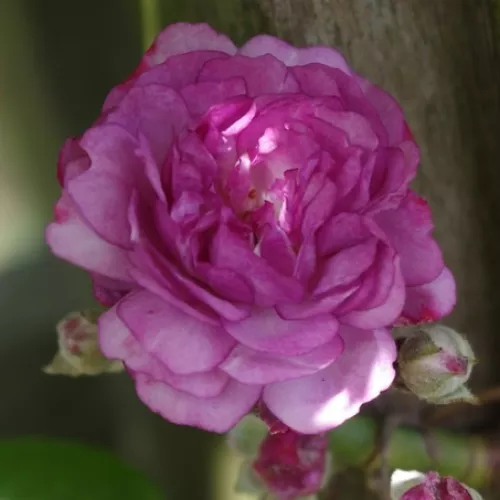
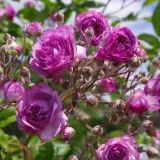
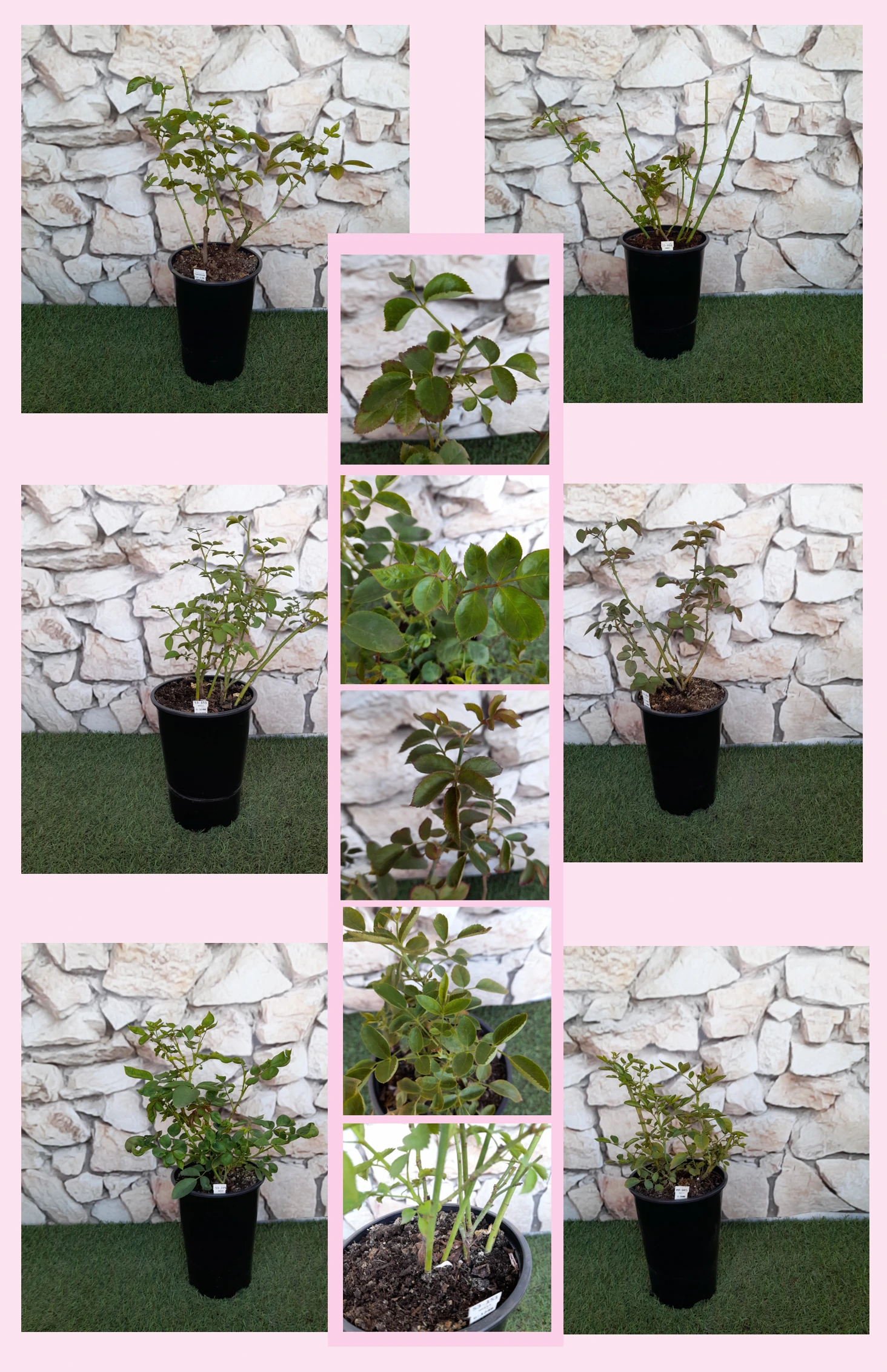
Let Rose-Marie wrap your garden in soft, nostalgic colour: clouds of small violet‑lilac clusters that gently fade to misty lilac‑grey, creating a dreamy cottage feel along fences or old stone walls. This once‑flowering rambler delivers a spectacular early‑summer display, ideal for greeting you on a short outdoor walk under raindrops, with cheerful contentment in cool, green light and a sense of relaxed romance. Growing on its own roots, it establishes steadily for a long life and reliable ornamental value, following the natural rhythm of Year 1 roots, Year 2 shoots, Year 3 full beauty, supporting your garden even where regular rain and heavier soils call for thoughtful drainage.
Usage options
| Target area |
Reasoning |
| Old stone wall or boundary wall |
Perfect for clothing a plain or weathered wall with a romantic veil of lilac clusters, this rambler’s arching growth softens hard lines and masonry. Expected to reach 3.6–5.5 m, it can be fan‑trained for full coverage. Best for those happy to give it sturdy support and a yearly tidy, beginners. |
| Garden pergola or arch |
The once‑a‑year flowering is spectacular on an arch or pergola, creating a short season of magic that frames paths in June with hanging sprays of cool‑toned blooms. Its barely prickly canes make tying‑in easier than many ramblers, particularly in busy family gardens, urban-owners. |
| Dublin terraced-house front garden |
Ideal where space is narrow but height is available, such as railings or house fronts. The airy foliage and medium density prevent a cramped feel, while the pastel fade of the blooms suits painted doors and brickwork. A good choice for compact Irish city plots, front-gardeners. |
| Irish cottage garden fence |
Along a timber or wire fence, its fountain of lilac flowers instantly echoes traditional cottage gardens. It partners beautifully with informal perennials and ornamental grasses, making even a simple boundary feel established and homely, particularly appreciated by romantics. |
| Solitary specimen on a large obelisk |
Used alone on a strong obelisk, its long, flexible canes can be spiralled upwards to form a vertical column of blossom, turning a lawn corner or patio bed into a seasonal focal point with very little ground space required, suiting smaller family gardens and newcomers. |
| Part-shaded side passage or alley |
Tolerant of partial shade, it copes better than many roses in side passages that get only part-day sun, where the lilac tones glow softly in cooler light, especially on damp Irish days when softer illumination flatters the colours, appealing to shade-challenged homeowners. |
| Large container on terrace or balcony |
For renters or paved gardens, it can be grown in a very large container of at least 40–50 litres with good drainage, allowing the own-root plant to mature slowly while still offering a curtain of colour against railings or screening panels, convenient for mobile gardeners. |
| Naturalistic mixed border in park or large garden |
In bigger spaces, it excels when let ramble informally into tall grasses and shrubs, its once‑a‑year show creating anticipation and seasonal drama, then receding into a gentle green backdrop that supports the scene for the rest of the year, valued by relaxed designers. |
Styling ideas
- Cottage-arch – Train Rose-Marie Viaud over a rustic wooden arch, underplant with foxgloves and hardy geraniums for a June tunnel of lilac and soft green – ideal for cottage-garden lovers.
- Soft-fence – Weave its canes along a simple post-and-wire fence with Pennisetum and daisies in front, creating a hazy, wind-tolerant boundary – perfect for exposed Irish family plots.
- Doorway-frame – Clothe railings and a side of the house around a front door, pairing with pots of lavender for scent and texture – suited to Dublin terraces seeking charm.
- Pastel-column – Grow a single plant on a tall metal obelisk among lawn or gravel, adding low catmint and thyme to keep things easy-care – good for busy homeowners.
- Romantic-corner – Let it spill over a stone wall with Liatris ‘Alba’ and blue Caryopteris to pick up the lilac and mauve tones – for gardeners who enjoy painterly colour blends.
Technical cultivar profile
| Parameter |
Data |
| Name and registration |
Rose-Marie Viaud is a rambler/polyantha climbing rose marketed as a lilac rambler; trade name Rose-Marie Viaud Climbing rose Igoult; unregistered cultivar with ARS exhibition name Rose-Marie Viaud. |
| Origin and breeding |
Bred by M. Igoult in France around 1924, from an open-pollinated seedling of ‘Veilchenblau’; first distributed by Hazlewood Bros. in Australia in 1926 and still valued as a heritage rambler. |
| Awards and recognition |
Certified in the Longwood Gardens 10-year Rose Trial, indicating reliable performance and ornamental value under extended garden testing rather than short-term show conditions. |
| Growth and structural characteristics |
Vigorous climbing habit with 3.6–5.5 m height and 1.5–2.2 m spread; long, relatively flexible, barely prickly canes; moderately dense, mid-green, slightly glossy foliage providing a soft, leafy screen. |
| Flower morphology |
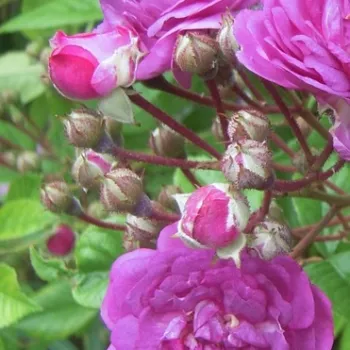
Semi-double, cup-shaped blooms, 1–4 cm across, borne in large clusters; 13–25 petals per flower. Non-remontant, flowering once in early summer, with medium self-cleaning so some spent flowers may need removal. |
| Colour data and phenology |
Buds dark violet-purple, opening crimson-purple outside and lighter inside, then maturing to cool purple and finally pastel lilac-grey. RHS 79A outer, 76C inner, creating a soft, muted lilac effect as trusses age. |
| Fragrance and aroma |
Fragrance is very weak and barely noticeable, so it is chosen primarily for its abundant colour and romantic clusters rather than scent; best combined with fragrant companions if perfume is important in the planting. |
| Hip characteristics |
Produces sparse, small, red, egg-shaped hips about 6–9 mm in diameter; ornamental value is modest, so the plant is best appreciated for its flowering season rather than autumn fruit display. |
| Resistance and winter hardiness |
Hardy to approximately -21 to -18 °C (RHS H7, USDA 6b, Swedish zone 3). Disease resistance is moderate to weak, with susceptibility to rust and leaf spots, so regular monitoring and protection may be needed. |
| Horticultural recommendations |
Suited to pergolas, walls, fences and specimen use. Requires fertile, well-drained but moist soil; avoid prolonged drought and extreme heat. Needs sturdy support, formative training, and periodic pruning to renew flowering wood. |
ROSE-MARIE VIAUD brings a once-a-year cascade of lilac glamour, graceful height for arches and walls, and the quiet reliability of an own-root rambler that will settle in for decades, making it a thoughtful choice for long-term garden structure.