ROSE DE TOLBIAC® – pink climbing rose - Kordes
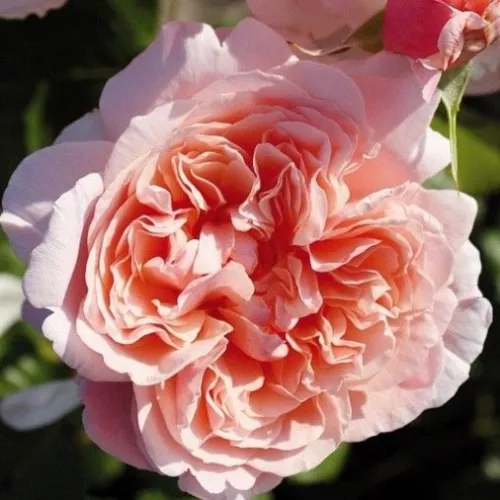
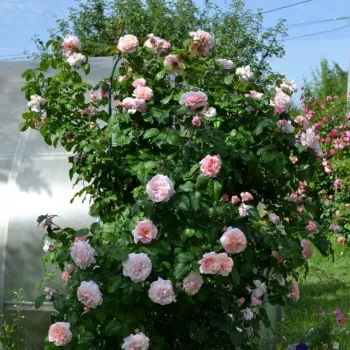
Rose de Tolbiac® brings a mood of soft garden light to Irish cottage paths and Dublin terraces, its generous, pastel rosette blooms glowing even after summer rain. This easy-going climber copes reliably with breezy, damp conditions and typical Irish showers, while its own-root vigour promises a long-lived, steadily improving presence on arches and walls. Very full, XL flowers in romantic pastel tones repeat through the season, giving you that feeling of cheerful contentment on a quick step outside the door. Once planted with decent drainage and a mulch to protect the soil, you can expect roots to establish in the first year, stronger shoots and flowering in the second, and full ornamental value by the third season.
Usage options
| Target area |
Reasoning |
| Cottage-style front garden arch |
The large, very full pastel blooms and graceful climbing habit create a storybook entrance over a gate or path, without demanding expert care; its own-root growth builds a dependable, long-lived arch for romantic cottage-style beginners. |
| Wall or fence cover in small family gardens |
With a height of around 1.8–2.8 m and moderate spread, this climber clothes plain block walls or timber fences in soft pink rosettes, repeat flowering from summer onwards with only occasional pruning for busy urban homeowners. |
| Pergola or seating area frame |
Heat-tolerant foliage and moderate drought tolerance suit more sheltered, sunny corners, while the strongly remontant flowering gives waves of colour above garden benches, offering long-term structure and shade for relaxed outdoor families. |
| Romantic feature near the front door |
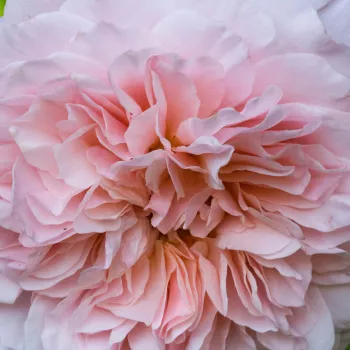
Extra-large, rosette blooms in powder-pink and peach tones fade to cream on the plant, providing an elegant, exhibition-quality welcome with little effort, ideal where you want maximum visual impact from a single climbing centrepiece. |
| Mixed cottage border backdrop |
Planted behind perennials like lady’s mantle or crocosmia, its soft pastel colour and moderate foliage density form a gentle backdrop that will keep performing for many years thanks to its own-root longevity, suiting nature-loving gardeners. |
| Partially shaded side passage or gable |
Suitability for partial shade means it will still flower on east- or west-facing walls where sun is limited, helping to brighten narrow side passages with repeating flushes, a reassuring choice for constrained terraced-house plots. |
| Climbing hedge or screen |
Regular spacing along a wire or post-and-rail line creates a soft, semi-transparent screen; repeat flowering and reliable hardiness to about -23 °C give steady cover and privacy with modest upkeep for practical-minded owners. |
| Large container on terrace or balcony |
In a 40–50 litre or larger container with good drainage and mulch, its climbing habit and long flowering season bring vertical interest where soil is limited, coping well with typical Irish damp, breezy conditions for time-poor urban residents. |
Styling ideas
- Cottage Archway – Train Rose de Tolbiac® over a metal or timber arch and underplant with Alchemilla mollis to catch the pastel petals, creating a soft-focus entrance – ideal for romantic cottage-garden lovers.
- Pastel Pergola – Let its XL rosette blooms cascade from a pergola beam, paired with creamy foxgloves and airy grasses for a long-flowering outdoor “room” – for those who entertain in the garden.
- Soft Screen – Space plants along wires on a fence, weaving stems to form a gentle, flowering screen with repeat blooms and year-on-year strength – suited to privacy-seeking family gardens.
- Terrace Statement – Grow it in a 50 litre half-barrel with a slim obelisk, combining with trailing lobelia and pale violas for a vertical focal point – perfect for compact city patios.
- Gatefront Welcome – Flank a low front gate with two climbers on posts, underplanted with Crocosmia and lady’s mantle, for a friendly, long-lived welcome – for homeowners who like a cared-for first impression.
Technical cultivar profile
| Characteristic |
Data |
| Name and registration |
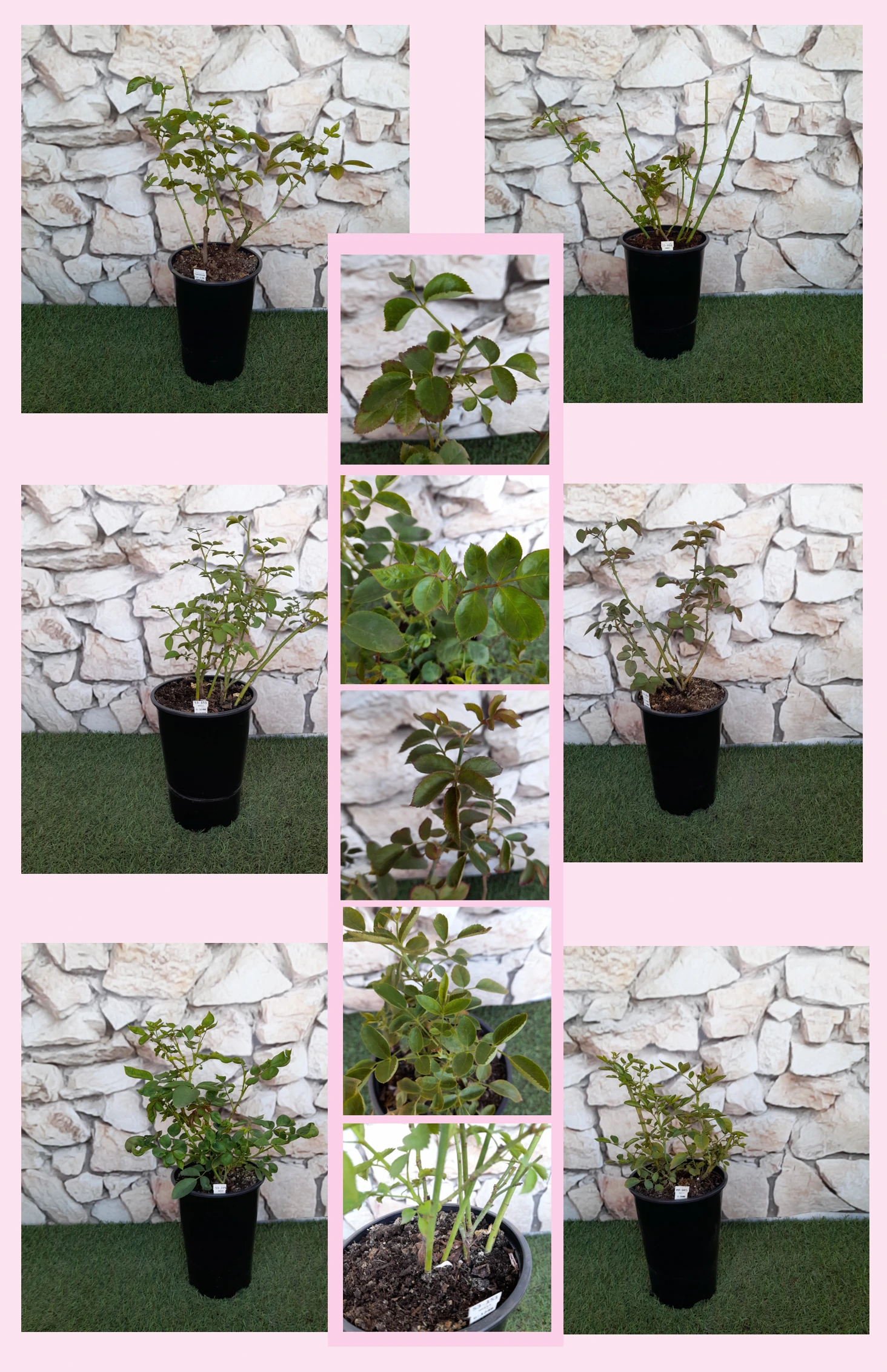
Rose de Tolbiac® Klettermaxe® (registered as KORcaseipp), exhibition large-flowered climbing rose; ARS exhibition name Rose de Tolbiac; commercial group Rós dreapadó, own-root container form. |
| Origin and breeding |
Bred by Tim-Hermann Kordes, W. Kordes’ Söhne, Germany, from cross ‘KORkinteral’ × ‘KORpastato’; breeding completed 1998, registered 2014, introduced commercially after 2014. |
| Awards and recognition |
Gold Medal and City of Zweibrücken Award at the Baden-Baden International New Rose Competition 2013, highlighting its ornamental quality and reliable garden performance. |
| Growth and structural characteristics |
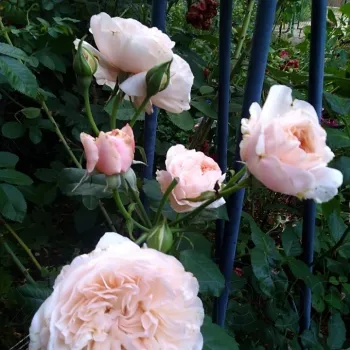
Climbing habit, approximately 180–280 cm high and 60–100 cm spread, moderately dense dark green glossy foliage (RHS 139A), moderately thorny canes, suitable for arches, fences and walls. |
| Flower morphology |
Very full rosette blooms with over 40 petals, extra-large flowers above 10 cm, borne mainly solitary; strongly remontant with a particularly abundant second flush following the main summer flowering. |
| Colour data and phenology |
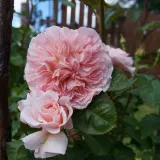
Soft pastel pink with peachy undertones; buds powder pink, opening to warm peach centres (RHS 65C outer, 24C inner) that gradually fade to near-cream, especially in strong sunlight, giving layered colour over time. |
| Fragrance and aroma |
Fragrance is very weak, with a light rose-scented character detectable only at close range; primarily grown for its visual effect rather than perfume or culinary or cosmetic uses in the garden. |
| Hip characteristics |
Rose hip set is limited due to the very double flowers; occasionally forms spherical, greyish-lilac hips (RHS 183A) about 20–30 mm in diameter, not a primary ornamental feature. |
| Resistance and winter hardiness |
Hardy to around -23 to -21 °C (H7, USDA 6a, Swedish zone 3); good heat tolerance with moderate drought resistance, black spot resistant, moderate susceptibility to powdery mildew and rust. |
| Horticultural recommendations |
Best on well-drained soil with mulch to protect structure; spacing 70–140 cm depending on use; suitable for partial shade, occasional plant protection, and training on arches, pergolas, fences or walls. |
Rose de Tolbiac® offers romantic XL pastel blooms, reliable repeat flowering and long-lived own-root growth in an easy-going climbing rose, a refined choice when you wish to enrich a family garden or terrace.