ROSE DE RESHT – crimson historic Portland rose
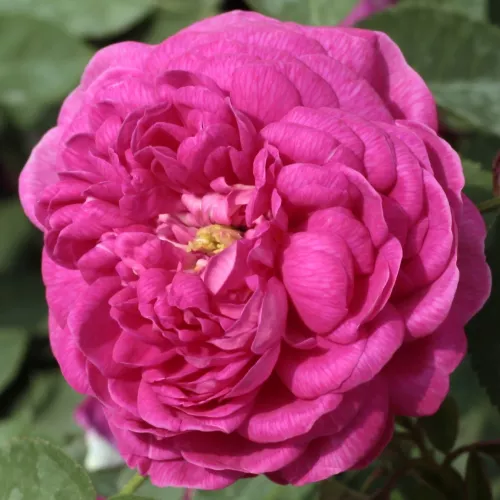
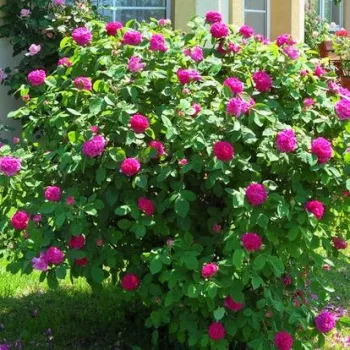
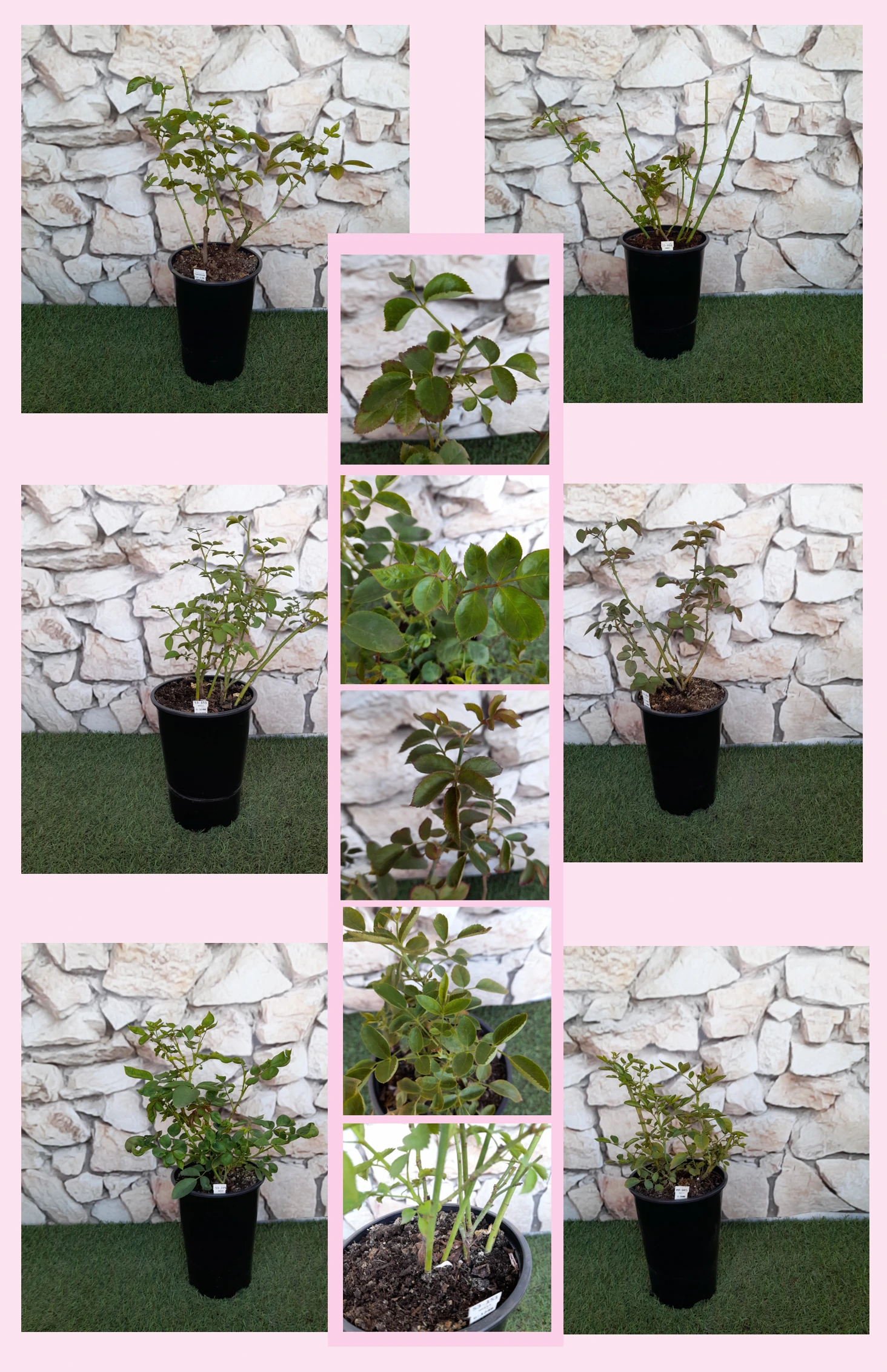
Imagine stepping outside for a brief walk after rain, the air cool and clear, and the rich, far-reaching scent of fragrance filling your small Irish front garden as crimson blooms glow against dark, matt foliage. Rose de Resht is a compact, historic Portland rose that copes calmly with our changeable weather, even when showers follow days of soft light and green shade. It flowers generously, then returns with a second, abundant flush, giving months of colour and perfume with minimal fuss. Own-root plants offer reassuring longevity, regrowing strongly if cut back and keeping their shape for years with only modest maintenance. Plant it once, allow the roots to settle in the first year, enjoy stronger shoots in the second, and by the third year you can expect full, cottage-garden romance and dependable structure in your family garden.
Usage options
| Target area |
Reasoning |
| Fragrant feature in a Dublin terraced-house front garden |
Its compact, bushy growth and very strong, classic damask perfume make Rose de Resht ideal beside a front path or low window, offering everyday scent without taking over a narrow space; a reassuring choice for the fragrance-loving beginner. |
| Flower-filled bed in a small Irish cottage garden |
Remontant flowering means it blooms, rests, then blooms again generously through our short summer, so a modest bed stays colourful for months despite unsettled weather; a pleasure for time-poor homeowners. |
| Low, romantic flowering hedge along a boundary |
Dense, bushy growth and recommended 55 cm spacing allow you to form a soft, old-fashioned hedge that screens while remaining friendly in scale for family gardens; well suited to nature-oriented gardeners. |
| Heritage rose specimen in a mixed border |
Historic character, richly coloured rosette blooms and dark foliage create a strong focal point among perennials or shrubs, giving traditional charm with straightforward seasonal care for curious hobbyists. |
| Large patio container near a seating area |
In a 40–50 litre pot with good drainage, its medium height and strong scent bring old-rose atmosphere to paved spaces, thriving with simple watering and feeding that suit busy urban residents. |
| Partially shaded side garden or north-facing bed |
Suitable for partial shade, it continues to flower and scent paths that see only soft light, thriving where many modern roses sulk, particularly in damp corners typical of Irish plots. |
| Long-term planting for a low-input family garden |
On its own roots it forms a durable shrub that can be rejuvenated if damaged, avoiding graft issues and keeping ornamental value for years, even under frequent showers and mild fungal pressure in Irish gardens. |
| Cut flowers for the house from a small border |
Medium-sized, very full, rosette blooms on a compact bush provide richly scented stems for informal vases without needing a dedicated cutting bed, pleasing practical, fragrance-minded owners. |
Styling ideas
- Cottage-Path Charm – Line a short front path with Rose de Resht and low catmint for a soft, walk-through cloud of scent and colour – ideal for romantic cottage-garden admirers.
- Heritage Focal Point – Plant a single shrub in a mixed border with foxgloves and lady’s mantle to highlight its historic character – perfect for lovers of old-fashioned planting.
- Fragrant Patio Pot – Grow it in a 50 litre terracotta container with trailing thyme and lobelia to perfume a compact seating area – suited to balcony and small-terrace keepers.
- Soft Boundary Hedge – Create a low hedge with repeated Rose de Resht and airy grasses to frame lawns without feeling formal – good for relaxed family spaces.
- Shady-Side Sanctuary – Tuck it into a part-shaded side bed with ferns and white astrantia for a cool, scented corner – appealing to urban gardeners making the most of limited light.
Technical cultivar profile
| Aspect |
Data |
| Name and registration |
Rose de Resht, a heritage Portland rose from the Rós stairiúil collection; ARS exhibition name Rose de Resht, introduced commercially as a crimson, highly fragrant historic shrub. |
| Origin and breeding |
Selection of Rosa × damascena, breeder and parentage unknown; rediscovered and introduced in the United Kingdom around 1945, with older roots traced back to circa 1880. |
| Awards and recognition |
Holds the Royal Horticultural Society’s Award of Garden Merit, recognising reliable garden performance, ornamental value and consistent quality under typical home-garden conditions. |
| Growth and structural characteristics |
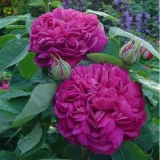
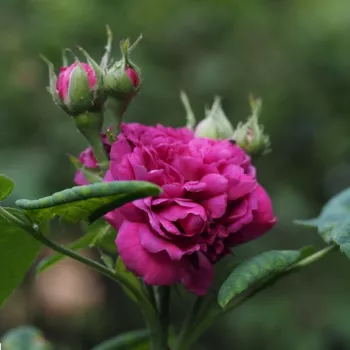
Bushy shrub reaching about 85–135 cm high and 70–120 cm wide, with dense, dark green, matt foliage and moderate prickliness; best in well-prepared, reasonably drained garden soil. |
| Flower morphology |
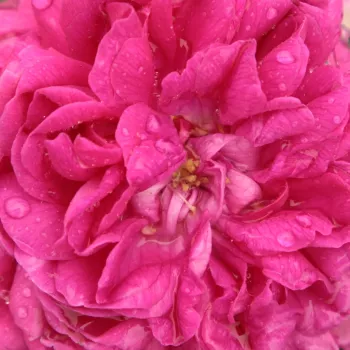
Medium-sized, 4–7 cm, very full rosette blooms with 40+ petals, usually solitary; remontant, with a notably abundant second flush when deadheaded and lightly fed after the first peak. |
| Colour data and phenology |
Lustrous crimson-red with mauve undertones, RHS 67A outer and 67C inner, darkening at full bloom then fading toward mauve-lilac tones, with some colour weakening in strong sun over time. |
| Fragrance and aroma |
Very strong, far-scented, classic damask rose fragrance, easily noticed on still, damp mornings and evenings; flowers are mainly ornamental rather than useful for pollinators due to very double form. |
| Hip characteristics |
Hip set is usually sparse because of very double flowers; when present, produces small, 8–12 mm spherical orange-red hips that add quiet late-season interest in more relaxed plantings. |
| Resistance and winter hardiness |
Hardy to about −32 to −29 °C (USDA 4b, RHS H7), tolerates moderate heat and brief drought; disease resistance medium for black spot, powdery mildew and rust in typical Irish conditions. |
| Horticultural recommendations |
Use for beds, borders, hedging, containers or cutting; space 55–100 cm depending on use, ensure drainage on heavier clay, mulch annually, and deadhead to encourage remontant flowering. |
Rose de Resht offers intense fragrance, repeat flowering and compact structure on a dependable own-root shrub, making it a thoughtful, long-lived choice for your garden.