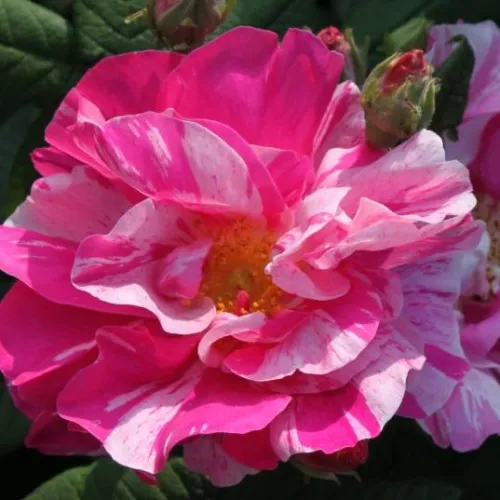
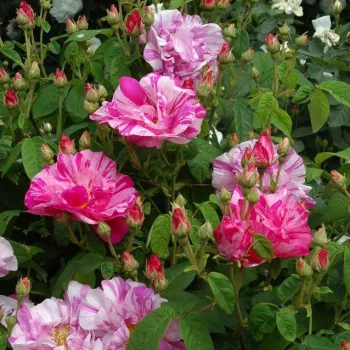
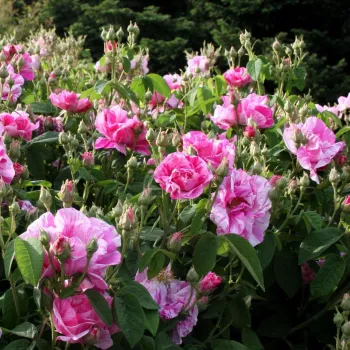
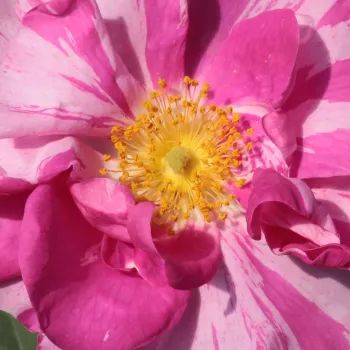
ROSA MUNDI – pink-and-white historic Gallica rose
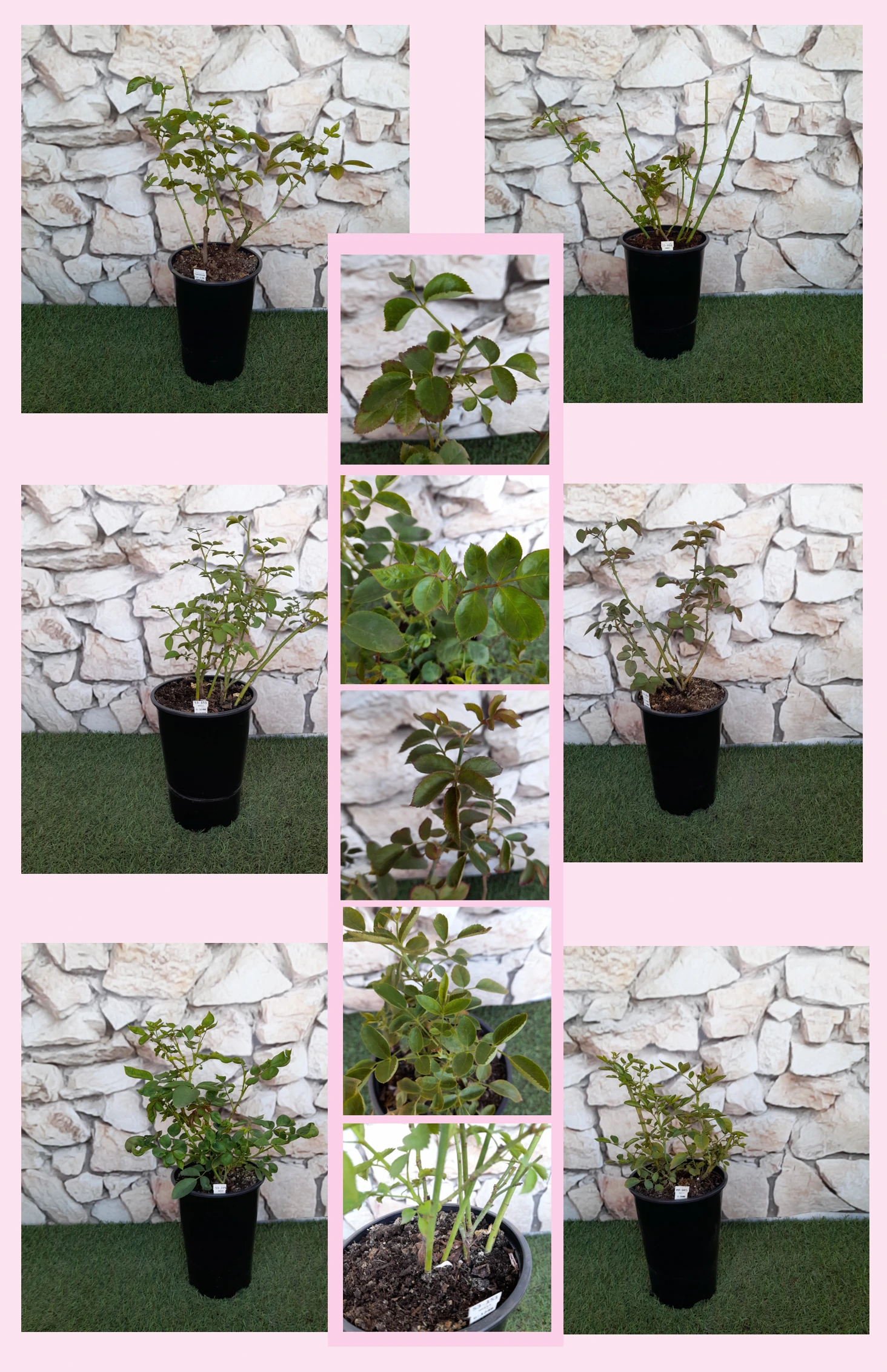
Step out to a soft shower of Irish rain and discover the timeless charm of Rosa Mundi: a compact, historic shrub rose whose striped blooms bring cheerful colour and a sense of living history to even the smallest front garden. Its naturally compact habit and barely thorny stems make it easy to live with beside paths or cottage-style borders, while its semi-double, raspberry-striped flowers glow in soft Dublin light and cope well with cool, damp summers and frequent showers and breezes rolling in from the Atlantic coast. On its own roots it develops steadily for long-term reliability, following the gentle rhythm of strong roots in year one, fuller shoots in year two and a truly settled presence by year three, giving you a low-fuss, long-lived rose that simply asks for reasonable drainage, seasonal feeding and a little judicious pruning. Medium maintenance and moderate disease resistance suit hobby gardeners who appreciate historic beauty with a practical side, while the clean Gallica fragrance adds a fresh, nostalgic note to everyday garden moments.
Usage options
| Target area |
Reasoning |
| Cottage-style flower bed by the front door |
The compact, bushy shape and once-a-year flush of large, striped blooms create a strong focal point that does not overpower a small space. Moderate care and own-root longevity suit those wanting reliable charm without complex pruning, ideal for the beginner. |
| Low, romantic hedge along a path or driveway |
Planted at the recommended 100 cm spacing, Rosa Mundi forms a low, gently informal hedge with grey-green foliage and softly coloured flowers. Barely thorny stems make passing by or clipping spent growth easier and safer, particularly in narrow urban front gardens for the family. |
| Edging for a mixed perennial border |
Its 85–130 cm height and 90–140 cm spread give a neat, rounded outline that sits well at the front or mid-layer of borders. Semi-double blooms self-clean moderately, reducing deadheading, while own-root growth keeps the outline stable over many seasons for the busy. |
| Feature shrub in a small lawn or courtyard |
As a specimen at around 180 cm spacing, Rosa Mundi reads as a single historic “character” plant, ideal where space is limited but impact matters. The bold pink-and-white striping remains attractive even in softer Irish light and cooler summers, pleasing the collector. |
| Partial-shade Irish cottage garden corner |
Suitable for partial shade, it copes with the light conditions of many cottage and terraced-house gardens where buildings cast shade for part of the day. This makes it easier to place than many sun-demanding roses, especially in densely built urban terraces for the urbanite. |
| Historic or naturalistic garden planting |
As a Gallica rose with records dating back centuries, Rosa Mundi fits perfectly into heritage, wild-style and naturalistic schemes. Its muted, matt foliage and traditional flower form blend well with grasses and classic perennials, suiting the history-loving gardener. |
| Urban green space or shared community border |
Medium maintenance needs and moderate disease resistance make it manageable where occasional, not intensive, care is available. Own-root resilience helps the plant recover from accidental damage or irregular watering, fitting community spaces tended by the neighbourhood. |
| Clay soil garden with good drainage preparation |
In heavier Irish clay, careful soil preparation and mulching let its roots establish deeply for a long life, while the rose fits the climate of cool, damp summers with regular rain and fresh Atlantic breezes. Once settled, it rewards that initial effort generously for the patient homeowner. |
Styling ideas
- Cottage-Romantic – Combine Rosa Mundi with sweet alyssum edging and cream foxgloves for a soft, storybook cottage feel – for lovers of traditional cottage gardens.
- Striped-Showpiece – Use as a single specimen in gravel with low Scabiosa and thyme to frame its bold striping – for design-conscious small-garden owners.
- Soft-Privacy – Plant a loose hedge with Artemisia and ornamental grasses to screen a terrace with gentle, airy texture – for families seeking subtle privacy.
- Historic-Mix – Pair with old-fashioned perennials like peonies and catmint to echo its Gallica heritage – for heritage and history enthusiasts.
- Shady-Front – In a part-shade city front garden, underplant with ferns and white violas to brighten a narrow space – for urban terrace residents.
Technical cultivar profile
| Property |
Data |
| Name and registration |
Collection Historical rose; exhibition shrub rose; trade name Rosa Mundi Historical rose; ARS name R. gallica versicolor; historic Gallica group; unregistered but long-established cultivar. |
| Origin and breeding |
Natural striped sport of Rosa gallica officinalis, known since at least 1581. Breeder and original distributor unknown; selected and preserved through traditional European garden culture. |
| Growth and structural characteristics |
Compact shrub, about 85–130 cm high and 90–140 cm wide, with moderately dense, matt grey-green foliage. Barely thorny shoots make handling and placing along paths or in family gardens easier. |
| Flower morphology |
Large, 7–10 cm, semi-double, cupped blooms with 13–25 petals, usually in clusters. Not remontant, flowering once in early to mid-summer, with moderate self-cleaning of spent petals. |
| Colour data and phenology |
Pale ivory to creamy-white ground with vivid raspberry-pink streaks and spots. Striping intensifies in cool weather, lightens slightly in strong sun; colour retention and ornamental impact remain very good. |
| Fragrance and aroma |
Medium-strength, clean Gallica fragrance with classic rosy character. Scent is noticeable on still days and adds nostalgic charm near seating areas, paths or open windows in smaller gardens. |
| Hip characteristics |
Rose-hip formation is rare due to mutated flower structure; occasional 10–16 mm ellipsoidal orange-red hips may appear, adding a discreet seasonal detail in late summer or early autumn. |
| Resistance and winter hardiness |
Hardy to about −32 to −29 °C (RHS H7, USDA 4b, Swedish Zon 5). Medium resistance to powdery mildew, black spot and rust; prefers regular watering and care during hotter, drier spells. |
| Horticultural recommendations |
Suitable for beds, edging, hedges, cut flowers and urban green spaces. Allow 100–180 cm spacing depending on use; tolerates partial shade; in containers choose at least 40–50 litres with good drainage. |
ROSA MUNDI – pink-and-white historic Gallica rose offers compact growth, romantic striping, medium-care reliability and long own-root lifespan; a thoughtful choice for bringing gentle heritage character to everyday Irish gardens.