ROSA HARISONII – yellow historic old garden rose - Harison
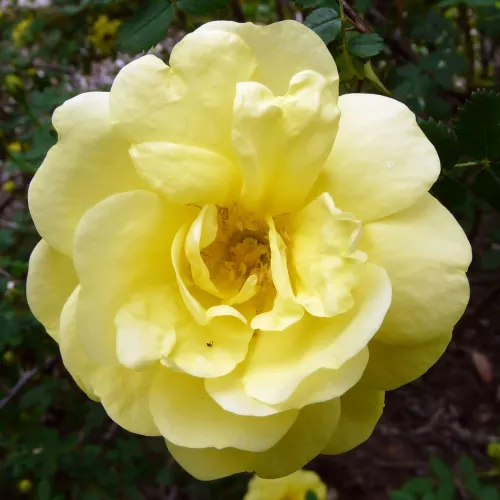
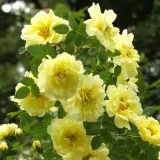
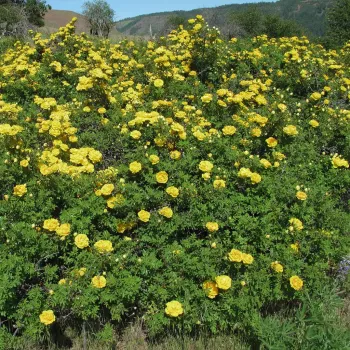
Step out to your front gate after a shower and meet a cloud of sunshine yellow blooms from ROSA HARISONII, a hardy, historic shrub rose that feels made for Irish cottage and terraced gardens. Its once‑a‑year spring flourish is generous and unforgettable, lighting up even grey Dublin days with softly glowing flowers and bees humming through the open, semi‑double cups. Strong, weather‑tolerant growth copes calmly with blustery showers and moist soils that are carefully drained, easing worries about rainfall and heavy ground. Own‑root plants build up steadily for years, giving you a reassuringly long‑lived, regenerating structure with little fuss. Tall, upright‑arched canes carry matt green‑grey foliage for a quietly refined, traditional look that suits stone walls, railings and hedgelines. A mild, delicate fragrance drifts on soft air without overwhelming small spaces, while good self‑cleaning means you can simply stroll past and enjoy the view rather than dead‑heading. From the first year’s settling roots through the second year’s building shoots to a full garden presence by the third, this old rose rewards patient, gentle care and becomes a quietly reliable part of your everyday outdoor walk.
Usage options
| Target area |
Reasoning |
| Cottage‑style front garden hedge |
Planted at around 105 cm, ROSA HARISONII forms a tall, bushy, upright‑arched hedge that erupts once in spring with bright yellow flowers, then settles into neat, matt foliage needing only light shaping; ideal for busy homeowners who favour traditional charm over constant chores for the beginner. |
| Freestanding specimen in a small family garden |
As a solitary shrub at about 190 cm spacing, its strong structure and vigorous, long‑lived own‑root growth give a permanent focal point that can regenerate if cut back hard, helping you plan a stable garden layout for many years with minimal replanting for the homeowner. |
| Pollinator‑friendly cottage border |
The semi‑double, open flowers with exposed stamens are easy for bees to use, and their once‑a‑year abundance creates a seasonal feast; plant with other pollinator perennials for summer interest so the rose becomes the spring highlight in a wildlife‑minded border for the nature‑lover. |
| Low‑maintenance urban front garden |
This shrub’s good self‑cleaning means most spent blooms fall away naturally, so front steps and paths stay tidy without constant dead‑heading; combine with mulch to suppress weeds and support the plant, suiting those who want impact but limited maintenance for the city‑dweller. |
| Exposed, wind‑touched boundaries |
The robust, densely thorned canes and tough foliage cope well on more open sites, and once established the plant tolerates heat and moderate drought, needing only occasional deep watering, so an exposed boundary still looks cared‑for without daily attention for the busy‑gardener. |
| Gently shaded side garden or north‑east aspect |
Suitable for partial shade, this rose will still offer good structure and a reliable spring show where many roses sulk, especially in the cooler Irish light; it helps you turn awkward side passages into soft, green, lived‑in spaces for the practical. |
| Informal naturalised corner or slope |
With its historic character and bushy habit, ROSA HARISONII lends itself to looser planting on banks and rougher ground where its tough root system settles into well‑drained but heavier soils, giving seasonal colour without fussy clipping, perfect for the landscape‑lover. |
| Large container on a sunny terrace |
In a very large pot of at least 50 litres with good drainage, this once‑blooming shrub can be enjoyed near a seating area, its brief but brilliant flowering echoing a short outdoor walk under soft raindrops on mild days, particularly pleasing for the balcony‑owner. |
Styling ideas
- Cottage‑Hedge Glow – Line a front boundary with ROSA HARISONII at hedge spacing, underplanting with Liatris spicata 'Alba' to continue the vertical interest after flowering – ideal for cottage‑garden romantics.
- Yellow‑and‑Lilac Drift – Use one shrub as a lawn focal point, then echo its warm yellow with drifts of Allium aflatunense around the base for soft, late‑spring contrast – suited to homeowners seeking simple structure.
- Soft‑Shade Corner – Place the rose in partial shade near a wall, weaving Physostegia virginiana 'Rosea' in front to extend colour into summer while the shrub provides quiet green backdrop – good for side‑garden problem solvers.
- Pollinator Patch – Combine ROSA HARISONII with loose clumps of herbs and perennial daisies so its open spring flowers feed bees early, then companions take over, keeping the border lively – for wildlife‑minded families.
- Historic‑Terrace Statement – Grow one plant in a generous 60‑litre container by a city doorstep, pairing with simple evergreen groundcovers so the once‑a‑year yellow display becomes a treasured seasonal ritual – perfect for urban traditionalists.
Technical cultivar profile
| Property |
Data |
| Name and registration |
Historic old garden shrub rose, trade name ROSA HARISONII, also known as Harison's Yellow; unregistered variety, exhibition category historic shrub and landscape rose with premium bronze merit rating. |
| Origin and breeding |
Hybrid Foetida × Spinosissima shrub bred by George Folliott Harison in the United States around 1824; introduced circa 1830, exact registering body and initial distributor not recorded in available sources. |
| Growth and structural characteristics |
Strong, bushy, upright to arched shrub reaching about 130–230 cm in height and spread, with moderately dense, matt green‑grey foliage and dense prickling giving good presence and structural effect in planting schemes. |
| Flower morphology |
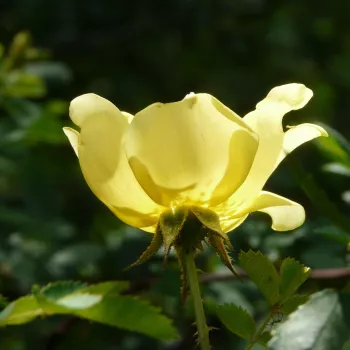
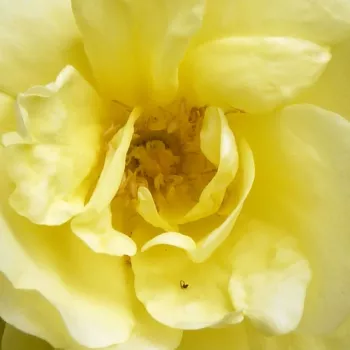
Semi‑double, cup‑shaped blooms with 13–25 petals, usually borne singly, medium sized at roughly 4–7 cm; once‑blooming in late spring to early summer, relying on one generous flush rather than repeat flowering later in the season. |
| Colour data and phenology |
Closed buds deep golden yellow, opening intense lemon yellow with slightly darker bases; bright, clear sunshine yellow at full bloom, fading only slightly, remaining vivid in cooler weather with ARS code Y and RHS 9A outer, 11B inner. |
| Fragrance and aroma |
Delicately scented flowers with a mild, elegant character that does not overpower small spaces; fragrance is noticeable at close range during peak flowering but remains restrained, suiting seating areas and compact front gardens. |
| Hip characteristics |
Occasionally produces spherical hips around 11–19 mm wide, turning from green through red to black as they ripen; hips offer modest ornamental value and seasonal wildlife interest without dominating the shrub's overall appearance. |
| Resistance and winter hardiness |
Very hardy shrub tolerating approximately −34 to −32 °C, USDA zone 4a, RHS H7, Swedish zone 5; moderate disease resistance to black spot, mildew and rust, generally robust if planted with good air circulation and sensible spacing. |
| Horticultural recommendations |
Best as specimen, hedge, park or naturalised shrub with spacing from about 105–190 cm; tolerates partial shade, heat and moderate drought once established, preferring well‑drained soil, mulching and occasional pest and disease checks. |
ROSA HARISONII offers a once‑a‑year burst of yellow cottage charm, tough long‑lived own‑root growth and easy self‑cleaning flowers, making it a thoughtful choice if you value durable beauty with little complication.