Hybrid Tea rose

02-049-1
02-049-2

Renica

Hybrid tea rose

TANrekta – Mathias Tantau Jr.

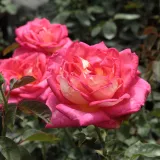
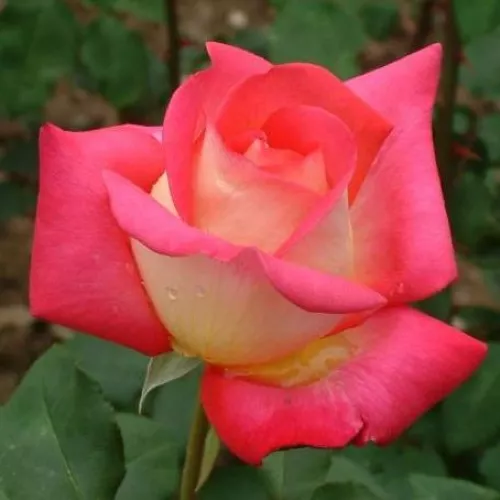
On a pale lemon-yellow ground a warm rose-red shade appears towards the centre, creating a bicolour effect. The two tones blend subtly at the edges of the petals. - hybrid tea rose - very weak, barely scented rose - scent description not available

– Striking bicolour yellow-red blooms all season
– Large, elegant high-centred exhibition flowers
– Upright, bushy plant with dense dark foliage
– Proven ADR 1972 quality and reliability
– Excellent disease resistance, low maintenance needs
Gné speisialta: Rós ilchuspóireach do leapacha, poitéirí agus bláth gearrtha.
Careful packaging – Continuous garden growth
Renica
antoniaROSE® ORIGINAL rós i bpota 2 lítear ar a fhréamhacha féin
19,10 €
As stoc. Faoi shaothrú. Go sealadach gan fáil.
4.5 (6490)
facebook   twitter

RENICA – yellow-red hybrid tea rose – TANrekta

For a softly lit, cottage-style front garden, RENICA brings cheerful colour and reliable performance without demanding expert skills. Its upright habit and bicolour blooms suit narrow beds and terraces, while solid disease resistance means less time on spraying and more time simply enjoying the garden. Own-root vigour supports a long-lived shrub that rides out wet Irish summers and rainfall-heavy spells, rewarding you with repeat flushes once established. With basic deadheading and watering in hot weather, it flowers steadily, keeping the overall look orderly and well-tended. Plant in groups for a hedged, slightly girly look, or keep one near the front door for dependable welcoming colour. Over the seasons it settles in gradually – roots in the first year, stronger shoots the second, then full ornamental impact by the third – giving an easy rhythm to your gardening.


Usage options

Target areaReasoning
Front garden feature by the path The upright, medium-height habit fits narrow Dublin terraces, giving clear, bicolour blooms at eye level without overshadowing the space; low maintenance and repeat flowering make it ideal for a bright, tidy welcome for busy homeowners
Small flower bed in a family garden Reliable remontant flowering keeps interest going through a short Irish summer, so even a single bed looks lively for months with only basic deadheading and feeding, rewarding those who like colour but have limited time for casual gardeners
Informal low hedge along a driveway Regular spacing at 35–40 cm creates a gently structured, cottage-style edging; its dense foliage and consistent bloom shape deliver a smart yet romantic line that stays attractive for years with modest yearly pruning for neatness-lovers
Own-root specimen near a seating area Grown on its own roots, the shrub ages gracefully with good regeneration, so if a stem is damaged it reshoots true to type, ensuring long-lived ornamental value without complex rose care for long-term planners
Mixed cottage border with perennials Its yellow-red, high-centred flowers pair naturally with Alchemilla mollis and other soft-textured companions, giving a romantic, “girly” feel that stays visually coherent as the rose provides a vertical accent among looser perennials for cottage-garden fans
Cutting patch for home bouquets High-centred, long-stemmed flowers are classic hybrid tea form, excellent for cutting; regular picking encourages new buds, so one small patch can provide frequent vases of bicolour roses for the house throughout the season for home florists
Container on a sunny patio (40–50 litre) In a large, well-drained container of at least 40–50 litres, RENICA performs reliably if watered during warm spells, offering neat height and repeat flowering that brighten paved areas and help smaller gardens feel lush despite limited soil for balcony owners
Family garden bed in wetter, exposed sites Well-rooted plants handle Atlantic breezes and frequent rain when given good drainage and mulch, maintaining foliage health so flowers keep coming even in typical Irish summers with frequent showers and overcast days for Irish climate gardeners

Styling ideas

  • Cottage-Romantic Border – Combine RENICA with Alchemilla mollis and soft pink clematis for a frothy, feminine edge to a path – ideal for lovers of gentle, “girly” Irish cottage charm.
  • Terraced-Front Focus – Plant a single RENICA by the front steps with low evergreen edging, using its upright bicolour blooms as a simple, low-care focal point – suited to busy city terrace owners.
  • Colour-Weaving Hedge – Create a low, informal hedge by repeating RENICA along a drive, interplanted with airy grasses for movement – perfect for those wanting easy structure without formality.
  • Cutting-Corner Patch – Dedicate a sunny square to RENICA, spacing plants for easy access so you can snip stems regularly for vases – appealing to home decorators who enjoy fresh flowers.
  • Container Glow – Grow RENICA in a large 50-litre pot with trailing thyme at the base to soften the rim – a practical choice for renters or small-garden owners who may need portability.

Technical cultivar profile
ParameterData
Name and registration Hybrid tea rose, registered as TANrekta, trade name RENICA – yellow-red hybrid tea rose – TANrekta, American Rose Society exhibition name Rebecca, group Rós taehibride.
Origin and breeding Bred by Mathias Tantau Jr. (Rosen Tantau) in Germany from ‘Konfetti’ × ‘Piccadilly’; breeding and registration 1970, introduced 1970, developed as a garden and cut-flower hybrid tea.
Awards and recognition Holds the ADR award from 1972, indicating robust garden performance, reliable flowering and above-average health under trial conditions without intensive chemical protection.
Growth and structural characteristics Upright, densely thorned shrub 75–105 cm tall and 45–65 cm wide, with dark green, slightly glossy, dense foliage; spent blooms persist and usually require manual deadheading.
Flower morphology Large, double, high-centred hybrid tea flowers 7–10 cm across, with 17–26 petals, mainly borne singly on stems; remontant with a particularly abundant second flush in season.
Colour data and phenology Bicolour yellow-red blooms; outer petals pale lemon-yellow, inner petals warm rose-red; yellow base fades to cream or off-white, with salmon-pink tones in cooler light, colour retention very good.
Fragrance and aroma Fragrance is very weak, barely noticeable in normal garden use; chosen primarily for visual effect, form and colour rather than for strong scent or perfumery applications.
Hip characteristics Occasionally forms small, spherical orange-red hips 10–14 mm in autumn, adding modest seasonal interest where not all spent flowers are removed for continuous blooming.
Resistance and winter hardiness Good resistance to powdery mildew, black spot and rust; hardy approximately to −21 to −18 °C (RHS H7, USDA 6b, Swedish zone 3), but needs regular watering in hot, drying conditions.
Horticultural recommendations Best in sunny positions with well-drained soil; spacing 35–60 cm depending on use; suitable for beds, hedges, containers and cutting, with low maintenance beyond watering and deadheading.

RENICA – yellow-red hybrid tea rose – TANrekta offers reliable repeat flowering, long-lived own-root growth and versatile use in beds or containers; a thoughtful choice if you want lasting colour without complex care.

Detailed product attributes

Product Identification Data

Product Name: RENICA – yellow-red hybrid tea rose - Tantau
Product Type: antoniaROSE® ORIGINAL - rós i bpota 2 lítear ar a fhréamhacha féin
Cultivar Authenticity: Cigireáilte:18.08.2025
Cultivar Merit Rating: premium silver
Item Number: [99] 02-049 (14.02.2026) antoniarose.ie

Name and Registration

Synonym Name: Rebecca
Trade Name: Renica Hybrid tea rose TANrekta
Rose Group: Hybrid Tea
Commercial Type: hybrid tea rose
Commercial Group: Rós taehibride
Exhibition Category: cut flower; exhibition tea hybrid
Collection: Hybrid tea rose

Origin and Breeding

Breeder: Mathias Tantau Jr.
Breeding Year: Germany, 1970
Parentage: ‘Konfetti’ × ‘Piccadilly’

Growth and Structural Characteristics

Height: 75-105 cm
Spread: 45-65 cm
Growth Habit: upright
Foliage: The variety has dense foliage; the leaves are slightly glossy and dark green in colour.
Prickliness: densely thorned
Self-Cleaning Description: Most spent flowers remain on the plant and require subsequent deadheading.
Self-Cleaning Intensity: self-cleaning is weak

Flower Morphology

Petal Count: 17-26
Flower Fullness: double-flowered
Flower Form: high-centred, pointed-budded (cut-rose type)
Flower Size: L (7 -10 cm)
Inflorescence Type: solitary
Colour Code: ARS code: yb RHS code: 13B, 53C
Repeat Flowering: Remontant; the second flowering is abundant.

Colour Data and Phenology

Colour: yellow-red
Flower Colour: On a pale lemon-yellow ground a warm rose-red shade appears towards the centre, creating a bicolour effect. The two tones blend subtly at the edges of the petals.
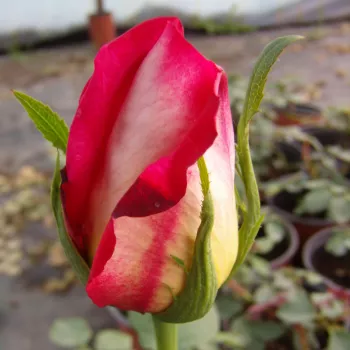
Closed Bud: A rose-pink overlay runs along the petal tip on a lemon-yellow ground colour, with a vivid contrast.
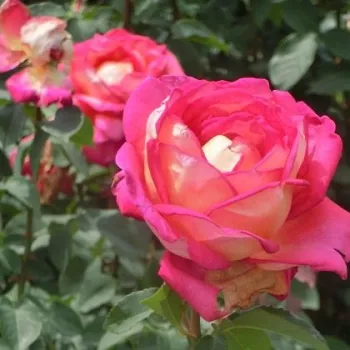
Freshly Opened Flower: The outer petals are pale yellow, the inner ones a rich rose‑red.
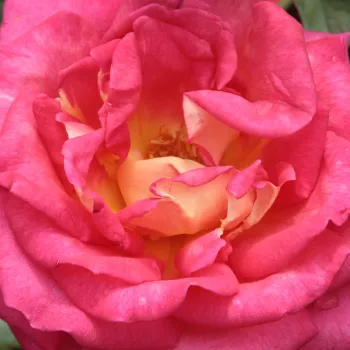
Full Bloom: The yellow background fades to creamy yellow while the rose-red centre remains vivid.
Pre-Fading Flower: The yellow fades to an almost off-white, while the pink leans toward a salmon tone.
Colour Fading Description: In strong sunlight the red–pink tones may lighten; in cooler weather they appear more vivid.

Fragrance and Aroma

Fragrance Strength: very weak, barely scented rose
Fragrance Character: scent description not available
Pollinator Attraction: Its double flower form moderately attracts pollinators, since fully double blooms often conceal the stamens and limit pollen and nectar accessibility compared with single or semi‑double forms.
Pollinator-Friendly Rating: Its double flowers moderately attract pollinators, so it is a moderately pollinator-friendly variety.

Rose Hip Characteristics

Rose Hip Shape: spherical
Rose Hip Colour: orange-red
Rose Hip Notes: Occasionally forming in autumn, 10–14 mm in diameter, spherical, orange-red rose hips can have ornamental value.

Resistance and Hardiness

Hardiness (°C): -21–-18 °C
Heat and Drought Tolerance Description: Requires regular watering in hot weather; tolerates prolonged drought poorly.
Disease Resistance: resistant
  • powdery mildew – resistant
  • black spot – resistant
  • rust – resistant

Horticultural Recommendations

Recommended Spacing: for mass planting 40 cm, for hedging 35 cm, as a solitary specimen 60 cm
Planting Density: in square planting 6,8 plants/m², in hexagonal arrangement 7,8 plants/m²
Partial Shade Tolerance: preferably in a sunny position
Maintenance Requirements: Maintenance requirement low; good disease resistance, generally requires little intervention.
Key Uses: flower bed, specimen, hedge, container, cut flower

Notes

Strengths: Careful packaging – Continuous garden growth
Companion Plants: Alchemilla mollis - lady's mantle Cornus alba 'Spaethii' - gold-variegated white dogwood Clematis montana 'Elizabeth' - clematis
Note: -
RENICA – yellow-red hybrid tea rose - Tantau
On a pale lemon-yellow ground a warm rose-red shade appears towards the centre, creating a bicolour effect. The two tones blend subtly at the edges of the petals. - hybrid tea rose - very weak, barely scented rose - scent description not available
Ceannaigh rósanna ar líne - hybrid tea rose - Renica - yellow-red - (75-105 cm)
Bláthaireacht: solitary airde: 75-105 cm Cruth na bláthanna: high-centred, pointed-budded (cut-rose type) Friotaíocht gheimhridh: 5b yellow-red - - hybrid tea rose - Méid an bhlátha: L (7 -10 cm) Méid an bhlátha: L (7 -10 cm) - airde: 75-105 cm airde: 75-105 cm - Líon bláthanna: double-flowered Renica - Rósanna sa ghairdín | antoniaROSE® Original - premium silver Mathias Tantau Jr.

Léirímid cuma sheachtrach ár rósanna atá le ceannach ar líne ónár siopa gréasáin.


Which product type is right for you?


Information

In what condition do we send the roses from our online shop?

Let us ask ourselves the question: What do I want to use the rose for?
Flower? – Location? – Screening? – Fragrance? – Height? – Breeder? – Rose hips?

Rose purchase information
Payment methods – Delivery costs – Delivery – Complaints handling

Care guide

Our product is a rose grown with unique pharmaROSA® cultivation technology!

2 litre, own-root, potted rose.
With shoots appropriate to the season.
With roots thoroughly interwoven through the growing medium.
Quality in line with the requirements of the E.N.A. (European Nurserystock Association).
In unique packaging that prevents damage.
Can be planted during frost-free periods.
True-to-type rose plant with an individual identifier.

The pharmaROSA® own-root potted rose is a well-rooted plant that supports reliable establishment when planted and cared for properly, so it can be planted whenever the soil is not frozen.


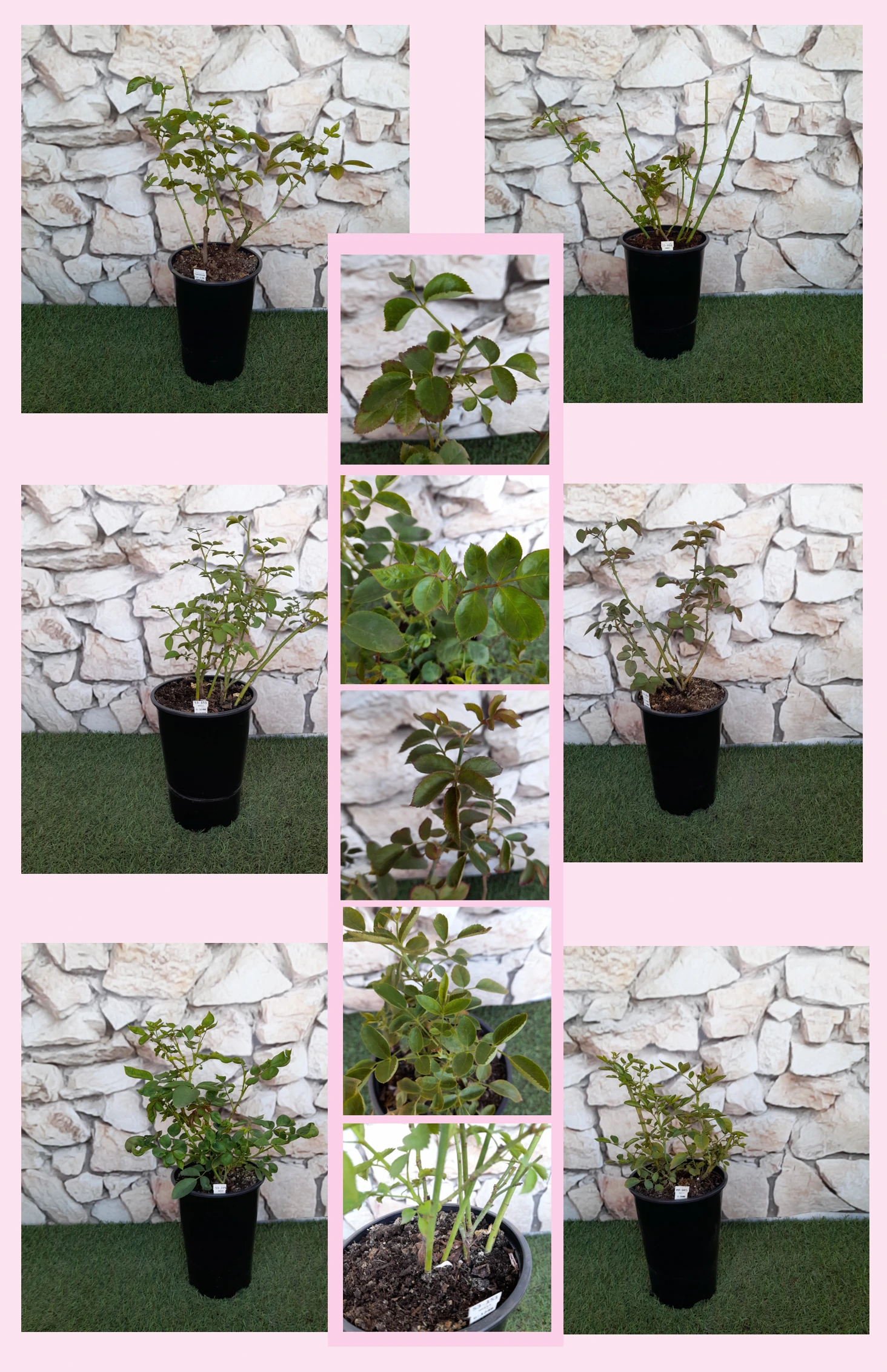
Stock: several varieties and several stages of development in a short stock section.
Shoot system: intensive growth of fresh basal shoots on a young plant.
Root system: presentation of the strong root system interwoven through the growing medium with the pot removed.
Balance: mature plant where the development of the root system and the shoots is in harmony.

Information about the videos
The video series is not a “seasonal showcase”, but makes the essence of pharmaROSA® own-root production tangible: how the plant is built, what the root system is like and how the shoots renew themselves. The footage was therefore taken at different times, showing plants at different stages of development, so mixed leaf coverage or differing growth stages may appear in the videos. This is not a “sample” of the batch delivered, but an illustration of how the technology works. The current condition of the rose available to order — typical of the given period and similar to what you can expect to receive in the parcel — is shown at the top of the product page.

pharmarosa.compharmarosa.depharmarosa.co.ukpharmarosa.skpharmarosa.ropharmarosa.sipharmarosa.czpharmarosa.atpharmarosa.hrpharmarosa.frpharmarosa.plpharmarosa.espharmarosa.bepharmarosa.nlpharmarosa.lupharmarosa.dkpharmarosa.iepharmarosa.grpharmarosa.bgpharmarosa.ltpharmarosa.lvpharmarosa.itpharmarosa.sepharmarosa.eepharmarosa.fipharmarosa.rupharmarosa.pt

Cineálacha táirgí

Pages for private customers
Garden roses for the family garden, with minimal care  → ORIGINAL®
Premium garden roses – instant impact, a truly showpiece garden  → EXTRA®
Pages for professionals and private customers
Roses for public spaces – large areas, sustainable maintenance  → NATURAL®
Roses for projects – hedge and row planting, fast implementation  → RAPID®
For professional partners only
Production – propagation material for garden roses, wholesale  → NEONATAL®

Sonraí cuideachta

PharmaRosa Ltd.
Company registration number: 01-09-717479
VAT number: 13075314-2-43
Plant health registration no.: HU130721
Bank account (IBAN):
HU85117631891388688400000000
BIC (SWIFT): OTPVHUHB
Bank name: OTP Bank Nyrt.