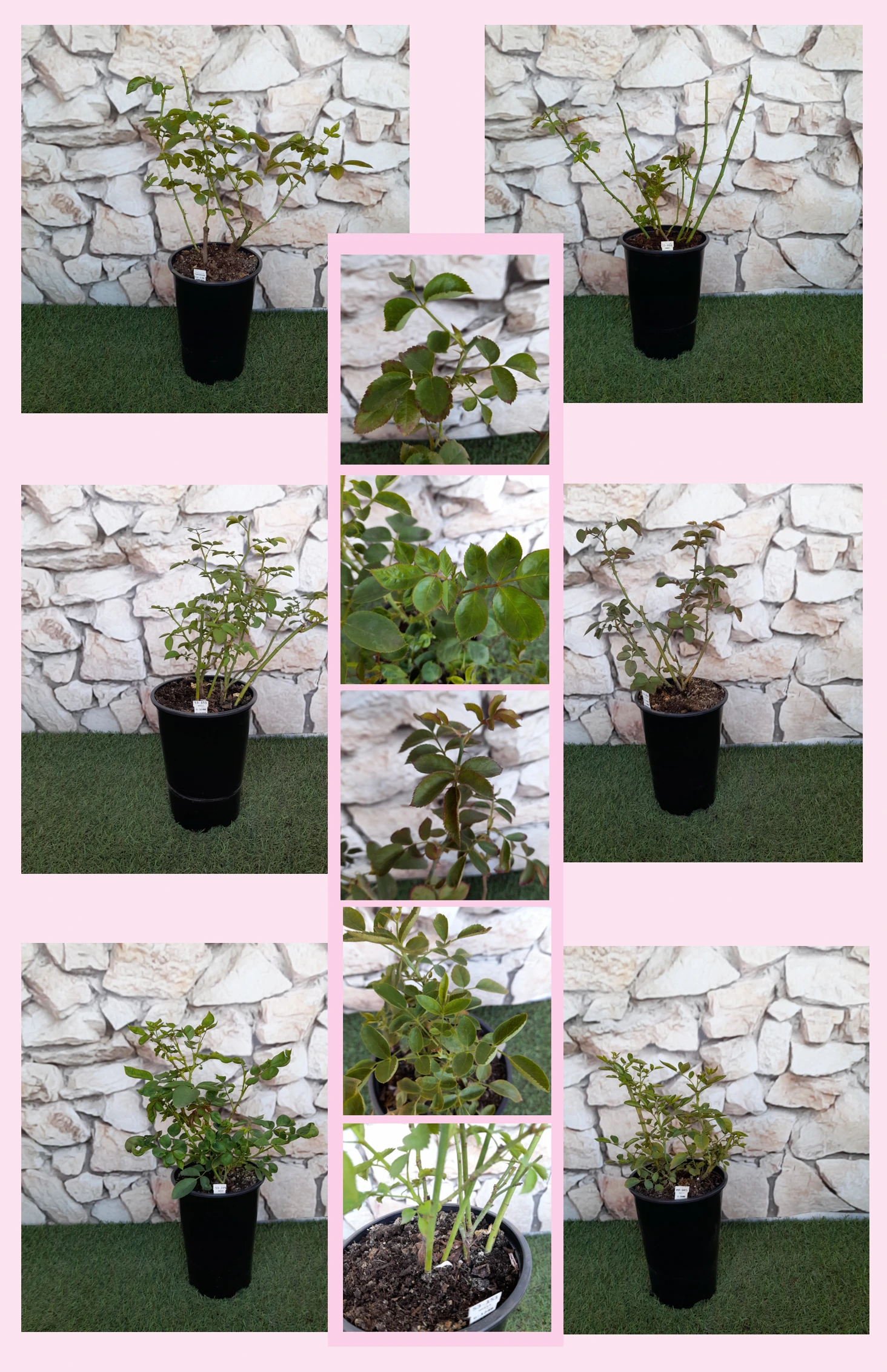
REINE LUCIA – lemon-yellow climbing rose - Kordes
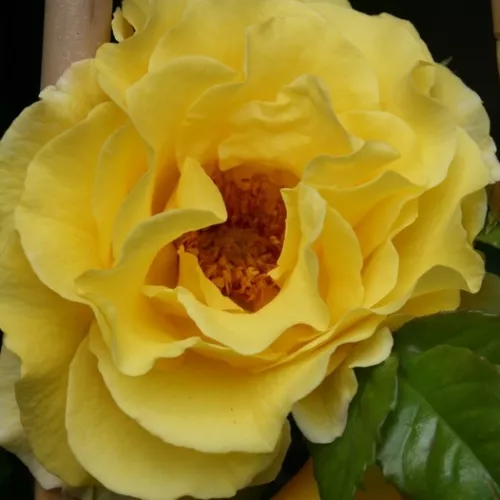
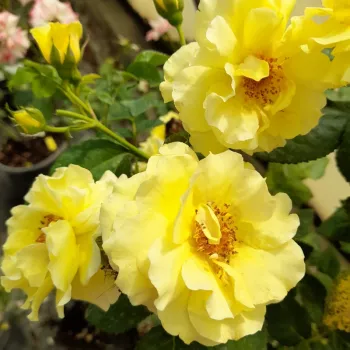
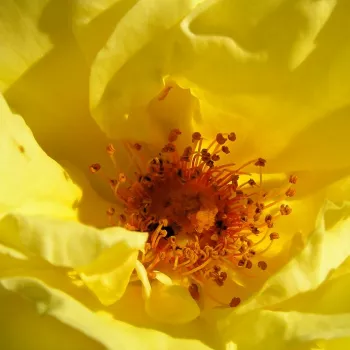
If You dream of a softly glowing rose that suits both a Dublin terrace and a relaxed Irish cottage garden, Reine Lucia will reward You with generous waves of lemon-yellow clusters over an impressively long season and a medium, clearly noticeable fragrance that drifts through the garden in calm weather. Semi-double, cup-shaped flowers open to reveal golden stamens that delight visiting bees, bringing a gentle hum of pollinators on bright days. Grown on its own roots, this climber is designed for a long, dependable life, quietly rebuilding from the base if wind or winter ever knock it back, so its mature frame remains a steady presence on an arch, fence or cottage porch even where frequent rain and heavy soils demand reliable performance. In its first years it focuses on root strength, then sturdy shoots, reaching full, stable ornamental value by around the third season, creating a cheerful, light-catching vertical accent that feels made for soft green light and gentle, showery days.
Usage options
| Target area |
Reasoning |
| Climbing feature on a cottage-style arch or pergola |
Upright growth to around 150–240 cm and dense, glossy foliage make this rose ideal for training over a cottage arch, where its repeated flushes of lemon-yellow clusters create a soft, romantic canopy for beginners. |
| Sunny Dublin terrace front-garden wall or railing |
The long flowering season and plentiful second flush mean reliable colour on a small frontage, with the medium-strong scent greeting You at the gate and semi-double blooms offering pollen to visiting bees for urban-dwellers. |
| Specimen climber beside a seating area |
Larger, 7–10 cm blooms held in clusters give good visual impact at eye level, while the pleasant, clearly noticeable fragrance adds relaxed character to patios or benches without overwhelming nearby spaces for fragrance-lovers. |
| Own-root, long-lived focal point in a family garden |
As an own-root climber it can regenerate from the base after pruning or weather damage, building a stable framework over years and keeping its original variety true, which suits those wanting lasting structure for homeowners. |
| Vertical accent in small to medium mixed borders |
Recommended spacings of roughly 140 cm in borders and up to 240 cm as a solitary plant help it integrate comfortably among perennials, giving height without overcrowding, especially where space is limited for small-gardens. |
| Bee-friendly feature in nature-oriented plantings |
Semi-double, open flowers with accessible stamens attract bees and other pollinators, adding gentle movement and ecological value to gardens that combine ornament with wildlife support for nature-lovers. |
| Climbing rose for cool, exposed Irish sites |
With hardiness down to about -32 °C and ADR recognition, it offers reassuring resilience, even in gardens that feel weather-beaten by Atlantic winds and regular rainfall, reassuring cautious gardeners. |
| Screening rose for sensitive, well-drained boundaries |
Dense, dark green foliage and upright habit lend themselves to loose, flowering screens when spacing at about 135–140 cm, provided drainage is improved on heavy clay and plant protection is accepted by committed enthusiasts. |
Styling ideas
- Cottage-arch romance – Train Reine Lucia over a timber arch with foxgloves and hardy geraniums below for a storybook entrance – perfect for romantic cottage-garden dreamers.
- Sunny city frontage – Let it climb a rail or railing with lavender and Carex flacca ‘Blue Zinger’ at the base for neat texture and year-round interest – ideal for tidy, time-poor townhouse owners.
- Bee-friendly corner – Combine its semi-double blooms with Echinops and calamint to create a soft yellow-and-blue nectar station – suited to wildlife-focused gardeners.
- Evening seating nook – Place a bench beneath its scented canopy, underplanted with white campion and soft grasses for a calm dusk retreat – great for those who unwind outdoors after work.
- Long-view focal pier – Train it up a sturdy post or pergola leg as a vertical accent anchoring a mixed border – appealing to planners who like clear, lasting structure.
Technical cultivar profile
| Parameter |
Data |
| Name and registration |
Climbing large-flowered rose, registered as KORlilub, traded as Reine Lucia Climbing rose KORlilub, with ARS exhibition name Lichtkönigin Lucia for show and registration purposes. |
| Origin and breeding |
Bred by Reimer Kordes, W. Kordes’ Söhne, Germany, from ‘Zitronenfalter’ × ‘Cläre Grammerstorf’; introduced and registered in 1966 as a robust, decorative climbing garden rose. |
| Awards and recognition |
Holds ADR status from 1968, indicating it passed German trials for garden merit, including flowering performance and overall ornamental value under practical landscape conditions. |
| Growth and structural characteristics |
Climbing habit with upright, moderately thorny canes; height around 150–240 cm, spread 80–140 cm; dense, glossy, dark green foliage forms a solid vertical presence on supports. |
| Flower morphology |
Semi-double, cup-shaped blooms with 13–25 petals and 7–10 cm diameter; carried in clusters, remontant with a generous second flush, combining floral show with accessible central stamens. |
| Colour data and phenology |
Lemon-yellow with a subtle golden sheen; buds dark lemon yellow, opening rich and saturated, then fading to soft creamy yellow while retaining a deeper yellow centre for visual depth. |
| Fragrance and aroma |
Medium-strength, pleasant scent clearly noticeable at close to moderate distance, adding classic rose character without overpowering adjacent seating or living spaces in smaller gardens. |
| Hip characteristics |
Forms spherical orange-red hips about 12–17 mm in diameter, produced in moderate quantities and adding a discreet seasonal accent and wildlife interest in late season. |
| Resistance and winter hardiness |
Rated hardy to approximately -29 to -32 °C (USDA 4b, RHS H7); disease resistance moderate to low, especially rust-sensitive, so regular monitoring and protective treatments are recommended. |
| Horticultural recommendations |
Best in full sun with improved drainage on heavier soils; allow 135–240 cm spacing depending on use, support and tie in canes, and consider 40–50 litre or larger containers for potted culture. |
REINE LUCIA – lemon-yellow climbing rose - Kordes offers a long flowering season, attractive bee-friendly blooms and durable own-root growth, making it a thoughtful choice for gardeners seeking lasting vertical charm.