RED GOLDFLUSS – pink hybrid tea rose
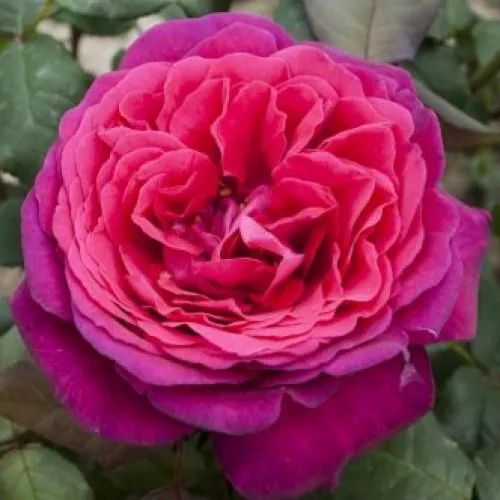
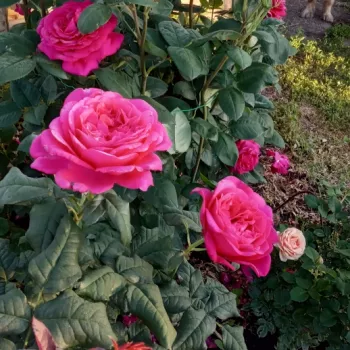
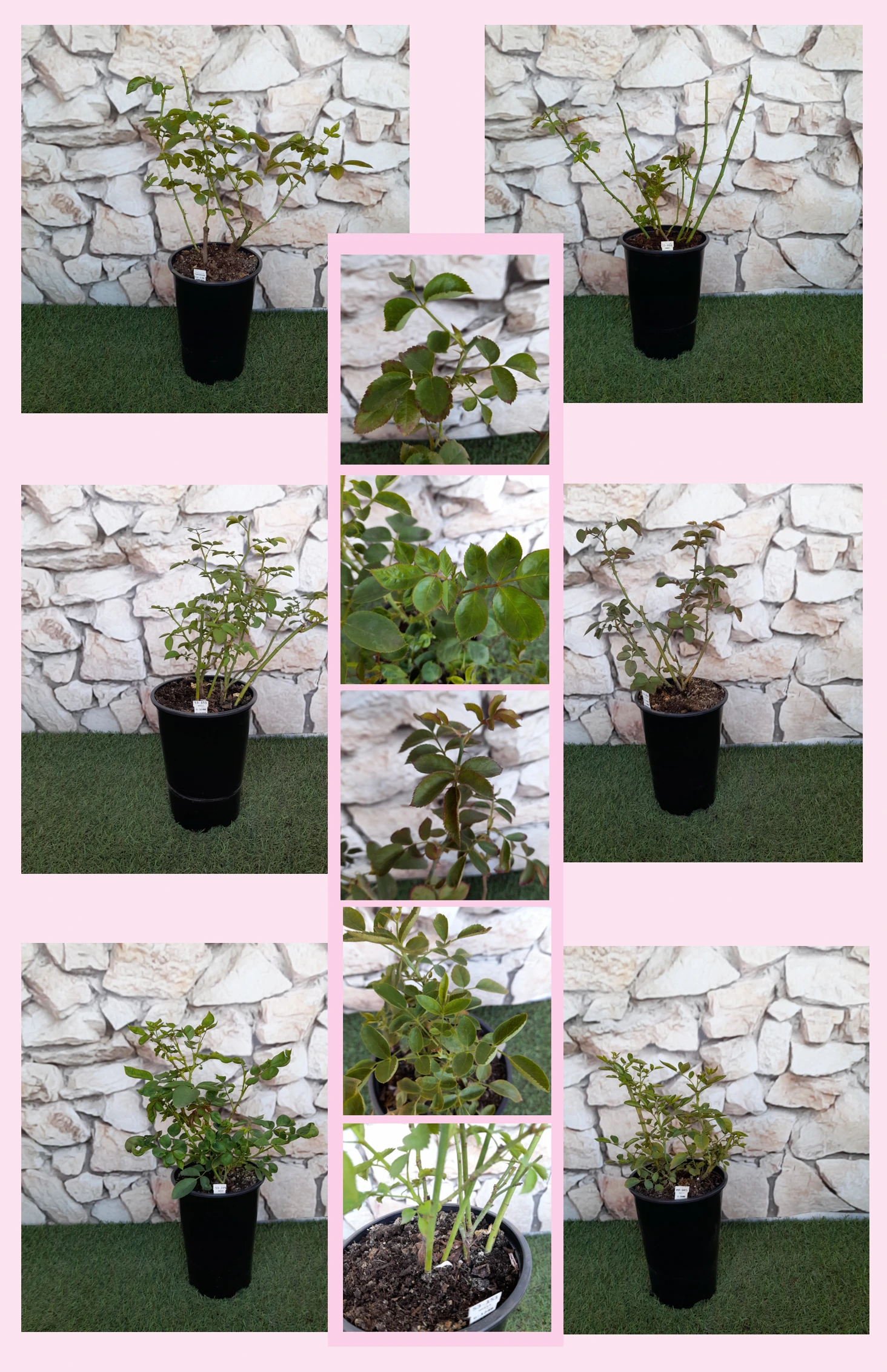
If You dream of a romantic front garden that still feels easy to manage in Irish weather, RED GOLDFLUSS offers generous, XL blooms with a strong, far-scented, sweetly spicy fragrance, carried on upright, medium-sized plants that suit small gardens. Its rich raspberry-pink to lavender-violet flowers appear repeatedly through the season, so You can enjoy weeks of colour even when summers are short and cool with frequent showers and brisk Atlantic breezes. Own-root planting supports a long-lived, reliable structure, able to regenerate from the base and keep its ornamental value for many years with only medium maintenance. In Year 1 it focuses on roots, Year 2 brings fuller shoots, and by Year 3 it settles into its full cottage-garden character, an environmentally aware yet indulgent choice for relaxed city and village gardens.
Usage options
| Target area |
Reasoning |
| Cottage-style front garden border |
The upright, medium-sized habit and XL, two-toned pink blooms give instant romance beside a path or low wall, without overwhelming a modest Irish front garden. Repeated flowering keeps the border interesting over a long season for the beginner. |
| Feature rose in a small bed |
As a specimen at about 100 cm spacing, its large, fully double flowers and strong scent become a clear focal point You can admire from the kitchen window, bringing a sense of luxury from a single plant for the homeowner. |
| Mixed perennial bed with grasses |
Dark, glossy foliage and upright growth pair beautifully with airy companions like fountain grass or verbena, creating a soft, “girly” cottage look that stays visually balanced and easy to tend for the stylist. |
| Cut-flower corner in the garden |
Hybrid tea form, solitary XL blooms and strong fragrance make it ideal for cutting a few stems for the house, so You enjoy both the garden display and scented arrangements indoors with minimal effort for the collector. |
| Low informal rose hedge |
Planted at about 50 cm, it forms an upright, moderately dense line that marks boundaries or frames a path, while own-root resilience supports a long-lived, easily rejuvenated hedge for the planner. |
| Urban front garden with challenging weather |
Good heat tolerance and moderate disease resistance cope well with reflected city heat and frequent rain; simple deadheading and basic care keep it attractive without heavy spraying, suiting the busy urbanite. |
| Large patio container (40–50 L+) |
In a deep, well-drained container of at least 40–50 litres, it becomes a movable accent on a terrace; own-root growth ensures stability and recovery if stems are cut back, offering reliable structure for the container gardener. |
| Family garden rose for long-term enjoyment |
With a focus on strong roots in Year 1, fuller top growth in Year 2 and fully developed flowering impact by Year 3, it offers a gradual, satisfying transformation into a long-lived garden companion for the patient family. |
Styling ideas
- Cottage-Romantic Border – Combine with Verbena hastata ‘Pink Spires’ and Lychnis for a soft, pink-toned, “girly” Irish cottage look with a single scented focal rose – ideal for nostalgic, nature-loving householders.
- Terraced-House Welcome – Plant one each side of a front path, underplanted with low lavender or catmint, to give repeated colour and perfume that greets You and visitors – suited to busy Dublin terrace owners.
- Grass-and-Rose Texture – Pair with Pennisetum alopecuroides and other ornamental grasses to contrast XL blooms against airy plumes, keeping the effect elegant yet low-fuss – perfect for relaxed, design-aware gardeners.
- Scented Cutting Patch – Dedicate a small, sunny square with 2–3 bushes spaced well apart so long-stemmed, strongly scented flowers can be cut regularly – great for those who enjoy home arrangements.
- Statement Patio Pot – Grow one plant in a 50-litre container with good drainage and mulch, adding trailing seasonal bedding around the base for changing colour accents – attractive for renters and balcony users.
Technical cultivar profile
| Parameter |
Data |
| Name and registration |
Hybrid tea rose, commercial group Rós taehibride. Trade name RED GOLDFLUSS Hybrid tea rose DICor. Own-root container form marketed as antoniaROSE ORIGINAL potted garden rose. |
| Origin and breeding |
Rose group Hybrid Tea with unknown parentage and breeder; discovered by pharmaROSA and introduced by PharmaRosa Ltd. in 2020 for Central European and similar temperate garden use. |
| Growth and structural characteristics |
Upright bush to around 85–120 cm high and 60–85 cm wide, with moderately dense, dark green glossy foliage and moderate prickliness; self-cleaning is poor so deadheading is recommended. |
| Flower morphology |
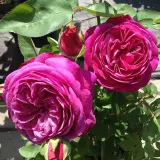
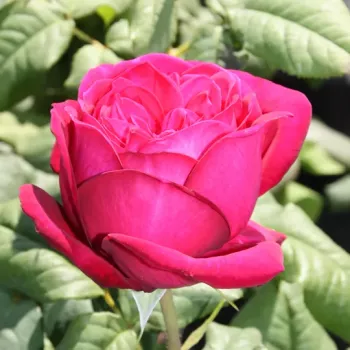
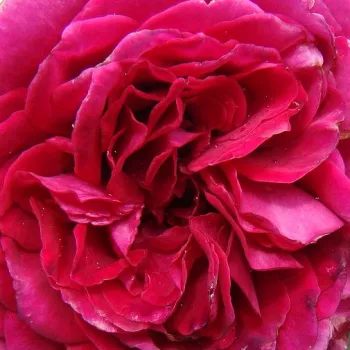
Extra large, cup-shaped hybrid tea blooms, fully double with about 26–39 petals, mainly solitary on stems. Remontant habit with an abundant second flush, giving repeated display through the season. |
| Colour data and phenology |
Two-tone raspberry-pink to magenta-purple blooms, ARS code MR, RHS 53B outer and 53A inner; colour lightens to lavender-violet as flowers age, retaining best tones in cooler conditions. |
| Fragrance and aroma |
Strong, far-scented sweetly spicy rose fragrance, noticeable both in the garden and indoors as a cut flower; ideal for fragrance-focused plantings and scented cutting gardens near seating or paths. |
| Hip characteristics |
Rose hip set is generally low, with occasional small, ellipsoid orange-red hips about 10–14 mm across; ornamental effect is secondary to the main flowering display. |
| Resistance and winter hardiness |
Hardy to around −21 to −18 °C (RHS H7, Swedish zone 3, USDA 6b). Moderate resistance to black spot, powdery mildew and rust; benefits from good air circulation and occasional preventive care. |
| Horticultural recommendations |
Best in full sun with well-drained, improved clay or loam. Space 60 cm in beds, 50 cm for hedging, 100 cm as specimen; 2.8–3.2 plants/m² for massing. Medium maintenance with regular watering and deadheading. |
RED GOLDFLUSS rewards patient gardeners with XL, strongly scented blooms, reliable repeat flowering and long-lived own-root resilience, making it a thoughtful choice for a cherished Irish family garden.