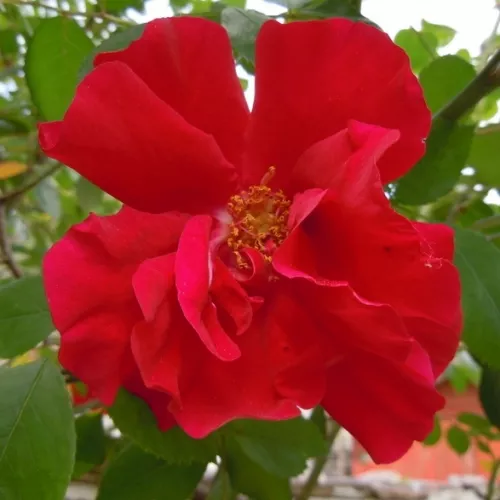
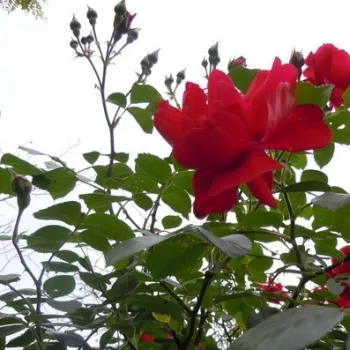
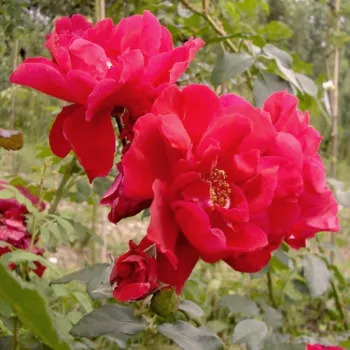
RAYMOND CHENAULT – red climber rose – Kordes
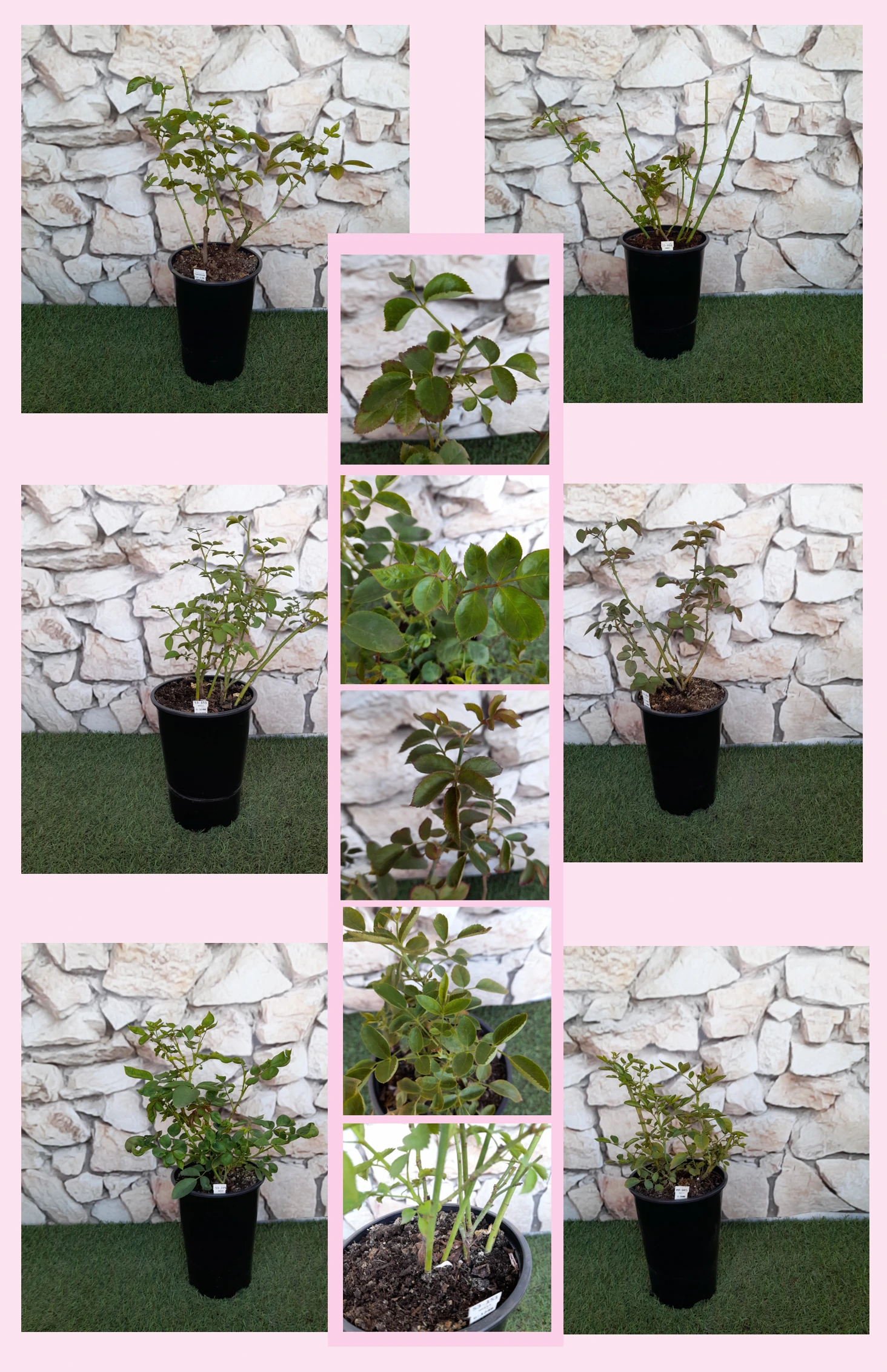
Make your front garden feel like a soft, green outdoor room with the deep red blooms of Raymond Chenault, a reliable climber that brings romantic charm to Irish cottage walls and Dublin terraces. Its semi-double flowers glow a vivid, non-fading crimson, even in bright light, while the medium, berry-like fragrance adds a gentle evening treat each time you open the door. Bred by Kordes for stamina and endurance, this own-root climber settles in steadily and copes well where moist air and fungal pressure often test roses. Over just a few seasons, you will see roots, then shoots, then full flowering structure building up for long-term enjoyment. Dense dark-green foliage creates a handsome backdrop that looks lush from spring to autumn, and its remontant, generously repeating flushes keep colour coming back. With simple planting, good drainage and basic seasonal care, you can enjoy years of reliability and quietly cheerful contentment every time you step outside.
Usage options
| Target area | Reasoning |
|---|
| Cottage-style house wall or sunny gable |
This classic red climber flowers in generous flushes from early summer with a strong second wave, so a single plant can keep a modest wall lively for months without gaps, ideal if you want dependable colour but minimal fuss as a beginner. |
| Front-garden arch or pergola |
Long, flexible canes and medium prickliness make it manageable to fan out over an arch or small pergola, building a leafy tunnel of rich red blooms that feels romantic but remains practical to prune, perfect for a time-pressed urban homeowner. |
| Fence or boundary screening |
The dense dark-green foliage and 260–440 cm height create a soft, living screen that offers privacy without feeling heavy, with semi-double flowers that shed cleanly enough to stay smart for neighbours, suiting a sociable family-garden owner. |
| Dublin terraced-house front railings |
Trained along railings or a narrow support, its rich, colour-fast red blooms provide a strong focal point in a small space while the climbing habit keeps ground area free for pots, a good match for compact-city-garden residents. |
| Part-shaded side passage or north–east aspect |
Suitability for partial shade lets it flower reliably where many roses sulk, so those tricky side paths and cool gables can still host a characterful climber, reassuring for cautious, shade-challenged garden starters. |
| Long-lived feature on pergola post or pillar |
As an own-root climber, it builds up slowly but steadily, regenerating from its base and avoiding graft failure, an investment plant that earns its space over many years for value-minded garden planners. |
| Clay-based, windy coastal or exposed plots |
With good soil preparation and drainage, this hardy H7 rose copes well where salty winds and frequent rain test lesser plants, making it a sound choice for exposed-family-garden keepers. |
| Large container on terrace or balcony (40–60 litres) |
In a generous pot with quality compost and regular watering, this variety’s moderate vigour and glossy foliage create a substantial vertical accent without overwhelming the space, ideal for balcony or patio-focused rose enthusiasts. |
Styling ideas
- COTTAGE VERGE – Train Raymond Chenault along a low timber fence with Stachys byzantina edging the path for silver softness and a storybook feel – perfect for romantic cottage-garden lovers.
- RUBY ENTRANCE – Arch it over a narrow gate with Liatris spicata ‘Alba’ at the base to contrast vertical white spires against red blooms – ideal for welcoming, design-conscious homeowners.
- EVENING SCENT – Place it near a seating nook where its medium, spicy-berry fragrance can be enjoyed with a simple maintenance routine – suited to relaxed evening sitters.
- HERITAGE FACADE – Clothe a brick wall with its non-fading crimson flowers and dark foliage, echoing traditional park roses with long-term structure – great for period-terrace renovators.
- FOCAL PILLAR – Spiral the canes up a sturdy obelisk in a lawn or gravel bed, underplanted with pale Echinacea ‘Delicious Nougat’ – ideal for those wanting a strong but easy focal point.
Technical cultivar profile
| Parameter | Data |
|---|
| Name and registration |
RAYMOND CHENAULT – red climber rose, Hybrid Kordesii climber, exhibition climbing rose (park rose), trade name Raymond Chenault Climbing rose Kordes, unregistered cultivar. |
| Origin and breeding |
Bred by Reimer Kordes, W. Kordes’ Söhne, Germany, from Rosa kordesii × ‘Montezuma’; breeding completed 1958, introduced 1960 as a vigorous, garden-worthy climbing rose. |
| Awards and recognition |
Royal National Rose Society Trial Ground Certificate, United Kingdom, 1961, and “Bonnes Roses de Jardins et des Parcs” certificate, The Hague, 1965, confirming long-standing ornamental reliability. |
| Growth and structural characteristics |
Climbing, creeping habit with 260–440 cm height and 180–320 cm spread; dense, glossy dark-green foliage and moderate prickliness; suitable for walls, fences, pergolas and pillar training. |
| Flower morphology |
Semi-double, flat, clustered blooms with 13–25 petals, flower size 7–10 cm; remontant with a generous second flush, providing repeated displays through the main Irish growing season. |
| Colour data and phenology |
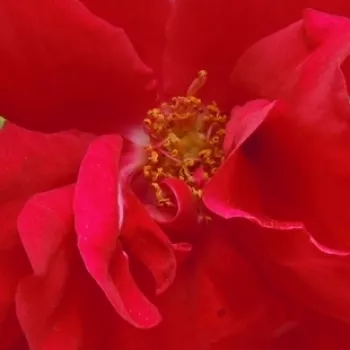
Deep, rich, clear red (ARS MR, RHS 53A/53B) from bud to fade; colour holds well without bluing, even in strong sunlight, giving consistently vivid displays on both first and repeat flushes. |
| Fragrance and aroma |
Medium-strength fragrance with spicy, berry-like notes; noticeable at close range around paths or seating areas, adding sensory interest without overwhelming nearby windows or small spaces. |
| Hip characteristics |
Sparse hip set due to semi-double flower form; occasional glossy red, ellipsoidal hips 12–18 mm may develop, offering subtle late-season interest without heavy self-seeding. |
| Resistance and winter hardiness |
Hardy to about −21 to −18 °C (H7, USDA 6b); black spot resistant with moderate susceptibility to powdery mildew and rust, usually manageable with good air circulation and basic hygiene. |
| Horticultural recommendations |
Plant 180–320 cm apart in well-drained soil; pH near neutral to slightly acidic suits best; improve heavy clay with organic matter, mulch annually, and provide sturdy supports plus light formative pruning. |
RAYMOND CHENAULT offers vivid, non-fading red flowers, repeat blooming and a long-lived, own-root climbing framework, a thoughtful choice if you would like a dependable feature rose with modest care needs.