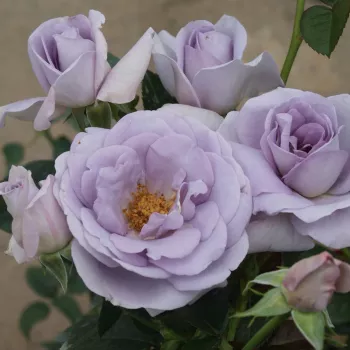
PURPLE MIA – pale lilac bedding floribunda rose
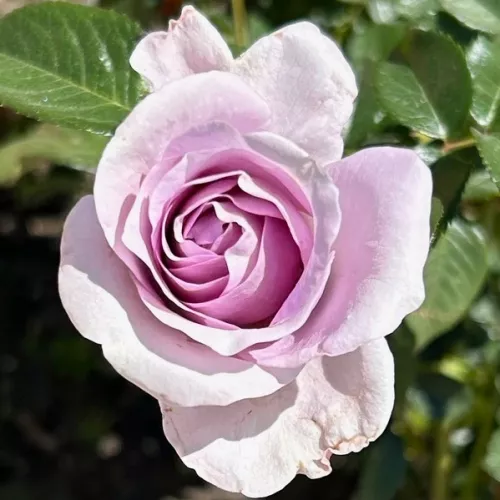
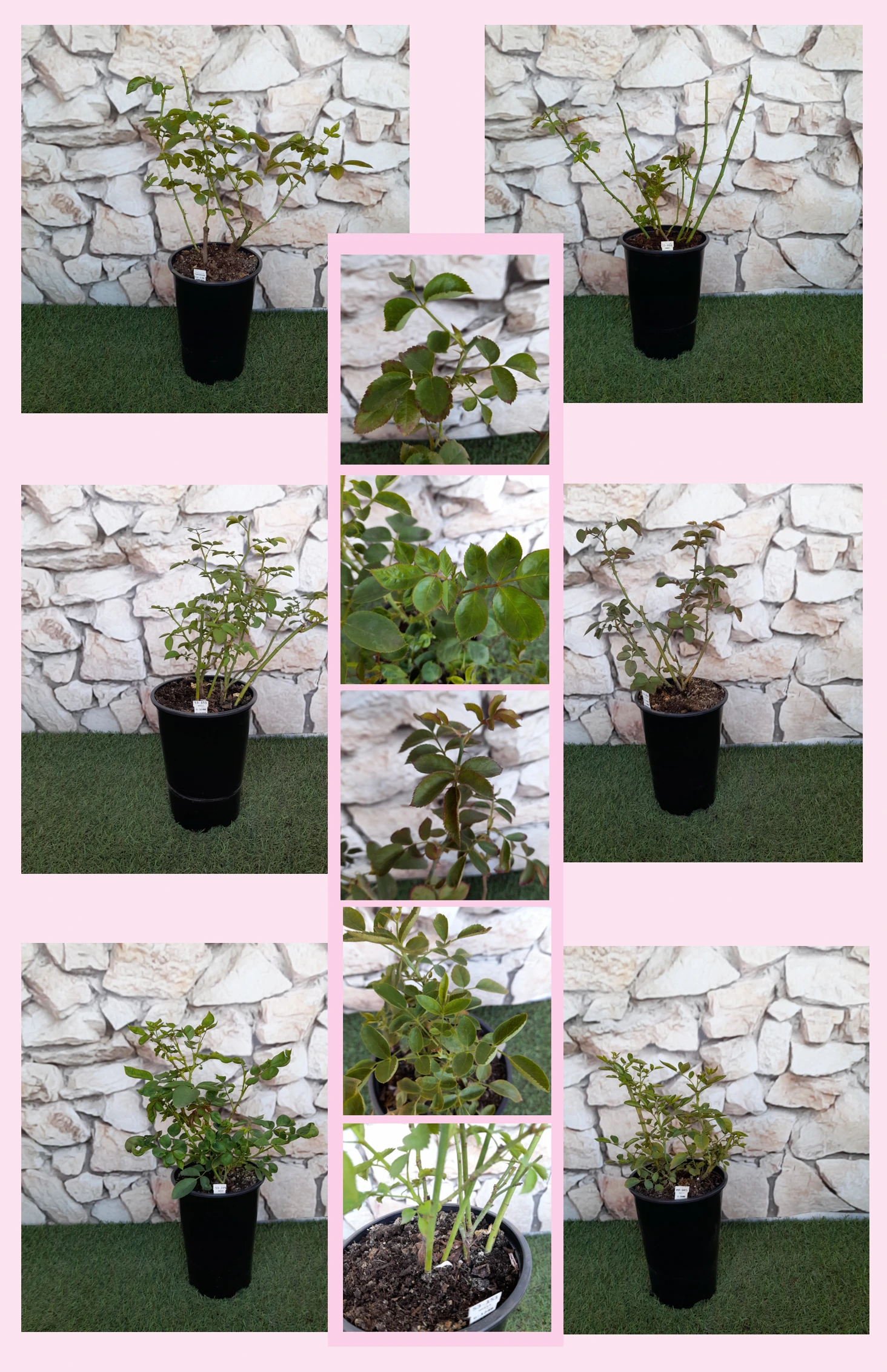
Softly powdery, misty lilac blooms, a sweet violet scent and easy-going maintenance make PURPLE MIA an inviting choice for Irish cottage and terraced front gardens. Bred by Kordes for strong resistance and reliable repeat flowering, it settles happily into average family plots that see plenty of rain and need dependable structure rather than fuss. Own-root plants build up quietly, giving you a long-lived, regenerating shrub that shrugs off most everyday issues and copes well where good drainage has been added to heavy clay, all while keeping a cheerful presence from early summer to autumn. Picture the natural rhythm: in year one it is busy rooting, in year two it puts on more shoots, and by year three it shows full character and ornamental value.
Usage options
| Target area |
Reasoning |
| Front-of-border cottage-style drift |
PURPLE MIA’s bushy, upright habit and mid-green, glossy foliage create a tidy but relaxed drift at the front of mixed borders, with clusters of mauve-lilac blooms from early summer right into autumn, ideal for informal beds for the hobby gardener |
| Feature rose in a small Dublin front garden |
The medium height and moderate spread suit narrow, street-facing spaces, where its unusual powdery purple flowers and clear violet fragrance add personality without overwhelming the façade, offering a welcoming “hello” outside the door for the urban homeowner |
| Low-maintenance family rose bed |
With breeding for good disease resistance to black spot, mildew and rust, this variety keeps its foliage healthy with minimal spraying, so routine care mostly means watering in dry spells and an annual feed, a reassuring level of effort for the busy parent |
| Long-lived own-root planting in heavy garden soil |
Planted with improved drainage in heavier Irish soils, the own-root structure matures steadily into a durable shrub that can regenerate from its base after damage or hard pruning, supporting a long planting life for the future-focused buyer |
| Season-long colour with repeat flowering |
Clusters of 4–7 cm double flowers appear in waves, offering a generous second flush and often more, so borders do not “go blank” after a single June show, keeping beds softly coloured for months for the flower-loving beginner |
| Cutting and informal vase decoration |
The cupped, double blooms with their misty lavender tones and sweet, medium-strength scent lend themselves to short-stem cutting, bringing the cottage-garden mood indoors for the home decorator |
| Large containers and patio plantings |
In a 40–50 litre or larger pot with good drainage, PURPLE MIA makes a compact patio focal point, its bushy form and clean foliage giving long seasonal interest with only light pruning and feeding needed for the balcony or patio owner |
| Structured planting with reliable performance in wetter areas |
The upright, moderately dense framework forms a stable, repeat-flowering shrub that copes well in typical Irish rainfall when soil is prepared to drain excess water, offering dependable structure through changeable seasons for the practical planner |
Styling ideas
- Cottage-border haze – Mass PURPLE MIA in a loose drift and weave between hardy geraniums and soft grasses for a romantic, misty mauve edge – ideal for lovers of traditional cottage borders
- Terraced-front welcome – Pair one or two shrubs with low box edging and a few spring bulbs to frame a city doorway – perfect for urban homeowners seeking neat charm
- Patio-scent corner – Grow in a 50-litre clay pot with lavender and dwarf nepeta nearby to echo the violet fragrance theme – suited to patio gardeners who enjoy evening scent
- Cool-toned bed – Combine with white foxgloves, pale pink astrantia and silver foliage plants for an airy, calm planting – appealing to those who favour restrained, elegant schemes
- Soft-shade tapestry – Plant alongside hostas and climbing hydrangea on a brighter edge of partial shade for layered leaves and lilac flowers – for gardeners who like leafy, woodland-inspired corners
Technical cultivar profile
| Trait |
Data |
| Name and registration |
Floribunda bedding rose, registered as KORkultop, traded as PURPLE MIA and exhibited as Blue Bajou; belongs to the Rósra bhláthchlóis commercial group for garden and bedding use. |
| Origin and breeding |
Bred by W. Kordes’ Söhne in Germany, with introduction and registration in 1993; parentage is not recorded, but selection reflects Kordes’ focus on garden reliability and health. |
| Growth and structural characteristics |
Compact, bushy, upright shrub around 65–95 cm tall and 50–75 cm wide, with moderately dense, mid-green glossy foliage and moderate prickles, forming a tidy, structured bedding rose. |
| Flower morphology |
Medium-sized 4–7 cm clusters of double, cupped blooms bearing 26–39 petals; floribunda-type trusses provide regular colour, with clear repeat flowering and a generous second flush. |
| Colour data and phenology |
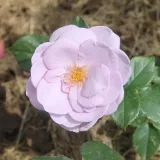
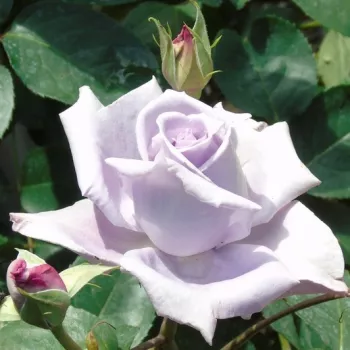
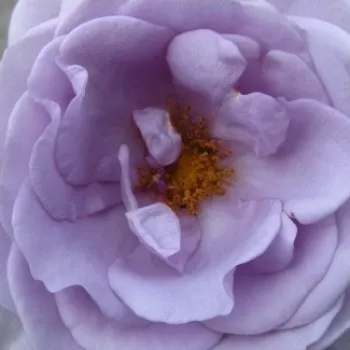
Flowers open powdery lavender-lilac with a silvery sheen, then fade towards greyish mauve with silvered edges; colour retention is rated excellent, giving a consistent misty purple effect in the bed. |
| Fragrance and aroma |
Notably scented for a bedding floribunda, with a medium-strength, sweet perfume showing a distinct violet character; fragrance is clearly noticeable around the plant in still, mild weather. |
| Hip characteristics |
Rose hips form only occasionally because of the double flowers; when present they are small, ellipsoidal, orange-red hips about 10–14 mm across, adding modest late-season interest. |
| Resistance and winter hardiness |
Rated resistant to black spot, powdery mildew and rust; hardy to approximately −26 to −23 °C (RHS H7, Swedish zone 4, USDA 5b), suitable for most exposed Irish garden situations. |
| Horticultural recommendations |
Best in beds, borders or large containers; plant 55 cm apart in masses or 45 cm for low hedging; improve drainage on heavy soils, water in dry spells and prune lightly to maintain shape. |
PURPLE MIA offers soft lilac blooms, dependable repeat colour and easy-care health on a long-lived own-root framework, making it a thoughtful choice if you want a graceful yet undemanding garden rose.