PROF. KOWNAS – orange hybrid tea rose – Żyła
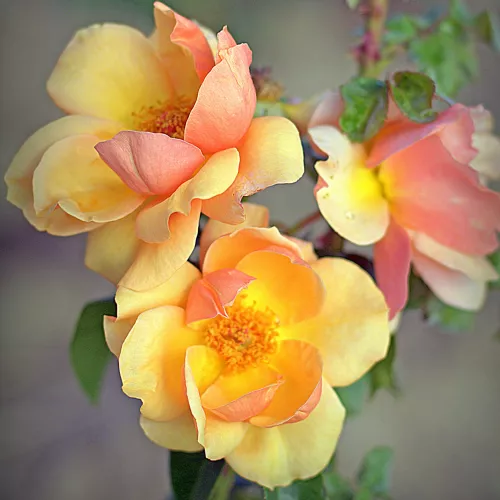
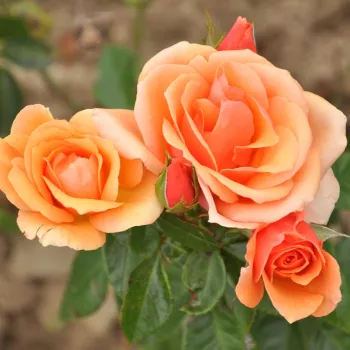
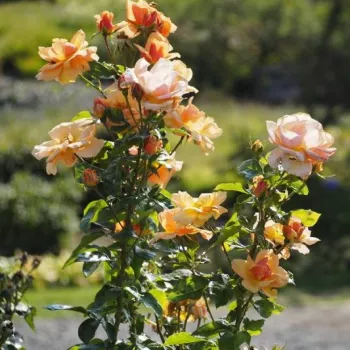
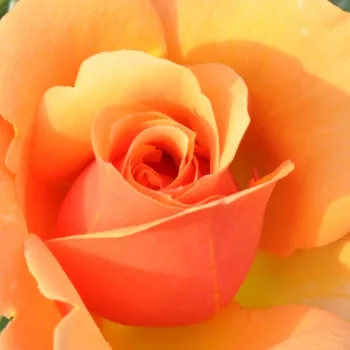
Step outside for a few quiet minutes and let PROF. KOWNAS wrap your garden in soft, glowing colour: richly orange buds opening to elegant, double blooms that slowly wash into pastel-gold and salmon tones. Its compact, upright habit and dense, dark foliage make it a natural choice for small Irish front gardens where space is precious but you still want a real “girly” cottage feel. Own-root planting means a reassuringly long-lived investment, with good regeneration if winter or weather cause damage, and consistently stable flowering over the years. In our damp summers and frequent showers it copes reliably with fungal pressure thanks to very good black-spot resistance, needing only occasional care. Think of it as a patient companion: in the first year it concentrates on roots, in the second on stronger shoots, and by the third it settles into full ornamental value for your family garden retreat.
Usage options
| Target area |
Reasoning |
| Feature rose near the front door |
The compact, upright shape and medium height make PROF. KOWNAS easy to place beside a path or porch without overwhelming a small space, while the glowing orange flowers give a cheerful welcome on grey, rainy days for the busy urban gardener. |
| Irish cottage-style mixed border |
Its repeat-flowering habit ensures colourful flushes across the short Irish summer, pairing beautifully with soft pastels and cottage perennials to create a “girly”, romantic feel in relaxed family borders beloved by nature-oriented homeowners. |
| Cut-flower and exhibition bed |
Originally bred as a hybrid tea for cutting, its solitary, well-formed blooms and long, straight stems lend themselves to vases or occasional show work, offering satisfying results for hobby florists and exhibition-minded enthusiasts. |
| Long-term own-root planting |
As an own-root rose, PROF. KOWNAS ages steadily and recovers well from weather damage, without the graft issues of budded roses, suiting gardeners who want a reliable, long-lived shrub with minimal replacement worries for patient beginners. |
| Small family garden focal point |
Planted as a specimen at around 50 cm spacing, its dense, glossy foliage and glowing orange flowers read clearly from the patio or kitchen window, giving a strong focal point with little effort for homeowners seeking easy visual impact. |
| Clay soil beds with better drainage |
In typical Irish heavy clay it responds well to improved drainage and a mulch layer, rewarding that simple preparation with healthy growth and repeat blooms despite our wet winters, ideal for cautious beginners willing to make one good planting effort. |
| Part-shade side garden or terrace |
Suitable for partial shade, it performs reliably along east- or west-facing walls where full sun is limited, keeping colour and foliage quality while leaving sunniest spots free for vegetables, herbs or children’s play for practical family gardeners. |
| Large patio container planting (40–50 litres) |
In a generously sized pot of at least 40–50 litres, with good drainage and regular watering, PROF. KOWNAS gives an easy-care splash of refined orange near seating areas, perfect for townhouses and balcony owners seeking low-fuss seasonal colour. |
Styling ideas
- COTTAGE SOFTNESS – Mix with sweet alyssum and pale pink perennials for a light, romantic cottage look – ideal for front gardens where a gentle, feminine feel is desired.
- ORANGE ACCENT – Use three plants in a triangle as a glowing focal point amid green shrubs – suited to homeowners who want a simple but striking feature.
- PATHWAY WELCOME – Line a short path with evenly spaced bushes, underplanting with creeping phlox for a neat yet flowery entrance – good for those who like order without formality.
- SCENTED CORNER – Combine its mild floral fragrance with spearmint and other aromatic herbs around a small bench – appealing to fragrance lovers who enjoy quiet evening sits.
- CONTAINER CHIC – Plant a single rose in a 50-litre terracotta pot with trailing alyssum at the edge – perfect for city terraces needing easy, moveable colour.
Technical cultivar profile
| Characteristic |
Data |
| Name and registration |
Hybrid tea rose, trade name PROF. KOWNAS – orange hybrid tea rose – Żyła; named in honour of Polish botanist Professor Stefan Kownas; registered cultivar name not recorded. |
| Origin and breeding |
Bred by Stanisław Żyła from (Crepe de Chine × Marina) × Rinacor; introduced in 1996, with registration in 1994; breeder’s institution and initial distributor are not documented. |
| Growth and structural characteristics |
Upright, bushy hybrid tea rose 70–95 cm high and 40–55 cm wide; dense, dark green, glossy foliage; moderately thorny shoots; weak self-cleaning, so spent blooms benefit from regular deadheading. |
| Flower morphology |
Medium-sized, 4–7 cm, double, 26–39-petalled flowers; solitary, cup-shaped blooms that open fairly flat; remontant habit with a generous second flush, producing well-formed, cutting-quality stems. |
| Colour data and phenology |
Uniform bright orange with a subtle golden tinge; ARS orange, RHS 24A outer and 23B inner; colour holds well, then fades gently to salmon-pink and pastel-gold tones toward the end of each bloom. |
| Fragrance and aroma |
Mild, pleasantly floral fragrance with a classic rose character; not overpowering near seating areas or open windows, making it suitable for small patios and compact urban gardens. |
| Hip characteristics |
Rose hips form only occasionally because of the double flowers; when present they are spherical, 12–17 mm in diameter, and orange-red, adding discreet autumn interest without heavy seeding. |
| Resistance and winter hardiness |
Hardy to about −29 to −26 °C (RHS H7, USDA 5a, Swedish zone 4); moderate overall disease resistance with good black spot resistance and moderate susceptibility to powdery mildew and rust. |
| Horticultural recommendations |
Use as border, specimen or cut-flower rose; plant 30 cm apart for mass beds, 25 cm for hedging, 50 cm for specimens; suitable for partial shade; medium maintenance with occasional plant-protection treatments. |
PROF. KOWNAS offers glowing orange blooms, a compact, easy-to-place shape and dependable repeat flowering on a robust own-root plant; a thoughtful choice if you want lasting colour with modest effort.