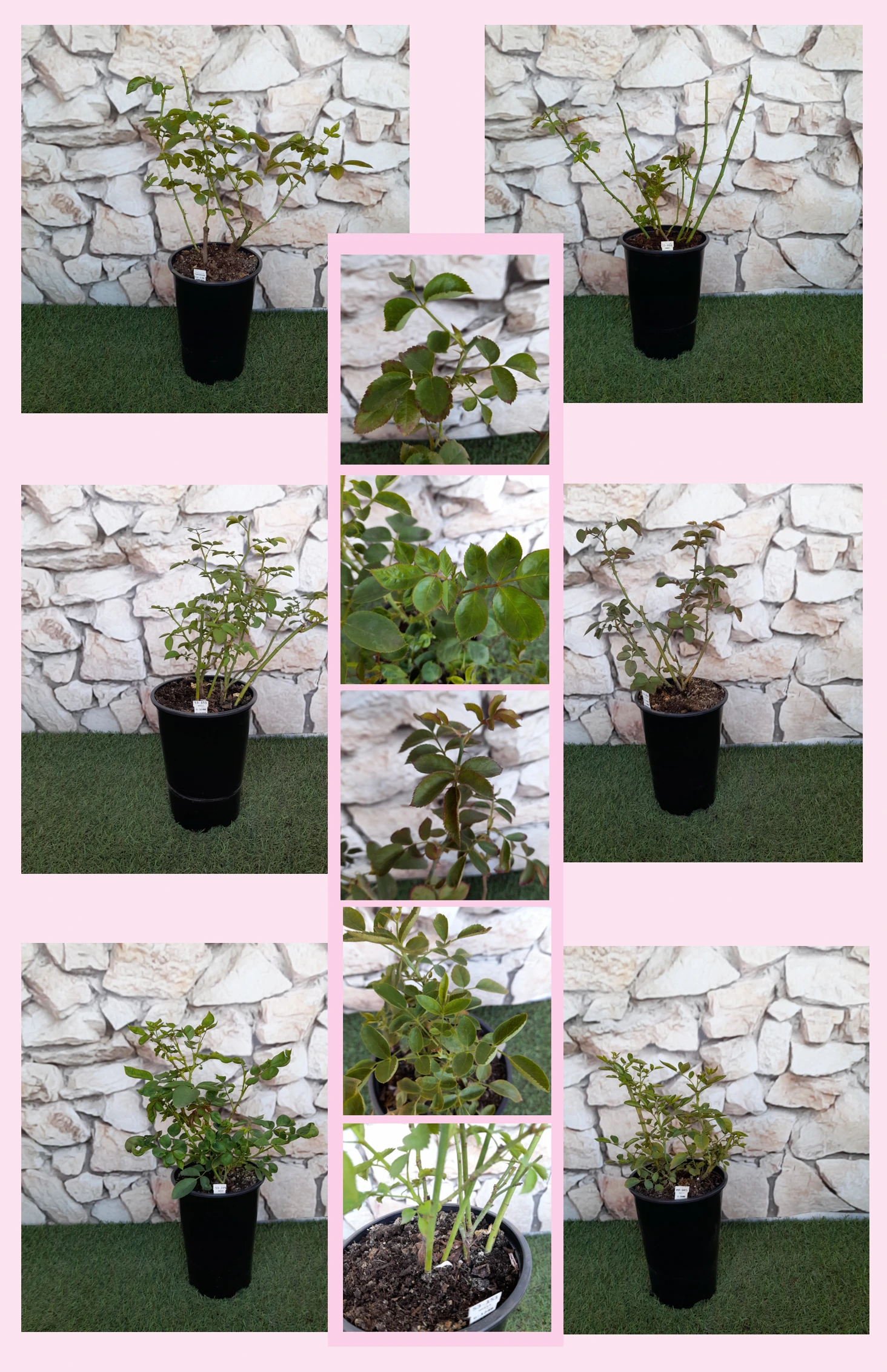
YUMEMURASAKI – purple bedding floribunda rose – Kawai
Step outside after a shower and let Yumemurasaki wrap your garden in dream-like, lilac-purple clusters and a very strong, citrus-fresh fragrance. This compact, upright floribunda is ideal for the Irish cottage or terraced front garden, coping calmly with cool summers and the kind of rainfall that keeps our clay soils heavy. Planted as an own-root pharmaROSA® ORIGINAL 2‑litre rose, it settles in gradually and can regenerate from its base for a genuinely long-lived lifespan. Think of its development as a gentle arc: roots in the first year, stronger shoots the second, and by the third a full display of rich clusters and reliable colour. With medium maintenance needs and moderate disease resistance, there is no need for complicated routines – just simple care, a sunny position with good drainage, and space to enjoy its elegant, silvery-lilac glow.
Usage options
| Target area |
Reasoning |
| Front-garden statement by the door |
Use Yumemurasaki as a welcoming focal point near the front step, where its strong, citrusy scent and compact, upright form can be enjoyed up close on everyday comings and goings; perfect for fragrance-seeking beginners. |
| Small cottage-garden border |
Plant in an informal border with enough breathing room between clumps so light and air reach the foliage in our humid climate with frequent soft rain, supporting steady flowering and easier care for busy gardeners. |
| Medium-height flowering hedge |
In a row at 55 cm spacing, Yumemurasaki forms a low, floribunda hedge with repeated clusters of lilac-purple blooms that soften boundaries without dominating, suiting family homes wanting gentle structure for children. |
| Feature rose in a large container |
Grow a single plant in a 40–50 litre pot with good drainage holes and quality peat-free compost, ideal for rented city spaces or paved terraces where you want high-impact colour in a movable display for urban residents. |
| Own-root long-term garden investment |
Because it is grown on its own roots, Yumemurasaki can shoot again from the base after winter damage or hard pruning, maintaining shape and ornamental value over many years and suiting forward-planning garden owners. |
| Layered mixed perennial bed |
Combine with airy perennials like Achillea or Coreopsis in a mixed bed so its mid-purple, silver-tinted flowers sit just above lower planting, giving a soft, hazy effect that appeals to nature-oriented cottage gardeners. |
| Seasonal showpiece near seating |
Place Yumemurasaki where you sit on summer evenings, so its medium height and remontant flowering create repeated waves of colour and perfume, offering a relaxing, low-effort highlight for time-poor but quality-loving couples. |
| Small family garden focal cluster |
Group three plants at 65 cm spacing in a triangle to create one dense, shimmering mound of lilac blooms, easy to maintain and impressive from the kitchen window, ideal for practical, impact-focused home gardeners. |
Styling ideas
- CITY THRESHOLD – Flank a Dublin terrace doorway with two large pots of Yumemurasaki, underplanting with trailing ivy-leaved pelargoniums for long colour – suited to style-conscious urban homeowners.
- COTTAGE RIBBON – Weave a short hedge of Yumemurasaki along a front path, interspersed with clumps of lady’s mantle to catch raindrops – ideal for lovers of relaxed cottage charm.
- TWILIGHT CORNER – Place Yumemurasaki near a bench with soft-white astrantia and silver-foliage lamb’s ear, so lilac blooms and fragrance glow in low evening light – perfect for evening garden sitters.
- PURPLE ACCENT – Pair Yumemurasaki with Crocosmia ‘Lucifer’ and golden yarrow in a mixed border to highlight its cool purple against hot reds and yellows – great for bold colour enthusiasts.
- MOVEABLE ROMANCE – Grow a single rose in a generous 50 litre container, shifting it seasonally beside the patio table or kitchen door to follow your daily routes – ideal for renters and balcony gardeners.
Technical cultivar profile
| Parameter |
Data |
| Name and registration |
Floribunda bedding rose, registered as ZENfuyumemu, traded as Yumemurasaki Bedding rose ZENfuyumemu; American Rose Society exhibition name Yumemurasaki, standard merit rating. |
| Origin and breeding |
Bred by Takashi Kawai, Perennial Co., Ltd, Japan, with unknown parentage; introduced and registered in 2009 by Perennial Co., Ltd as a distinctive purple floribunda bedding rose. |
| Growth and structural characteristics |
Upright, medium-sized shrub around 95–125 cm high and 60–80 cm wide, moderately prickly, with moderately dense, slightly glossy mid-green foliage providing a good backdrop to clustered blooms. |
| Flower morphology |
Very double, cup-shaped, cluster-flowered blooms with over 40 petals; medium-sized flowers about 4–7 cm across, remontant with generous repeat flushes that give good garden display through the season. |
| Colour data and phenology |
Mid-purple with a pinkish tone; buds deep viola-lilac, opening clear purple then lightening to greyish-lilac with silvery, glaucous petal edges; colour is vivid in cool weather and softens slightly in warmth. |
| Fragrance and aroma |
Very strong, garden-filling scent with a fresh, citrusy character; best appreciated at close to medium range around sitting areas or paths, adding notable sensory value despite the variety’s mainly ornamental role. |
| Hip characteristics |
Occasionally forms small, spherical orange-red hips about 6–9 mm across; sparsely produced but can add a discreet touch of late-season interest when present, without significantly affecting flowering performance. |
| Resistance and winter hardiness |
Hardy to approximately −21 to −18 °C (RHS H7, Swedish zone 3, USDA 6b); moderate resistance to black spot, powdery mildew and rust, benefitting from basic hygiene and occasional preventive treatments. |
| Horticultural recommendations |
Best in full sun with free-draining, improved clay soil; suitable for borders, hedging and large containers; allow spacing of 55–100 cm depending on use and maintain with seasonal feeding and light pruning. |
Yumemurasaki offers evocative purple clusters, powerful citrus fragrance and durable, regenerative own-root growth, making it a thoughtful, low-fuss choice for Irish family gardens and front plots you plan to enjoy for years.