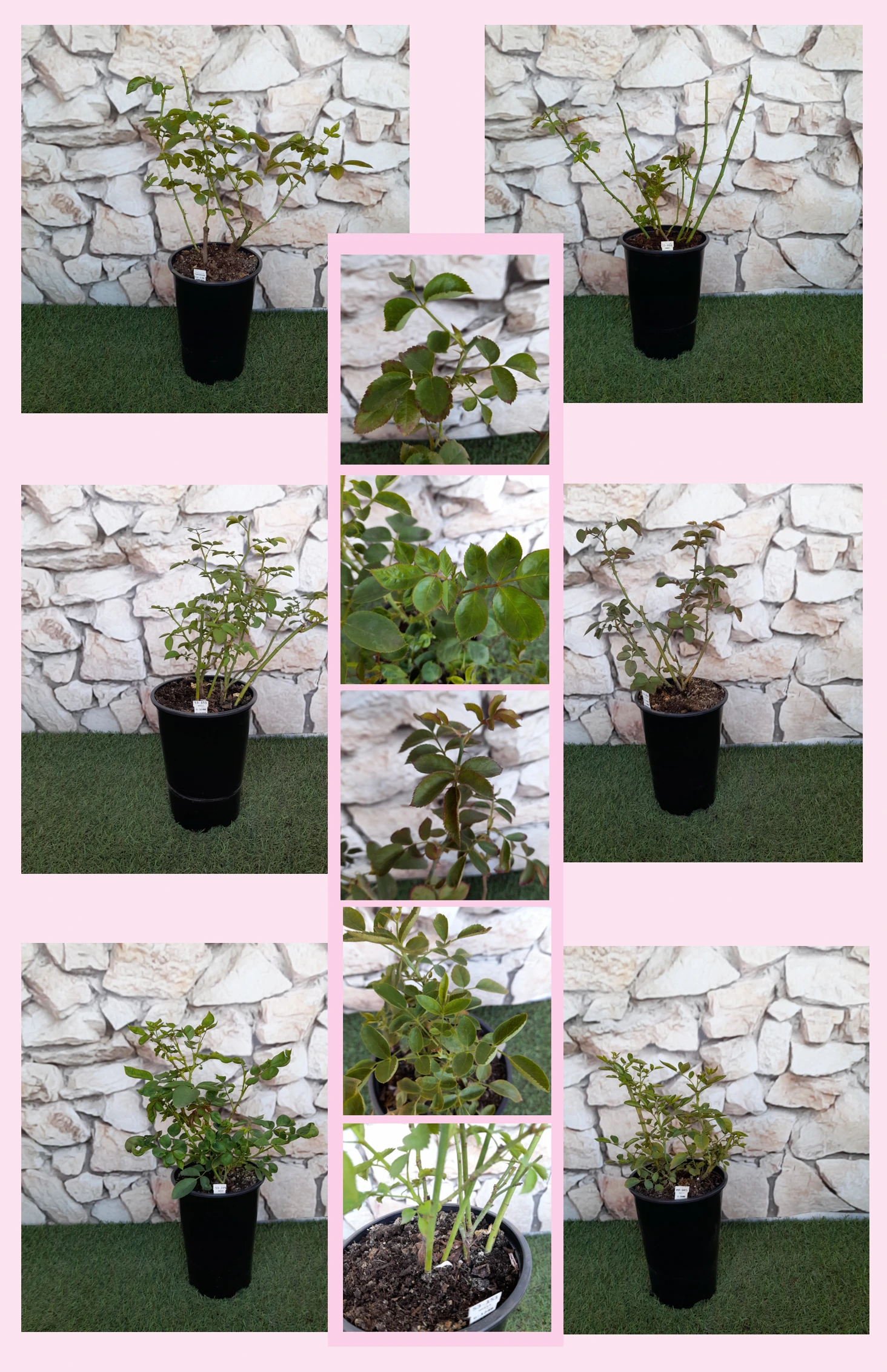
PINK RICCO AMORINA – pink groundcover rose – Amorina® collection
Cheerful and gently romantic, PINK RICCO AMORINA fills cottage-style beds and Dublin front gardens with low, seamless drifts of pink blossom from early summer into autumn. Its compact, ground-covering growth cloaks the soil in glossy, dark green foliage, softening path edges and front walls while helping your borders look finished with very little effort. Semi-double blooms with a mild, sweet fragrance open in clear mid-pink, then fade delicately to a powdery blush before giving way to clusters of orange-red hips that brighten the garden well into autumn. Once established, it copes well with heat and drier spells typical of exposed Irish sites, offering reassuring performance even where summers are brief and unreliable. As an own-root shrub, it is designed for a long, steady garden life, maturing from settling roots in its first year to stronger top growth in the second and a full, harmonious display by the third, so you can enjoy dependable, low-fuss colour for many seasons.
Usage options
| Target area |
Reasoning |
| Cottage-style flower bed in a small family garden |
The compact, ground-hugging habit quickly knits together into a soft, low mound, giving that “girly” cottage look without gaps or awkward maintenance. Semi-double mid-pink blooms appear in generous flushes, fading gracefully and needing little attention beyond basic seasonal care for the beginner. |
| Dublin terraced-house front garden edging |
Ideal for narrow front borders along railings or paths, where its restrained height and 35–60 cm spread create a neat pink ribbon rather than a tall hedge. Own-root growth means it recovers well from accidental knocks or road-splash and should give long service with simple pruning for the urban. |
| Low-maintenance family border under windows |
Once planted at the recommended spacings, its dense foliage forms a living mulch, shading the soil and helping reduce weed pressure and watering frequency. The shrub is bred for low day‑to‑day input, so you mainly enjoy colour and occasional light tidy‑ups, perfect for the busy. |
| Heat- and drought-exposed front or corner beds |
Suiting sunny, open positions, this variety settles in and then tolerates heat and moderate dry spells better than many roses, coping with brighter, reflective front gardens subject to warming stone and paving. This makes it a reassuring choice for the practical. |
| Mixed border with seasonal interest into autumn |
After the main flowering, the plant reliably produces colourful spherical orange-red hips, giving extra structure and colour when other perennials are fading. This extended season of ornament helps a smaller garden feel alive for longer, to the quiet delight of the thoughtful. |
| Own-root rose area for long-term planting |
Grown on its own roots, it builds strength slowly but steadily, renewing shoots from the base and keeping its shape more reliably over time than grafted equivalents, which supports a stable design in family gardens. The three‑year development arc rewards the patient planner. |
| Public-facing parking strip or street-side border |
With good tolerance of urban conditions, including warmer, drier pockets and slightly polluted air, this shrub copes well with hardstandings and kerbside beds where watering and care are occasional rather than regular, which is reassuring for the time-pressed homeowner. |
| Small rose bed with contrasting companions |
Its uniform mid-pink flowers and dark foliage pair beautifully with soft greens and airy textures, such as lady’s mantle, low clematis, and lighter annuals, in gardens that must also endure frequent wind and rain sweeping in from the Atlantic, supporting the style-conscious gardener. |
Styling ideas
- Cottage-Ribbon – Plant a curving line along a gravel path, weaving between lady’s mantle and soft geraniums for a romantic cottage feel that still needs very little pruning – ideal for relaxed, time-poor homeowners.
- Front-DoorWelcome – Mass three to five plants under a bay window or beside a front step, adding spring bulbs between them so pink summer waves give way to autumn hips – suited to Dublin terrace residents.
- Urban-Drift – In a sunny, 40–50 litre container or raised bed, let its compact habit spill over the edge, softened with fine grasses and thyme, making a forgiving feature for exposed city spots – perfect for balcony and small-yard gardeners.
- Soft-Structure – Use as a low, informal edge in front of taller perennials; its long season of blossom and decorative hips add structure without looking rigid – appealing to those designing family-friendly borders.
- Pink-Patchwork – Combine small groups at recommended spacing with white daisies and airy annuals for an easy-care tapestry of colour that looks planned but not fussy – great for beginners seeking quick impact.
Technical cultivar profile
| Characteristic |
Data |
| Name and registration |
Groundcover shrub rose from the Amorina collection; trade name PINK RICCO AMORINA, registered as RUIRJ0065A, commercial type groundcover rose, exhibition category shrub rose for garden use. |
| Origin and breeding |
Bred and introduced by De Ruiter Innovations B.V. in the Netherlands, with parentage recorded as unknown; estimated introduction around 2021, developed for modern landscape and domestic planting. |
| Awards and recognition |
Recognised at Boskoop’s Royal Horticultural Society (KVBC) competitions with Certificates of Excellence, confirming valuable ornamental performance and dependable garden merit in professional trials. |
| Growth and structural characteristics |
Compact, ground-covering shrub reaching about 30–55 cm in height with a 35–60 cm spread; dense, glossy dark green foliage and moderate prickles create an effective, low-maintenance living carpet. |
| Flower morphology |
Semi-double, cup-shaped blooms with approximately 13–25 petals, borne in clusters of small 1–4 cm flowers; remontant habit with abundant second flowering ensures repeated decorative effect through the season. |
| Colour data and phenology |
Warm mid-pink petals (ARS MP, RHS 62C outer, 62D inner) open clear and even, then gently lighten to a powdery pale pink before fading, giving soft tonal shifts from bud to fall throughout each flush. |
| Fragrance and aroma |
Mild, pleasantly sweet fragrance that adds a gentle scented note at close range without overpowering nearby seating areas; semi-double structure offers only limited pollen access, so pollinator value is modest. |
| Hip characteristics |
Produces regular, spherical orange-red hips about 16–24 mm in diameter; the fruit set is visually conspicuous and intentionally decorative, extending interest into late autumn and early winter in most gardens. |
| Resistance and winter hardiness |
Rated very hardy to approximately −32 to −29 °C (RHS H7, Swedish zone 5, USDA 4b), making winter survival reliable; requires attentive site selection and hygiene due to susceptibility to common fungal leaf diseases. |
| Horticultural recommendations |
Best in sunny positions with well-drained soil; allow recommended spacing of 25–45 cm depending on use; water to establish, then maintain with low-input care, occasional light pruning, and seasonal mulching. |
PINK RICCO AMORINA offers soft pink groundcover flowers, compact low-maintenance growth and decorative autumn hips on a durable own-root shrub, making it a thoughtful, easy addition to a long-lived Irish garden.