PINK ELIZABETH ARDEN – pale pink bedding floribunda rose – Tantau
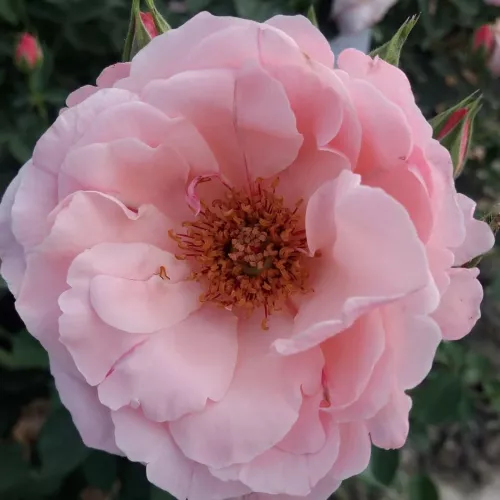
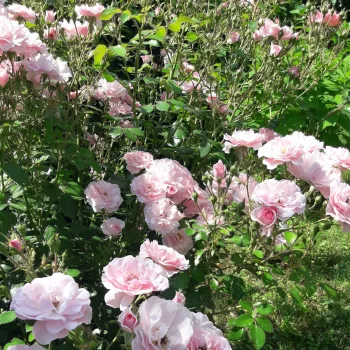
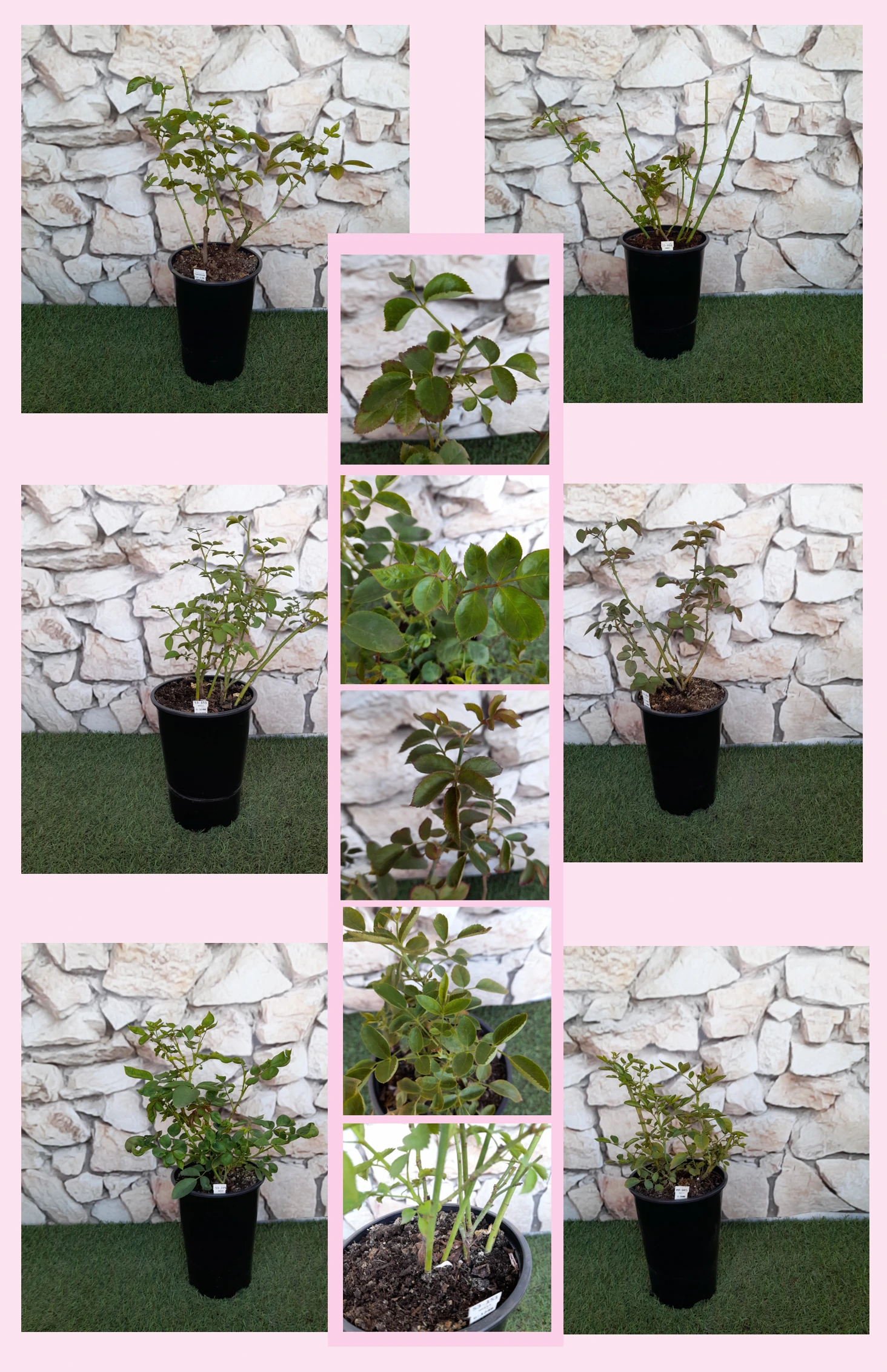
Soft, pastel blooms of PINK ELIZABETH ARDEN bring a gently romantic, “girly” charm to Irish cottage borders and tidy Dublin front gardens, even when summers are cool and rainfall is frequent. This exhibition-quality floribunda builds into a neat, upright shrub that keeps producing airy sprays of semi-double flowers over a long season, rewarding light maintenance with waves of colour. As an own-root plant, it settles in securely and offers reassuring longevity, regrowing strongly if ever cut back hard and keeping its shape without complicated pruning. In its first year you will mainly notice steady root growth, the second brings fuller shoots, and by the third it reveals its complete ornamental charm as a reliable bedding rose. Cheerful yet refined, it feels particularly at home beside cottage favourites and clipped boxwood, creating a welcoming sense of contentment every time you step outside.
Usage options
| Target area |
Reasoning |
| Cottage-style front garden bed |
The upright, compact habit and pastel-pink sprays suit narrow beds in front gardens where space is limited but impact matters, forming a low, romantic drift of colour with simple pruning needs – perfect for the busy homeowner. |
| Low flowering hedge along a path |
Planted at 35 cm spacing, PINK ELIZABETH ARDEN knits into a softly formal, low hedge, offering repeated flushes of pale blooms while its dense foliage keeps the line looking full even between flower waves – ideal for the design-conscious beginner. |
| Mass planting in family gardens |
At 40 cm spacing and 5.7–6.6 plants/m², it creates a carpet of coordinated colour; remontant flowering ensures the bed rarely looks bare, so children and guests always see something pretty in bloom – reassuring for the casual gardener. |
| Feature rose in a large patio container |
Its moderate height and upright form work beautifully in a 40–50 litre container where the roots have room to establish, making a movable accent for small terraces or rented spaces – well suited to the urban tenant. |
| Pollinator-friendly mixed border |
The semi-double, open-centred flowers give bees and hoverflies easy access to pollen while still reading as classic roses, allowing you to combine beauty with biodiversity in a relaxed border – attractive to the nature-loving buyer. |
| Long-season colour under Atlantic weather |
This remontant floribunda keeps sending up new sprays after deadheading, so even in cool, breezy summers with frequent light rain you still enjoy ongoing flower display – reassuring for the coastal gardener. |
| Long-term, low-fuss planting scheme |
Own-root plants age gracefully, rebuilding from the base if stems are damaged and avoiding awkward graft bulges, so the shrub stays balanced and serviceable for years with modest care – ideal for the time-pressed owner. |
| Cutting garden and small spray bouquets |
Clustered blooms on 3–5 flower stems give charming sprays for the house; regular cutting encourages more flowering, turning simple snipping into a way to keep beds tidy and productive – delightful for the hobby florist. |
Styling ideas
- Cottage-Drift Border – Mass plant in soft curves with guelder rose and foxgloves to create an informal Irish cottage feel – for romantically inclined front-garden owners.
- Pretty-Path Hedge – Line a front path at 35 cm spacing, edging with low boxwood to frame the pastel flowers – for those who like gentle structure without fuss.
- Pastel-Patio Pot – Grow one plant in a 40–50 litre clay pot with trailing ivy and white lobelia – for balcony and small-terrace dwellers.
- Pollinator-Ribbon – Thread through Russian sage, salvias and herbs to offer colour and accessible nectar in a relaxed strip planting – for wildlife-friendly families.
- Curtain-of-Sprays – Combine several plants behind a low stone wall so flower trusses lean over like a soft curtain – for lovers of old-fashioned, romantic streetscapes.
Technical cultivar profile
| Characteristic |
Data |
| Name and registration |
Floribunda bedding rose; registered as TANtenom, trade name Pink Elizabeth Arden; also exhibited as Geisha in floribunda spray classes; collection category bedding rose. |
| Origin and breeding |
Bred by Mathias Tantau Jr., Rosen Tantau, Uetersen, Germany; bred 1964, introduced 1966, with initial distribution via Rosen Tantau in Europe and Roy H. Rumsey Pty. Ltd. in Australia. |
| Awards and recognition |
Holds ADR-Sorte classification in Germany from 1965, signalling tested garden value; floribunda spray first place at Tualatin Valley Rose Society Show, USA, in 1998. |
| Growth and structural characteristics |
Upright, bushy shrub 80–120 cm high and 50–70 cm wide, with dense, dark green, slightly glossy foliage and moderate prickliness; self-cleaning is partial, so light deadheading improves appearance. |
| Flower morphology |
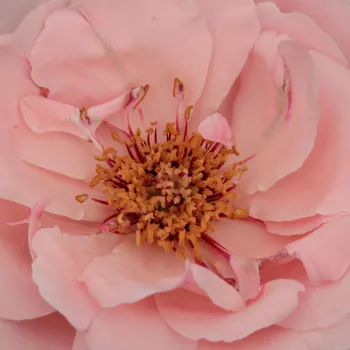
Semi-double, cup-shaped blooms with 13–25 petals, medium-sized at 4–7 cm; borne in clusters of 3–5 flowers per stem, remontant with a generous second flush in suitable conditions. |
| Colour data and phenology |
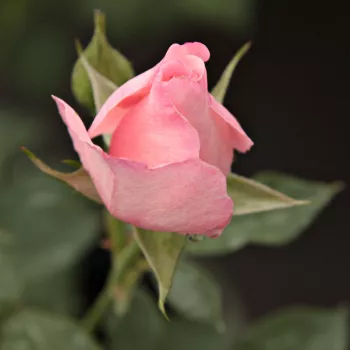
Pastel pale pink overall, ARS LP; RHS 65C outer and 65D inner; buds soft pink, opening to porcelain-like creamy light pink and finally very pale, almost white petal edges as the flower ages. |
| Fragrance and aroma |
Very weak, barely perceptible rose fragrance with a simple rosy character; intended primarily as a visual bedding and spray rose rather than a strongly scented variety for fragrance gardens. |
| Hip characteristics |
Produces moderate numbers of small, red, ellipsoidal hips, about 8–12 mm in diameter; hips can add a light decorative effect in late season if spent blooms are not removed. |
| Resistance and winter hardiness |
Hardy to around −21 to −18 °C (USDA 6b, RHS H7, Swedish zone 3); disease resistance is medium to powdery mildew, black spot and rust, so occasional preventative care may be needed. |
| Horticultural recommendations |
Best in full sun with well-drained but moisture-retentive soil; ideal for beds, mass plantings, low hedges, containers over 40 litres, and cut sprays; moderate maintenance with regular deadheading and watering in drought. |
PINK ELIZABETH ARDEN offers long-season pastel sprays, partial pollinator appeal and dependable own-root durability for relaxed family gardens; consider it if you value gentle colour with straightforward care.