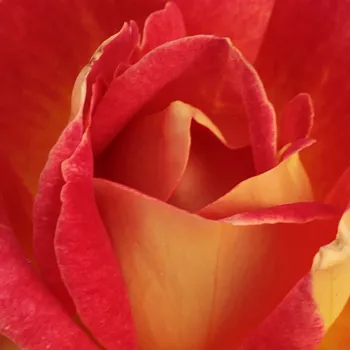
PICCADILLY – yellow-red hybrid tea rose - McGredy
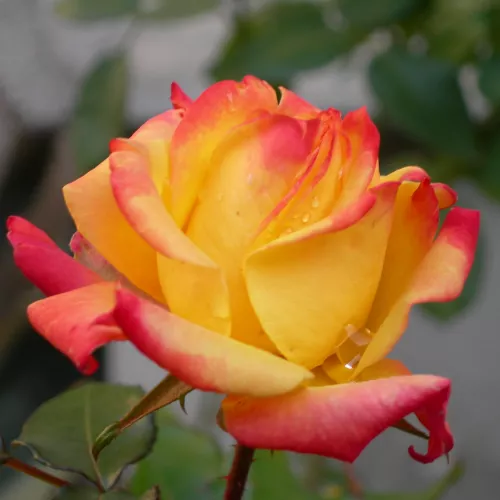
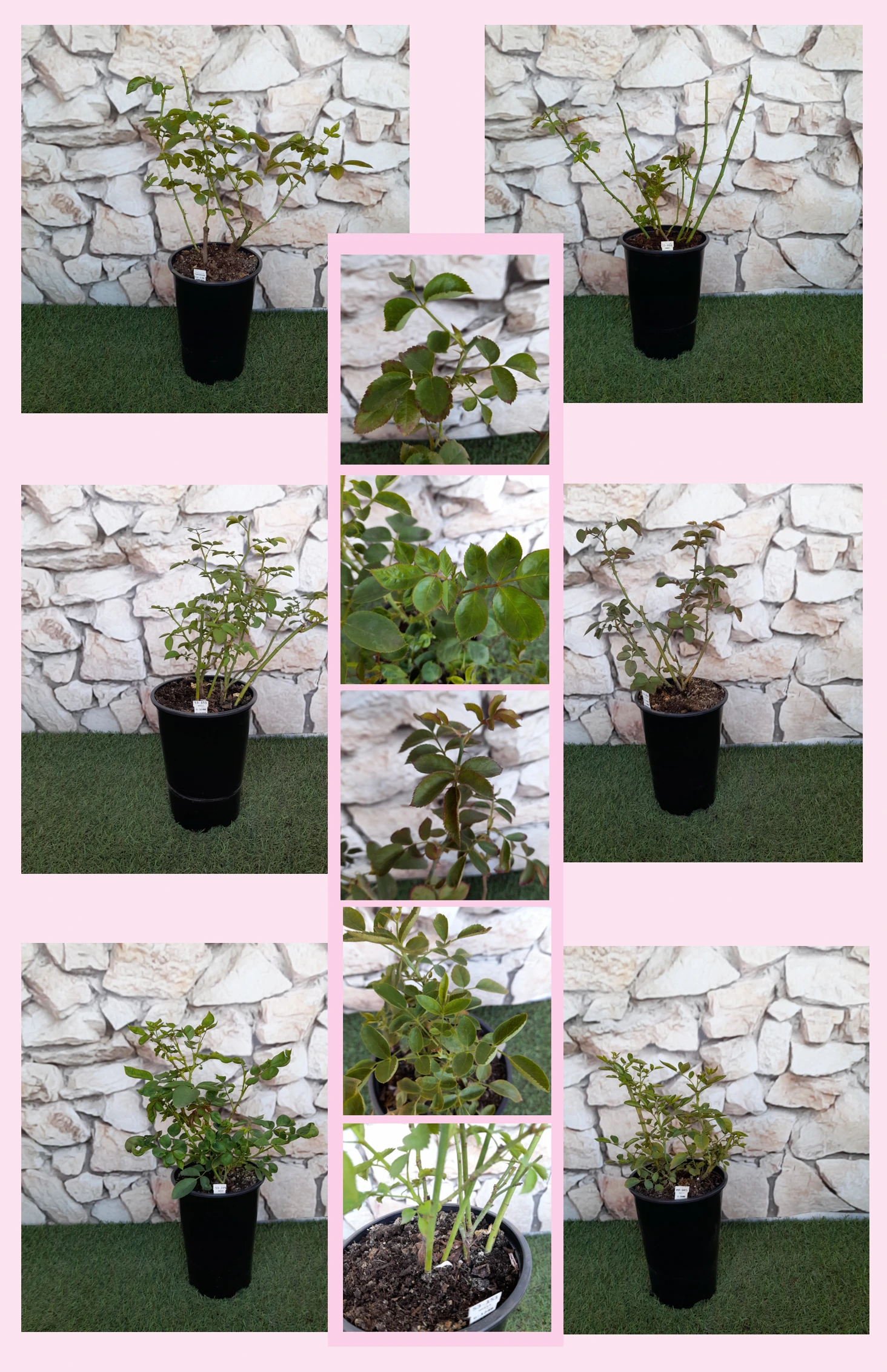
Step out to meet the cheerful glow of PICCADILLY, a classic hybrid tea rose that brings an instant sense of sunshine to smaller Irish gardens and city front plots. Its large, high-centred blooms open in a vivid bicolour blend of yellow and scarlet-red, perfect for cutting and enjoying indoors after a short stroll in soft rain. Bushy, upright growth and glossy dark foliage make it naturally elegant, while medium maintenance means you simply keep it watered and deadhead lightly for strong repeat flowering. On its own roots it settles in reliably, building a long-lived framework that copes steadily with our cool summers and frequent showers, even where rainfall and heavy soil demand sensible drainage. Over time the plant moves from root-building to stronger top growth and then full garden impact, so you can look forward to year-on-year longevity, dependable rebloom, easy personal harvests of exhibition-style blooms, and an effortlessly ornamental presence beside cottage paths and Dublin terraces.
Usage options
| Target area |
Reasoning |
| Front garden focal point |
The upright, bushy habit and XL, high-centred flowers create an instant focal point beside a path or low wall, ideal for compact Dublin terraces where every shrub must earn its place for beginners. |
| Cottage-style mixed border |
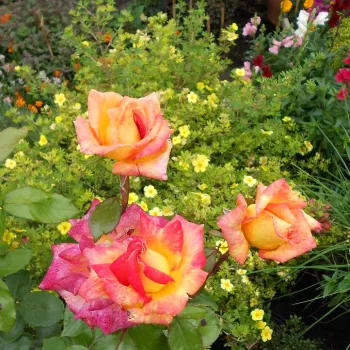
Repeat-flowering from early summer onwards, PICCADILLY threads waves of yellow-red colour through perennials and grasses, giving that relaxed, “girly” cottage look with minimal fuss for busy homeowners. |
| Cutting strip or picking bed |
The long, straight stems and classic, exhibition-style buds are perfect for vases; with regular deadheading the bush keeps sending up new blooms, providing a steady home-grown supply for flower-lovers. |
| Small rose bed in family garden |
Medium-height, bushy plants at 50 cm spacing quickly knit into a colourful bed; own-root vigour supports a stable shape and long lifespan, ideal where you want lasting structure for young families. |
| Feature shrub in large container |
In a 40–50 litre pot with good drainage, this variety offers dramatic colour on a manageable plant, letting you brighten paved or rented spaces without complex maintenance for urban gardeners. |
| Sunny spot with heavier Irish soil |
Once established on its own roots, the plant copes reliably with cool, damp Irish conditions and regular Atlantic showers, provided you ensure reasonable drainage in areas of persistent wet for clay-gardeners. |
| Low seasonal hedge or line |
Planted at about 40 cm intervals, the upright bushes make an attractive flowering line along drives or paths; repeat blooming and glossy foliage keep the effect smart with simple care for neatness-seekers. |
| Pollinator-friendly, fragrant corner |
Though double-flowered, PICCADILLY still offers a mild fruity scent and some nectar access; combine with pollinator stars like lavender and heuchera to enrich wildlife value for nature-lovers. |
Styling ideas
- Cottage-Romantic Row – Plant three PICCADILLY in a gentle curve with pink foxgloves and airy grasses for a soft cottage feel – ideal for nostalgic front-garden owners.
- Terraced-Luxe Pot – Grow one plant in a 50 litre terracotta pot with trailing thyme and ivy to frame a doorway – ideal for style-conscious city dwellers.
- Sunset Cutting Patch – Line a narrow bed with PICCADILLY and underplant with low heuchera for easy, plentiful cut flowers – ideal for home arrangers.
- Neat Pathway Edge – Use a short run of bushes at 40 cm spacing with dwarf lavender for scent and structure – ideal for order-loving gardeners.
- Colour-Contrast Corner – Pair PICCADILLY with blue ceanothus and pale ornamental grasses to make the bicolour blooms pop – ideal for bold-colour enthusiasts.
Technical cultivar profile
| Parameter |
Data |
| Name and registration |
Hybrid Tea group; registered as MACar, marketed as PICCADILLY hybrid tea rose; ARS exhibition name PICCADILLY; commercial group Rós taehibride; own-root, 2-litre container-grown form. |
| Origin and breeding |
Bred by Samuel Darragh McGredy IV from ‘McGredy’s Yellow’ × ‘Karl Herbst’; introduced by Samuel McGredy & Son, Nurserymen (Northern Ireland) around 1959 after breeding work completed in the mid-1950s. |
| Awards and recognition |
RNRS Certificate of Merit (1959); Madrid Gold Medal (1960); Rome Gold Medal (1960); historically valued as an exhibition hybrid tea combining vivid bicolour flowers with good garden performance. |
| Growth and structural characteristics |
Bushy, upright shrub typically 80–110 cm tall and 60–85 cm wide; dense, glossy, dark green foliage and moderate prickles; medium self-cleaning, occasional deadheading maintains a tidy appearance. |
| Flower morphology |
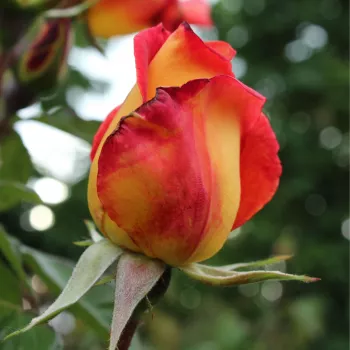
Very large, high-centred, pointed buds opening to double blooms with about 26–30 petals; solitary flowers on strong stems; classic exhibition hybrid tea form, well-suited to cutting and display. |
| Colour data and phenology |
Bicolour yellow-red flowers; ARS code YR, RHS 13B outer and 45A inner; colours are brightest in cooler weather, softening to creamy yellow and pink tones as blooms age and in strong sunshine. |
| Fragrance and aroma |
Mild, restrained fruity fragrance, noticeable at close range but not overpowering; suitable for those preferring a gentle scent indoors in vases or near frequently used garden seating areas. |
| Hip characteristics |
Produces a moderate number of small, spherical hips 6–10 mm across; bright red colour gives autumn interest; may appear after flowering if deadheading is reduced later in the season. |
| Resistance and winter hardiness |
Hardy to about −21 to −18 °C (RHS H7, USDA 6b, Swedish zone 3); moderate disease resistance overall with good black spot resistance, moderate mildew and rust; prefers steady moisture without drought. |
| Horticultural recommendations |
Best in sunny, well-drained soil; space 50 cm in beds, 40 cm for low hedges, 75 cm as a specimen; plant 4.2–4.8 plants/m² for mass effect; water in dry spells and mulch to stabilise moisture levels. |
PICCADILLY hybrid tea rose MACar brings vivid bicolour blooms, reliable repeat flowering and long-lived own-root strength to small Irish gardens, making it a thoughtful choice if you’d like lasting colour with manageable care.