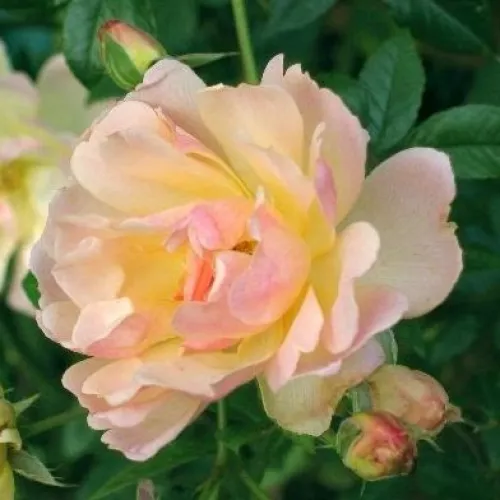
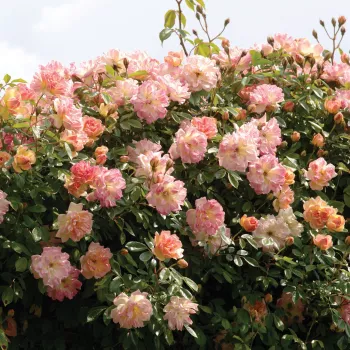
PHYLLIS BIDE – apricot-pink climbing rose - Bide
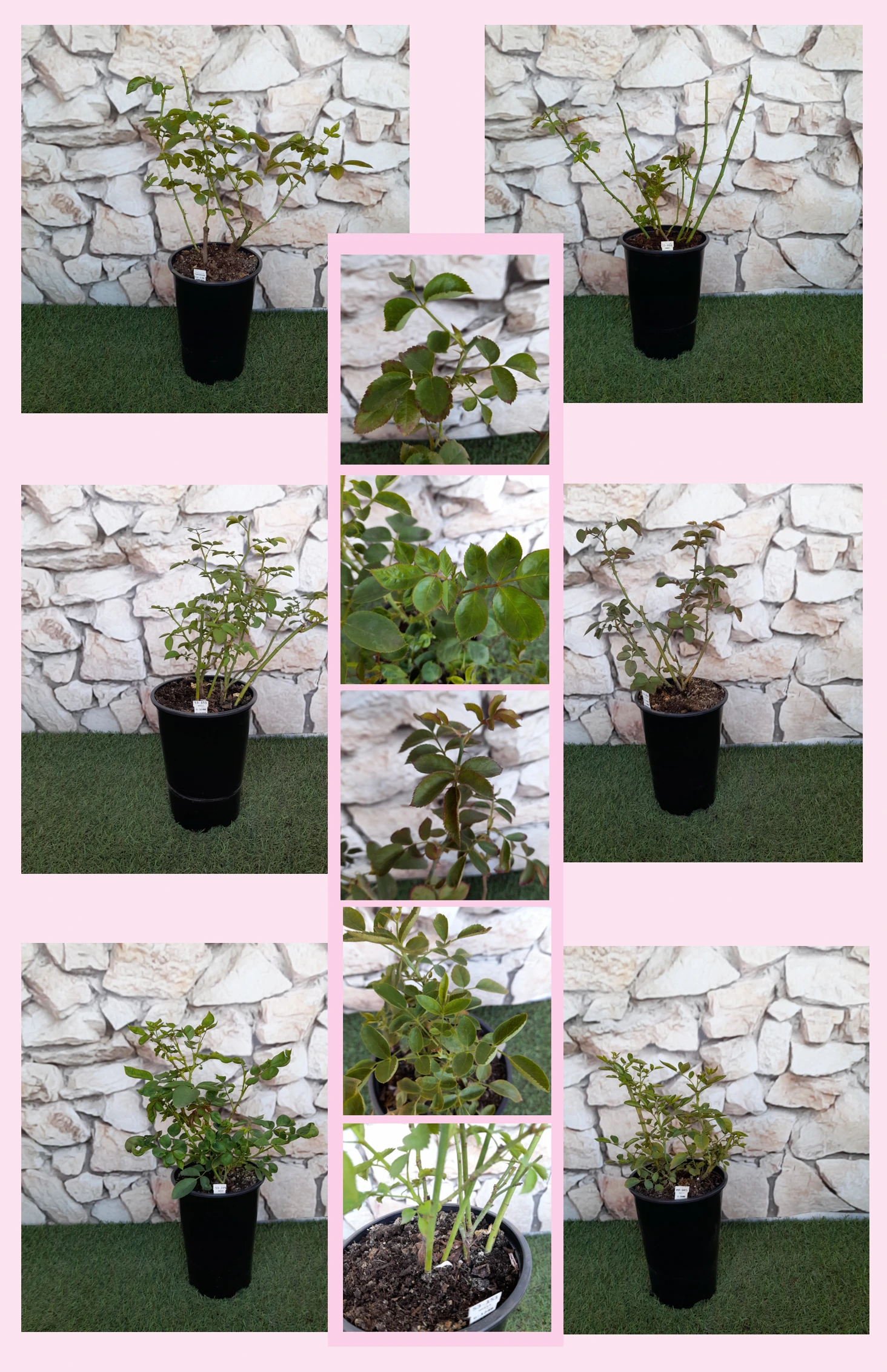
Let Phyllis transform a plain wall or cottage porch into a soft haze of peach-pink blossom, bringing romance and gentle colour to smaller Irish gardens with very little fuss. This classic 1920s climber flowers in generous clusters several times through the season, so you enjoy reliable colour even when summers are short and unsettled. Bred from old favourites and supplied on its own roots, it builds strength steadily for a long, dependable life in your garden, recovering far better from wind or winter damage than grafted roses. Simply give it reasonable drainage, a sturdy support and light pruning, and it will respond with airy, cottage-garden charm and a relaxed, informal look that suits Dublin terrace fronts as much as country plots. Over the first three years it focuses on roots, then growth, and finally full coverage of flowers along your arch, fence or pergola, even where summers are cool and rainfall and salt-laden breezes are frequent.
Usage options
| Target area |
Reasoning |
| Cottage-style front garden arch |
A compact climber with peach-pink clusters, it quickly gives a storybook arch over a path without overwhelming a small Irish front garden. Regular repeat flowering keeps the entrance welcoming with minimal pruning for beginners. |
| House wall or sunny gable |
Useful height with moderate spread makes it ideal for training along trellis or wires beside a doorway or under an upstairs window, creating long-lived vertical colour with only occasional tying-in for busy-owners. |
| Family pergola or seating area |
The light, semi-double blooms and mid-green foliage create a soft, filtered effect above a bench without becoming too dense or spiny, for a gentle, lived-in look appreciated by cottage-gardeners. |
| Part-shaded city side-return |
Tolerant of partial shade, it will still flower reliably where light is limited by neighbouring houses, giving vertical interest where space is tight for urban-gardeners. |
| Small garden specimen climber |
On its own root system it matures into a stable, medium-sized climber with a long lifespan, recovering well after hard pruning or storm damage and suiting patient homeowners. |
| Fence line with cottage perennials |
Massed planting at wider spacing allows soft curtains of blossom along a boundary; its remontant habit means colour returning through summer, even in cool, wet spells appreciated by colour-lovers. |
| Rose and lavender mixed border |
Moderate disease resistance and good heat tolerance pair well with sun-loving companions like lavender, while mulch and simple pruning keep care straightforward for low-maintenance gardeners. |
| Exposed but sheltered coastal corner |
With good heat and drought tolerance once established and capable growth in areas where rain and salt-tinged breezes are frequent, it brings enduring cottage charm for nature-lovers. |
Styling ideas
- Cottage Archway – Train Phyllis Bide over a slim metal arch, underplant with foxgloves and hardy geraniums for a soft, romantic tunnel of blossom – ideal for cottage-style dreamers.
- Dublin Doorway – Fan it on trellis around a terraced-house door, with pots of lavender and thrift below, to frame the entrance in gentle colour – perfect for city-front-garden owners.
- Pastel Pergola – Let stems weave loosely along a wooden pergola, teamed with Vinca minor and shade-tolerant ferns at ground level for a relaxed, dappled retreat – suited to busy families.
- Wall Focal-Point – Use a single plant as a vertical accent on a sunny gable, with clipped box and herbs nearby for contrast between soft blossom and neat structure – attractive to design-conscious gardeners.
- Coastal Drift – Combine this drought-tolerant climber with sea-holly, grasses and low perennials along a sheltered fence for a breezy, naturalistic border – appealing to seaside homeowners.
Technical cultivar profile
| Trait |
Data |
| Name and registration |
Phyllis Bide is a climbing polyantha rose, marketed as an apricot-pink climbing rose; an unregistered variety used in gardens and exhibitions under this long-established trade name. |
| Origin and breeding |
Bred in the United Kingdom by S. Bide & Sons from ‘Perle d’Or’ × ‘Gloire de Dijon’; introduced in 1924 through Grandes Roseraies du Val de Loire and still grown worldwide. |
| Awards and recognition |
Holds the Royal Horticultural Society Award of Garden Merit, indicating reliable garden performance, consistent ornamental value and usefulness under typical conditions in temperate-climate home gardens. |
| Growth and structural characteristics |
Vigorous climbing habit reaching about 240–380 cm high and 140–240 cm wide; moderately dense, glossy mid-green foliage with reddish young shoots and relatively sparse prickles on the canes. |
| Flower morphology |
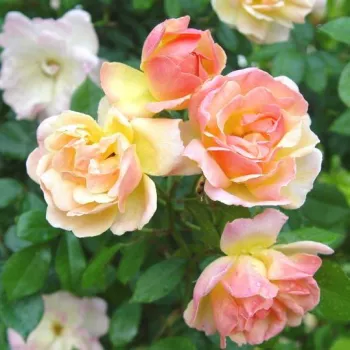
Semi-double, flat flowers with 13–25 petals, small in size at 1–4 cm, produced in clusters; remontant with an abundant second flush, giving a light, airy effect rather than heavy, full blooms. |
| Colour data and phenology |
Delicate peach-pink tones with a soft yellowish base; buds salmon-pink, opening yellowish-peach then fading to creamy white with a faint blush, with quicker fading in strong, direct sunlight. |
| Fragrance and aroma |
Fragrance is very weak and barely noticeable, with a soft, understated character; grown primarily for its colour effects, habit and repeat flowering rather than for strong perfume in the garden. |
| Hip characteristics |
Occasional small, spherical rose hips form after flowering, about 8–12 mm across, colouring orange-red and adding a modest autumn accent when not all spent blooms are removed. |
| Resistance and winter hardiness |
Hardy to about −21 to −18 °C (RHS H7, USDA 6b) with moderate resistance to black spot, powdery mildew and rust; tolerates heat and short droughts but needs watering in prolonged dry spells. |
| Horticultural recommendations |
Well suited to arches, pergolas, walls and fences; plant roughly 165–300 cm apart, in neutral to slightly acidic, well-drained soil; large containers should hold at least 40–50 litres for stability. |
PHYLLIS BIDE offers soft repeat-flowering colour, a space-saving climbing habit and long-lived own-root reliability; a thoughtful choice if you would like gentle cottage charm with modest care.