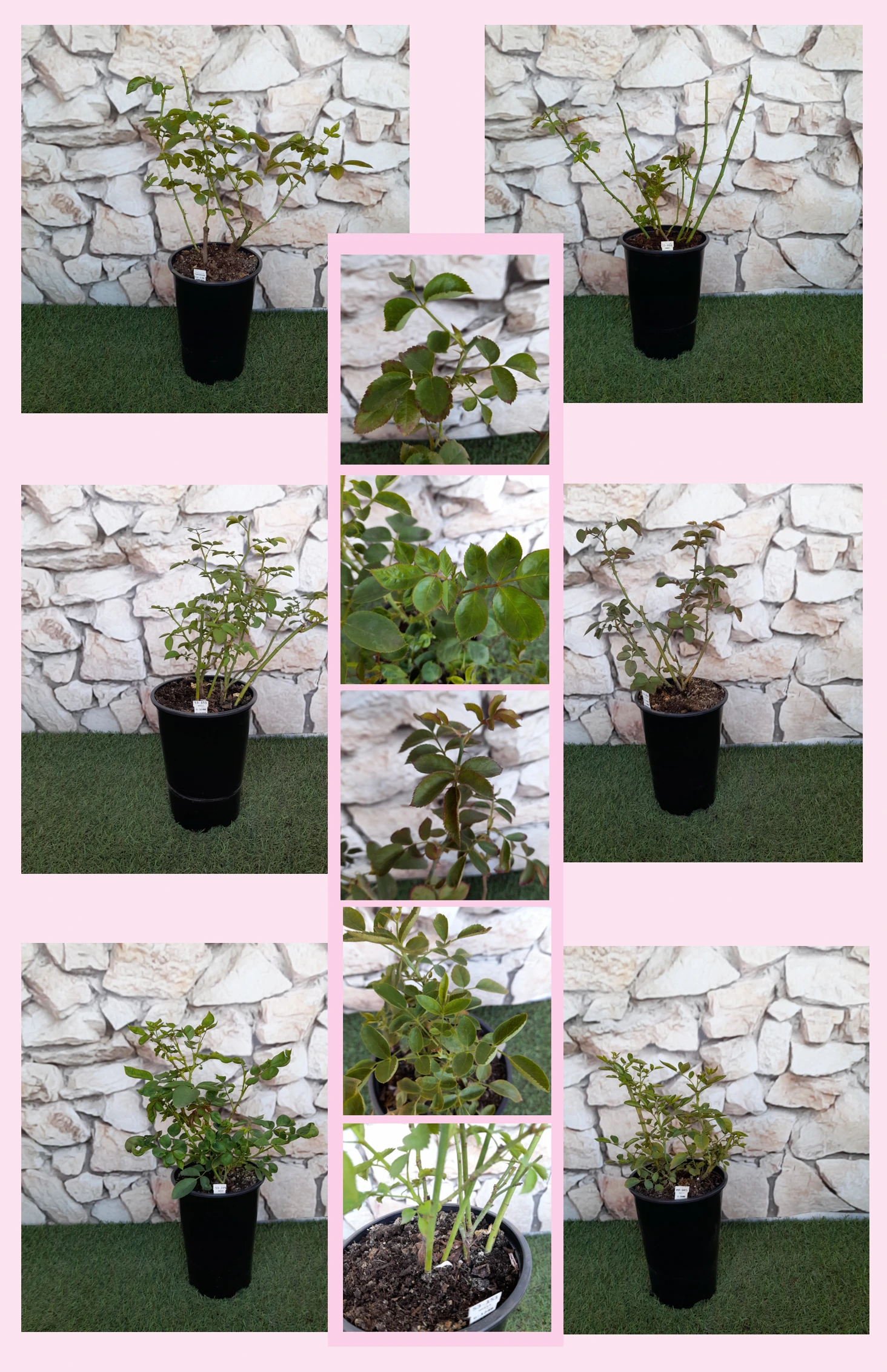
AUBE – pink nostalgic rose – Kimura
Imagine stepping outside for a brief stroll in soft morning light, the air clear after rain and the garden washed clean by showers and Atlantic breezes; AUBE surrounds you with damask sweetness and glowing clusters of rosette blooms, its tall, elegant climbing canes clothing a fence, arch or cottage wall in layers of pale pink and peach. Bred for repeat flowering, this nostalgic shrub brings an easy, long-lived rhythm to small Dublin front gardens and country plots alike, settling in steadily on its own roots so you can simply enjoy its evolving character and watch it reach full presence over a few quiet seasons.
Usage options
| Target area |
Reasoning |
| Cottage-style border backdrop |
AUBE’s tall, climbing habit (up to around 2 m) makes a graceful living backdrop for mixed borders, giving height and romance without demanding intricate pruning, while its own-root nature supports a long, stable life for relaxed, cottage-style gardeners at home |
| Fragrant seating area or patio |
With a very strong damask, myrrh-like scent noticeable from a distance, this variety is ideal beside a terrace, bench or small city sitting area, so you can enjoy perfumed evening air without complex care routines, even if you only have time for occasional tending in town |
| Obelisk, pillar or slim arch |
The flexible climbing growth and medium prickliness suit training on an obelisk, pillar or slim arch, creating a romantic vertical accent in modest gardens; remontant blooming keeps flowers returning through a short Irish summer for structure that truly earns its space for beginners |
| Freestanding specimen in lawn or gravel |
Planted as a solitary shrub with generous spacing, AUBE develops a broad, fountain-like shape and continuous clusters of large, full flowers, giving a strong focal point with relatively simple pruning and steady own-root regeneration for long-term ornamental value for families |
| Front-garden fence or low pergola |
Its climbing habit and moderate disease resistance to black spot and powdery mildew allow it to dress a low pergola or front-garden fence, offering privacy and character even in humid, rainy conditions influenced by Atlantic winds and frequent showers in coastal areas for urbanites |
| Romantic hedge or loose screen |
Using the recommended 105 cm spacing, AUBE can form a loose, fragrant hedge that softens boundaries without rigid formality; own-root plants recover more reliably from winter damage, steadily building a durable, flowering screen over the first three gardening years for planners |
| Large container on terrace or balcony |
In a well-drained container of at least 40–50 litres with quality compost and mulch, this rose offers nostalgic flowers and rich scent to those without open soil, and the strong own-root system helps it cope with root disturbance and periodic re-potting in busy urban lives balcony-owners |
| Small romantic rose collection |
With its premium rating, show certificate and distinctive Japanese breeding, AUBE adds a refined, nostalgic note to a curated rose group, and its repeat flowering provides season-long interest as roots establish, shoots strengthen and full ornamental value arrives by year three collectors |
Styling ideas
- Cottage-arch – Train AUBE over a narrow arch and underplant with chives and soft foxgloves for a storybook entrance – ideal for romantic cottage-garden lovers
- City-facade – Let its canes fan along wires on a Dublin terrace front, paired with lavender in the pavement strip – perfect for style-conscious urban homeowners
- Perfumed-corner – Place a large pot by a favourite chair, adding scented herbs and a small water bowl – suited to evening scent seekers
- Gravel-focal – Use as a lawn or gravel focal point with switchgrass ‘Sangria’ and airy Knautia for movement – attractive to relaxed, low-fuss gardeners
- Romantic-hedge – Plant a loose, fragrant hedge, weaving in hardy perennials in pink and cream – great for families wanting soft boundaries
Technical cultivar profile
| Parameter |
Data |
| Name and registration |
Aube Romantic rose Kim02, registered cultivar Kim02, nostalgia shrub rose in the Romantica group, commercial type Rós rómánsúil for ornamental fragrant garden use |
| Origin and breeding |
Bred by Takunori Kimura in Japan from ‘Chant Rose Misato’ × ‘Princesse de Monaco’; introduced in Europe via André Eve from 2021, registered in 2014 |
| Awards and recognition |
Certificate in the Large-flowered bush category at Hradec Králové rose trials in 2021, confirming ornamental and garden performance merit under Central European conditions |
| Growth and structural characteristics |
Vigorous climbing shrub, around 170–230 cm tall with 90–150 cm spread, moderately thorny canes and mid-green, slightly glossy foliage of medium density, suitable for training |
| Flower morphology |
Very full, rosette-style clusters of large 7–10 cm blooms with more than 40 petals, remontant through the season with particularly abundant first and second flush flowering |
| Colour data and phenology |
Silky pale pink outer petals and peach-pink centres, with creamy petal reverses; tones vary with warmth, sometimes deepening with violet–orange hints, ARS code pb, RHS 36D/31C |
| Fragrance and aroma |
Rich, very strong fragrance of classic damask rose with myrrh-like notes, noticeable from a distance in still air, intended primarily for ornamental and sensory garden enjoyment |
| Hip characteristics |
Occasional small ellipsoid orange-red hips, about 9–15 mm across, produced sparsely as the flowers are very double, adding subtle late-season interest without heavy seeding |
| Resistance and winter hardiness |
Hardy to about −26 to −23 °C (H7, USDA 5b); good heat tolerance, resistant to black spot and powdery mildew, with moderate susceptibility to rust under high humidity |
| Horticultural recommendations |
Best in fertile, well-drained soil with regular mulching; allow 105–200 cm spacing depending on use, and provide support for climbing canes on fences, arches or obelisks |
Aube Romantic rose Kim02 offers rich damask fragrance, repeat flowering and graceful climbing form on practical own-root plants that settle in for years of easy enjoyment, making it a thoughtful addition to your garden plans.