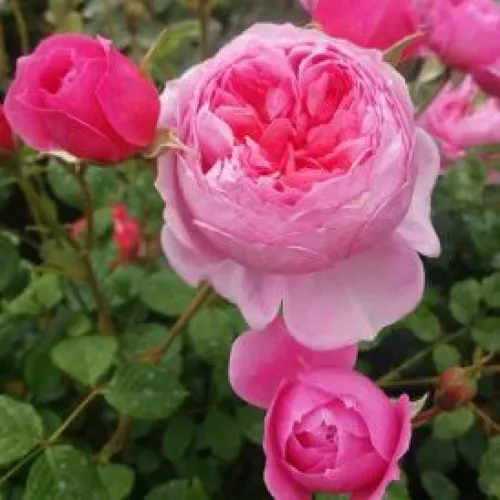
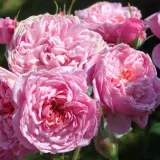
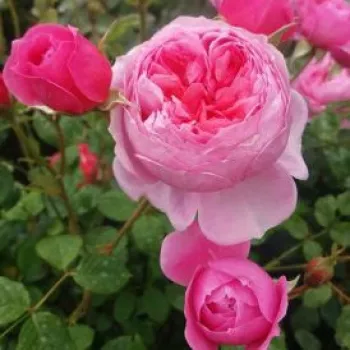
PARC DE LA BELLE – pink climbing rose – Dittière
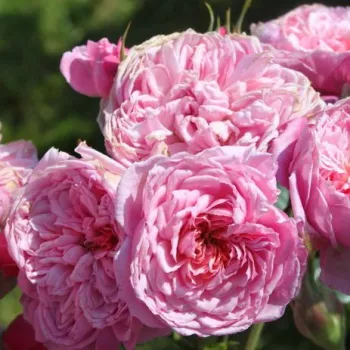
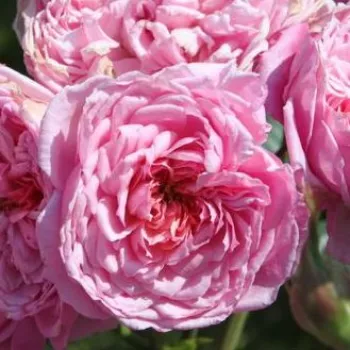
PARC DE LA BELLE is a romantic, pale-pink climbing rose created for relaxed strolling moments in small Irish gardens, where soft petals meet gentle, fresh showers and humid air. Its medium, ball-shaped blooms carry a clear, fruity fragrance, ideal beside a front door, arch, or cottage-style wall where you pass by every day. Developed in France, this tall, glossy-leaved climber offers reliable remontant flowering through the season, bringing repeat waves of pastel blossoms even when our summers are short and uneven. Grown on its own roots, it is designed for a long garden life, with stable ornamental value and the reassuring ability to regenerate from the base if damaged, so you can expect a natural progression from settling roots in the first year, stronger shoots in the second, and full decorative impact by the third. Use it to frame windows or soften boundaries, creating an easy-going, slightly romantic cottage feel in urban or country spaces with character, while its healthy foliage and careful training help maintain a relaxed yet cared-for appearance.
Usage options
| Target area |
Reasoning |
| Front garden arch or porch entrance |
Clothed in soft pink, medium-sized blooms with a fresh, fruity scent, PARC DE LA BELLE turns a simple arch or porch into a welcoming feature you walk under every day, ideal for creating charm for beginners. |
| Cottage-style boundary or low wall |
The tall, flexible canes and glossy, dark foliage are perfect for training along a low wall or fence, giving a gentle Irish cottage-garden look without needing a large border, especially appealing to homeowners. |
| Dublin terraced-house facade |
Its climbing habit lets you green a narrow front plot vertically, softening brick or render with pastel, ball-shaped flowers that repeat through the season, which suits space-conscious urban gardeners. |
| Sunny pergola in a family garden |
When given a sunny position and firm support, this remontant climber creates overhead shade laced with pale pink clusters, encouraging relaxed outdoor seating for fragrance-loving families. |
| Feature rose in a mixed flowerbed |
Used as a solitary specimen at the back of a bed, its 170–260 cm height, dense foliage and repeating flushes of flowers provide vertical structure and long-season colour for casual hobbyists. |
| Own-root long-term garden investment |
As an own-root plant, it renews itself from the base if stems are winter-damaged and avoids rootstock suckers, offering a stable, long-lived presence for forward-planning buyers. |
| Small courtyard with large container |
In a 40–50 litre or larger container with good drainage and support, it can be trained up a trellis to bring height and fragrance to paved spaces, ideal for busy urban residents. |
| Rainy, wind-exposed coastal garden corner |
Once established with good soil structure and drainage, its climbing habit and repeat flowering provide soft colour even where frequent Atlantic showers and breezes limit other choices, encouraging resilient-minded gardeners. |
Styling ideas
- Cottage-arch – Train PARC DE LA BELLE over a slim metal arch with rosemary at the base to scent the path in all seasons – ideal for romantic, fragrance-seeking homeowners.
- Soft-facade – Fan the canes against a warm wall, underplanted with white Liatris and pastel perennials for a calm, light-reflecting front garden – perfect for Dublin terrace gardeners.
- Pastel-pergola – Use two or three plants on a pergola, combining with airy grasses and knotweed for a relaxed, semi-wild look – suited to nature-oriented families.
- Container-trellis – Grow in a 50 litre half-barrel with sturdy trellis, mulched well, to bring vertical colour to patios – great for busy urban beginners.
- Feature-fence – Space plants along a boundary and weave canes horizontally, pairing with low lavender or herbs for a soft-edged, “girly” cottage line – appealing to style-conscious hobby gardeners.
Technical cultivar profile
| Property |
Data |
| Name and registration |
PARC DE LA BELLE – pink climbing rose – Dittière; trade name for a large-flowered climbing rose in the “Rós dreapadó” commercial group; own-root, container-grown for garden use. |
| Origin and breeding |
Bred in France by Jean-Pierre Dittière, introduced around 2005 by Roseraie Jardirose and partners; parentage unknown but selected for climbing habit, pale-pink colour and remontant flowering. |
| Growth and structural characteristics |
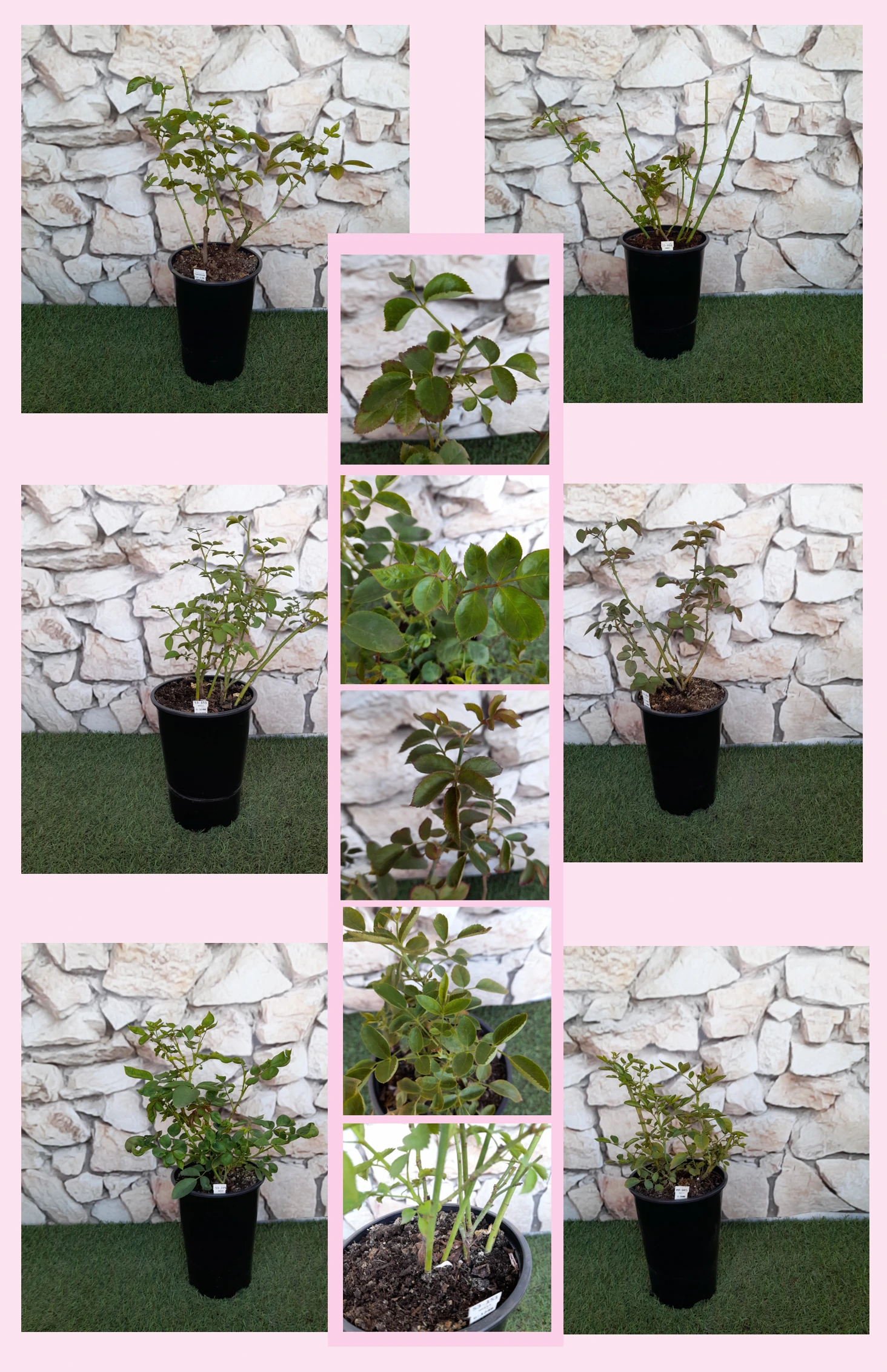
Climbing growth 170–260 cm high, 70–110 cm spread; dense, dark green, glossy foliage with moderate prickles; requires support and training for best wall, arch or pergola coverage. |
| Flower morphology |
Double, ball to pompon-shaped blooms, 7–10 cm across, bearing 26–39 petals; usually produced singly on the stem; remontant, with an abundant second flush in suitable conditions. |
| Colour data and phenology |
Pale, soft pink petals with warm undertone; mid-pink in bud, lightening gradually as blooms mature; pastel centre sheen; colour holds reasonably well but gently fades in strong sun. |
| Fragrance and aroma |
Medium-strength, clearly noticeable scent with a fresh, fruity character; best appreciated on still, mild days and where stems are trained close to paths, doors or seating areas. |
| Hip characteristics |
Hip set generally low due to double flowers; when present, produces small spherical red hips, about 10–14 mm across, adding discreet seasonal interest in late season. |
| Resistance and winter hardiness |
Hardy to approximately −21 to −18 °C (H7, USDA zone 6b); foliage dense but prone to powdery mildew and rust, with moderate black spot; benefits from good air flow and preventive care. |
| Horticultural recommendations |
Best in full sun with fertile, well-drained soil; allow space for height and spread; recommended spacing 70–130 cm depending on use; own-root form favours longevity and easier renewal pruning. |
PARC DE LA BELLE rewards you with romantic pink blooms, fresh fruity fragrance and repeat flowering on a long-lived own-root climber, making it a thoughtful choice for small Irish gardens and cottage-style entrances.