PAPRIKA™ – red bedding floribunda rose – Tantau
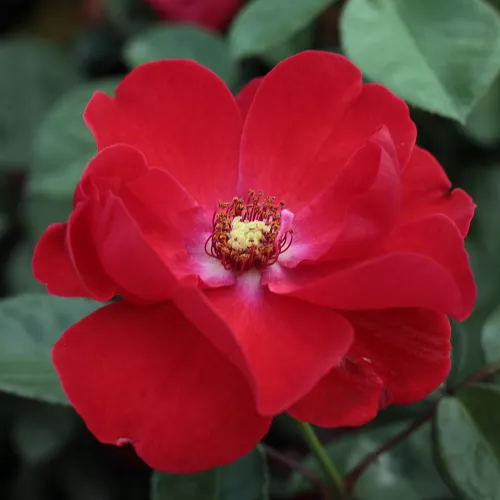
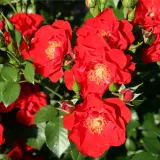
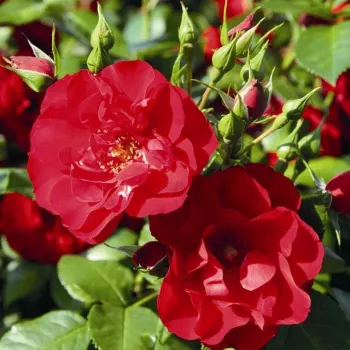
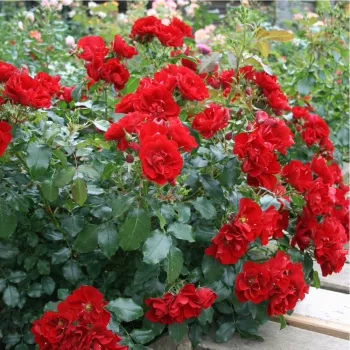
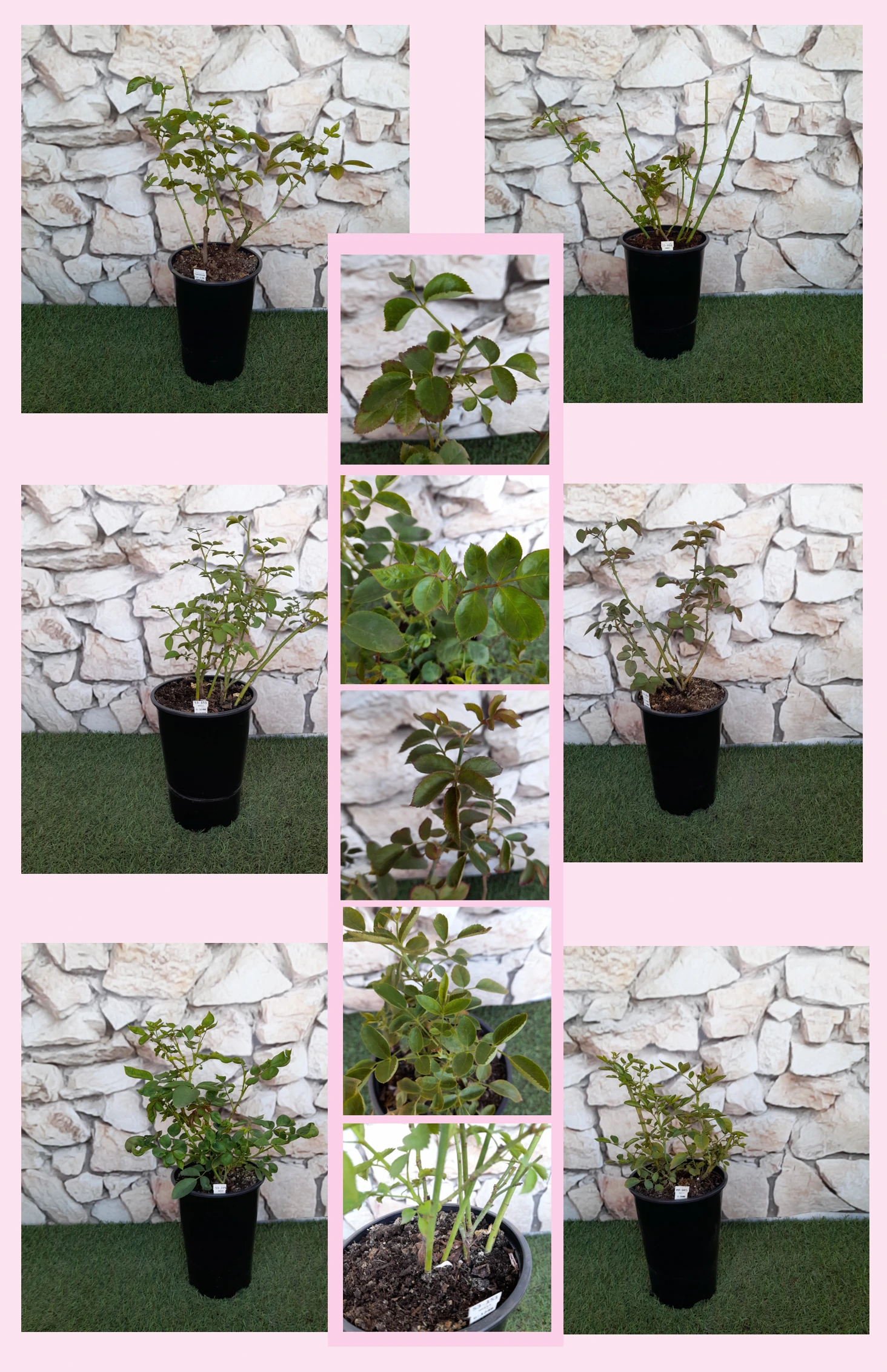
If you dream of a small Irish garden glowing with cheerful colour yet staying calm and easy to manage, PAPRIKA™ is a friendly choice. Its single, vivid paprika-red flowers appear in generous clusters, creating a light, airy look that suits any cottage path or terrace front. Bred for dependable flowering, it repeats in flushes from early summer well into autumn, offering welcome colour even when the days start shortening. The exposed stamens and open blooms delight bees, a simple way to support pollinators close to home. On its own roots it settles in steadily, promising a long, reliable life with modest pruning and no graft worries. Over time, you can expect a natural rhythm – first it builds roots, then it pushes stronger shoots, and by the third year it reaches its full ornamental presence, calmly withstanding breezy, rainy spells and the kind of humid summers that often challenge roses. Its bushy, compact habit gives neat hedges or snug flowerbeds, while glossy dark foliage and warm, spicy-fragrant blooms bring a feeling of soft contentment every time you step outside.
Usage options
| Target area |
Reasoning |
| Front garden flowerbed in a Dublin terrace street |
Compact, bushy growth (around 85–115 cm) keeps a small front garden tidy while the vivid paprika-red clusters read clearly from the pavement. Repeat flowering gives colour from early summer into autumn with simple annual pruning, suiting busy householders. |
| Low, informal hedge along a cottage path |
Planted at about 50 cm, PAPRIKA™ forms a softly linked line of airy red blooms and dark, glossy foliage. As an own-root rose it knits together steadily over the years without rootstock suckers to manage, ideal for a relaxed boundary for beginner gardeners. |
| Small mixed border in a family back garden |
The floribunda clusters mix easily with perennials, and repeat flowering ensures gaps are quickly filled after rain or deadheading. Own-root resilience means if stems are damaged by play or weather, new shoots will regenerate well, reassuring families with children. |
| Bee-friendly corner near a patio seat |
Single, cup-shaped flowers with accessible stamens are attractive to bees and other pollinators, and the mild, spicy fragrance adds a gentle sensory layer without overwhelming a small space. A simple, rewarding choice for nature-minded balcony and patio owners. |
| Urban planting bed with variable Irish summer weather |
Moderate disease resistance and sturdy German breeding help it cope with showery, changeable summers; good air movement and drainage support its health. It repeats well even when summers are short and unsettled, giving reliable colour for city-based gardeners. |
| Feature planting in a large container (40–50 litres) |
A generous pot with good drainage allows the own-root system to develop fully, giving a long-lived patio rose that can be moved as needed. Regular feeding and watering are straightforward tasks, fitting the schedule of time-pressed beginners. |
| Colour accent in parks or shared green spaces |
Good repeat flowering and tidy, bushy growth make PAPRIKA™ suitable for small groups in communal beds. In Irish conditions, once established in free-draining soil it weathers showery days and breezy, humid spells without fuss, suiting community-focused residents. |
| Edging a driveway or parking bay |
At around 50–75 cm spread, it gives a defined, colourful edge without overwhelming the space or drivers’ visibility. The own-root habit supports a long service life, with simple yearly cutting-back enough to keep it in order for practical homeowners. |
Styling ideas
- Cottage Ribbon – run PAPRIKA™ in a loose ribbon beside a gravel path, underplanting with baby’s breath for a frothy white veil – ideal for romantic cottage-garden lovers
- Terrace Welcome – plant a short row by a front gate, with low herbs like thyme and chives for scent and easy maintenance – perfect for busy city homeowners
- Spicy Spotlight – place one plant in a 50-litre pot by the back door, adding trailing ivy and seasonal bedding for changing colour – suited to renters and balcony gardeners
- Warm Meadow – group three plants with coneflowers and ornamental grasses for a pollinator-friendly, naturalistic border – appealing to wildlife-focused families
- Red Hedgelet – clip a low, informal hedge along a driveway, softening hard edges while staying neat year-round – useful for practical, low-fuss garden planners
Technical cultivar profile
| Characteristic |
Data |
| Name and registration |
Floribunda bedding rose; registered as TANprik, marketed as Paprika™ flowerbed rose TANprik, exhibition name Paprika; part of the flowerbed rose collection for garden and landscape use. |
| Origin and breeding |
Bred by Mathias Tantau Jr. in Germany (1956) from ‘Märchenland’ × ‘Red Favorite’; introduced 1958 via Grandes Roseraies du Val de Loire, reflecting classic mid‑twentieth‑century European floribunda breeding. |
| Awards and recognition |
Highly decorated classic: Geneva Gold Medal 1956; RNRS Merit Certificate 1957; RNRS Gold Medal 1959; The Hague Gold Medal 1961 and Golden Rose 1963, confirming long-term ornamental merit. |
| Growth and structural characteristics |
Bushy shrub reaching about 85–115 cm in height with 50–75 cm spread; moderately thorny, dense, glossy dark green foliage; forms tidy masses for bedding, low hedges, edging and smaller-scale landscape schemes. |
| Flower morphology |
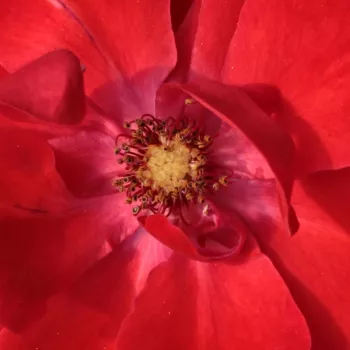
Single, cup-shaped, small blooms (1–4 cm), 5–12 petals, produced in clusters; remontant with notably abundant second flush; well-suited to mass effect and continuous seasonal flower interest. |
| Colour data and phenology |
Vivid paprika-red with slight orange tint; buds deep red with orange undertone; colour holds moderately well in sun; overall effect a uniform mid-red with slightly darker centre, providing strong visual impact in beds. |
| Fragrance and aroma |
Delicate, mildly spicy fragrance; not overpowering, suited to seating areas and entrances; scent noticeable at close range on still days, complementing the warm paprika-red colouring for a gentle sensory experience. |
| Hip characteristics |
Hip set usually minimal; where present, small spherical orange-red hips around 6–10 mm in diameter may develop, adding subtle late-season interest without significant self-seeding concerns. |
| Resistance and winter hardiness |
Hardy to around −21 to −18 °C (USDA 6b, RHS H7, Swedish Zone 3); moderate resistance to black spot, rust and powdery mildew; prefers full sun, regular watering in dry spells and good air circulation. |
| Horticultural recommendations |
Best in sunny, well-drained soil; allow 50–60 cm spacing for hedges and bedding; improve heavy clay with grit and organic matter; mulch annually; moderate maintenance with occasional plant protection as needed. |
PAPRIKA™ offers long-season colour, pollinator-friendly single blooms and resilient own-root growth that will reward you for years with modest care, making it a thoughtful choice for your next garden planting.