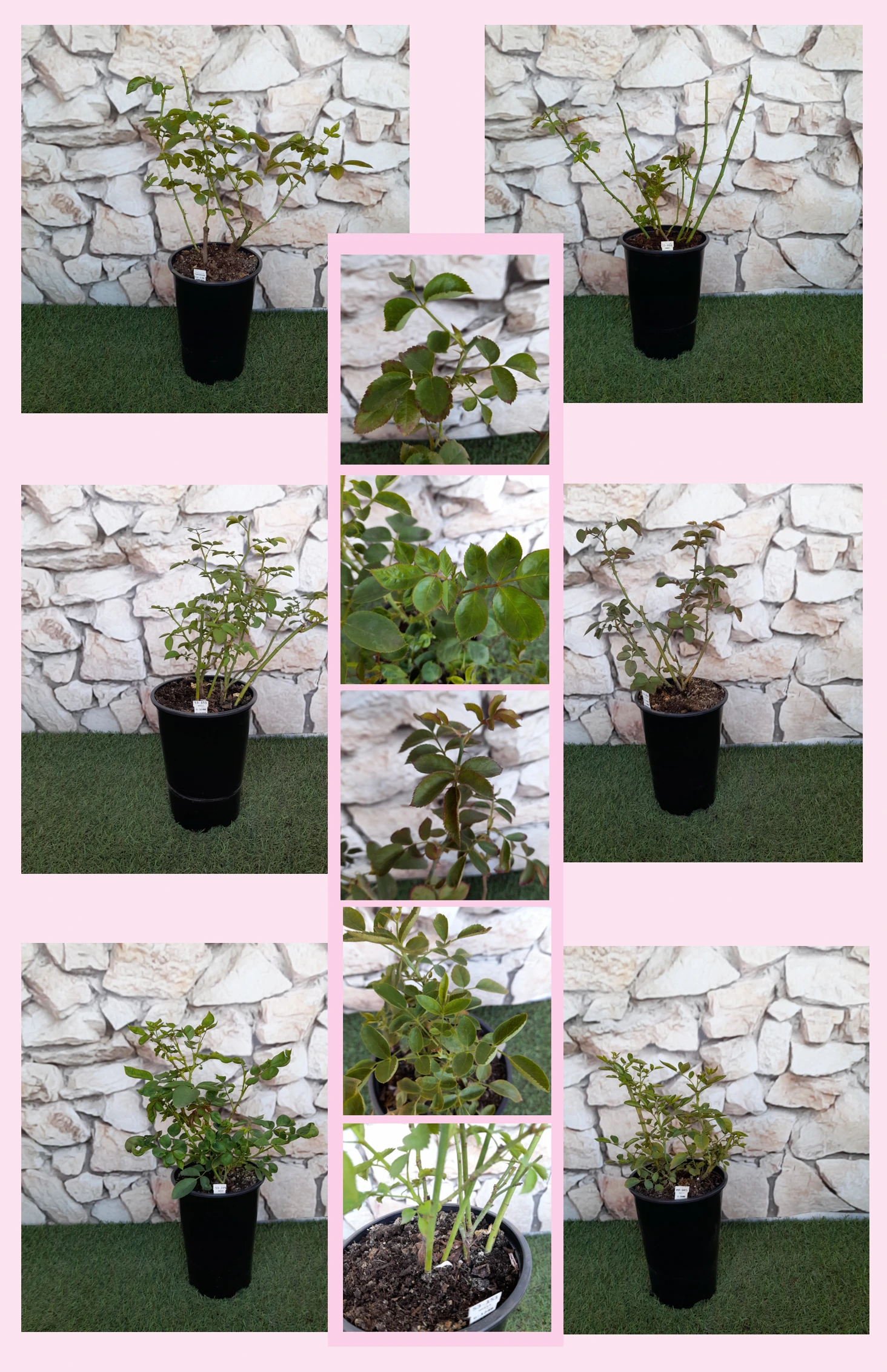
PAPAGENO™ – red-and-white bedding floribunda rose – McGredy
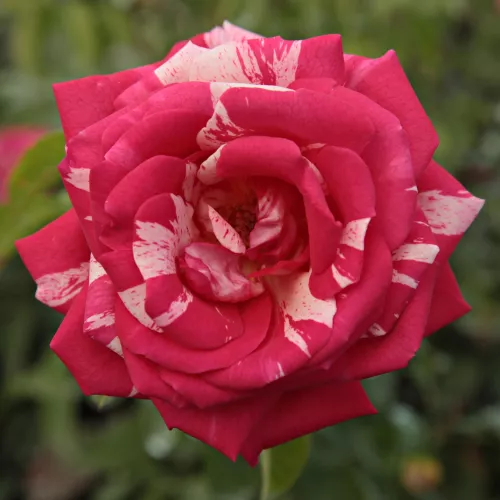
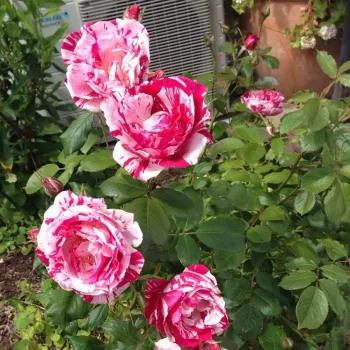
If You enjoy a touch of theatre in the garden, PAPAGENO™ brings painterly colour to small Irish cottage borders and tidy city front plots with its raspberry-red and cream-striped blooms, each cluster offering an ever-changing pattern from bud to fading flower. Bred as a floribunda, it flowers steadily through the season, shrugging off frequent showers and cool breezes while coping well with our rainfall and damp spells that can challenge other roses. Mild, pleasant fragrance and open, bee-friendly centres add quiet charm near paths and windows, while medium maintenance needs stay comfortably within reach of a busy beginner gardener. As an own-root plant it builds a strong base, living longer, bouncing back after setbacks and keeping its shape without complicated care, so You can simply enjoy more roses, more often. Planted in well-drained soil and mulched, it settles in gently – roots in year one, more confident shoots in year two, then full garden impact by year three for relaxed, lasting pleasure.
Usage options
| Target area |
Reasoning |
| Front garden statement bed |
Bold red-and-cream striping reads clearly from the pavement, turning even a narrow Dublin front patch into a talking point. Use the recommended spacing for a low, flowing hedge that flowers repeatedly all season for a colour-loving homeowner. |
| Mixed cottage border |
Clustered, medium-large blooms sit above bushy, mid-green foliage, threading streaks of painterly colour among perennials and herbs without overwhelming them, ideal for relaxed, storybook cottage schemes suiting the imaginative gardener. |
| Pollinator-friendly family plot |
Despite the double form, the stamens are accessible, so bees still visit frequently; combine with salvia or coreopsis for a lively, insect-friendly corner that children can watch through summer, appealing to the nature-aware parent. |
| Season-long colour focus |
Remontant flowering with a particularly strong second flush keeps the bed bright well beyond the short Irish summer peak, ensuring there is nearly always something showy in bloom for the time-pressed beginner. |
| Irish climate family border |
Medium disease resistance with good black-spot tolerance and reliable performance in our cool, damp spells means less spraying and fewer losses, simply sensible planting for the practicality-minded owner. |
| Large patio container (40–50 L+) |
In a generously sized, well-drained pot of at least 40–50 litres, roots establish deeply and the upright, bushy habit makes a tidy focal point near a door or seating area, convenient for the balcony or terrace gardener. |
| Own-root, long-lived specimen |
The own-root form builds strength slowly but surely, regenerating well after pruning or weather damage and keeping a consistent look year after year, so the original plant can mature gracefully for the value-conscious buyer. |
| Wind- and rain-exposed beds |
Flowers cope well with changeable Atlantic breezes and regular showers, especially when given good drainage and mulch, staying eye-catching rather than bedraggled through our often blustery wet weather for the coastal-garden resident. |
Styling ideas
- COTTAGE STRIPE – Plant in drifts with lavender and catmint to echo the red-and-cream blooms with soft blues and greys, perfect for a relaxed cottage frontage – ideal for romantic-border gardeners
- PAINTER’S BED – Combine with Salvia nemorosa and thread-leaf coreopsis for a painterly mix of red, cream, purple and yellow – best for creative colour enthusiasts
- FRONT-DOOR FOCUS – One or two plants in large terracotta containers frame a doorway with cheerful striping and light fragrance – suited to busy urban homeowners
- FAMILY BEE CORNER – Mix with bee-friendly herbs and a small insect hotel to create a child-friendly wildlife nook – great for nature-curious families
- MOZART BORDER – Line a short path with evenly spaced plants for a rhythmic, theatrical display worthy of an opera namesake – appealing to culture-loving gardeners
Technical cultivar profile
| Parameter |
Data |
| Name and registration |
Floribunda bedding rose, registered as MACgoofy, marketed as PAPAGENO™ in the Hand-painted roses collection; group: exhibition hybrid tea and bedding floribunda for garden and show use. |
| Origin and breeding |
Bred by Samuel Darragh McGredy IV from ‘Freude’ × ‘Donald Duck’; introduced internationally from 1989 via McGredy Roses International and partners, representing late twentieth-century novelty bicolour breeding. |
| Growth and structural characteristics |
Upright, bushy shrub reaching about 100–140 cm high and 75–105 cm wide, with moderately dense, slightly glossy mid-green foliage and moderate prickliness, forming a substantial bedding or specimen plant. |
| Flower morphology |
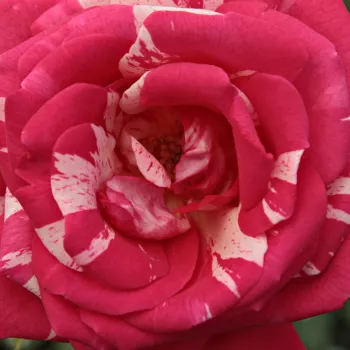
Double, cup-shaped blooms with 26–39 petals, usually borne in clusters; large flowers 7–10 cm across, repeating well with a notably strong second flush under suitable conditions, especially in sunny positions. |
| Colour data and phenology |
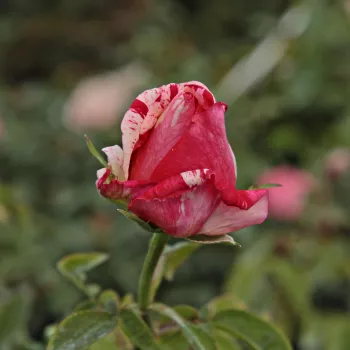
Bright raspberry-red ground with irregular cream-white striping and speckling; buds deep crimson with pale streaks, ageing to lighter rose-pink while white areas remain contrasting; colour softens more in strong sunlight. |
| Fragrance and aroma |
Fragrance is mild but pleasant, with a harmonious, classic rose character that is noticeable at close range without overwhelming nearby seating areas, making it suitable for entrances and smaller urban gardens. |
| Hip characteristics |
Produces moderate numbers of small, spherical hips around 12–18 mm across, maturing to an attractive orange-red shade, adding discreet late-season interest if spent flowers are not removed for rebloom. |
| Resistance and winter hardiness |
Hardy to around −15 to −12 °C (RHS H6, Swedish Zone 2, USDA 7b); disease resistance generally medium, with good black-spot resistance but some susceptibility to powdery mildew and rust in high pressure years. |
| Horticultural recommendations |
Best in full sun with free-draining soil; water during prolonged dry spells and deadhead for tidiness and repeat bloom; space 55–100 cm depending on use, and apply mulch on heavier Irish clays to improve drainage. |
PAPAGENO™ offers striking hand-painted blooms, generous repeat flowering and pollinator appeal on a durable own-root plant that will settle in for years of reliable colour, making it a thoughtful choice for your next garden addition.